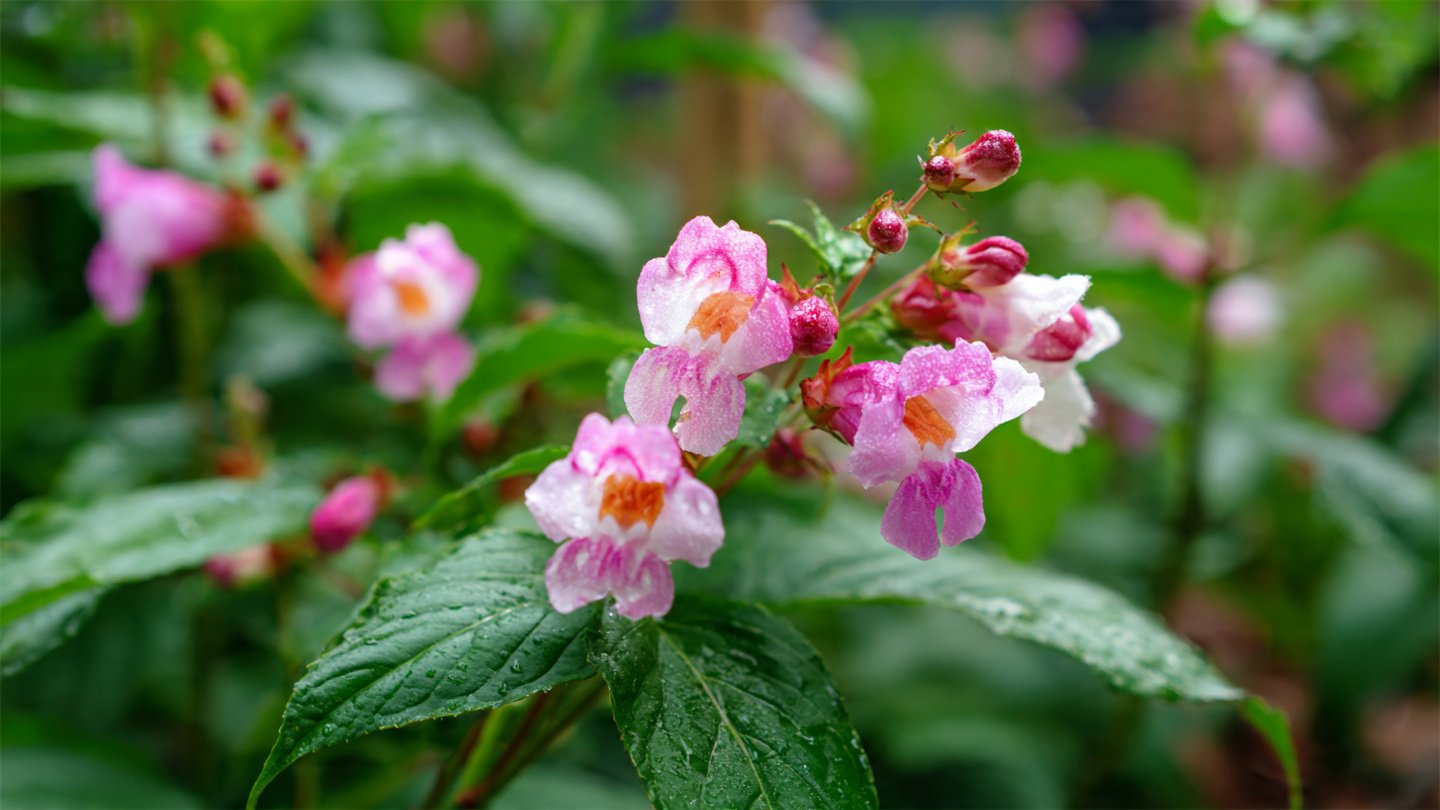
Balsam, also known as Impatiens balsamina, is a beautiful flowering plant cherished for its vibrant blooms and ease of cultivation. Among its varieties, the double-flowered balsam stands out for its lush, layered petals and rich colors, making it a favorite in home gardens, balconies, and indoor containers. Growing balsam double flower at home is not only rewarding but also surprisingly simple if you follow the right steps.
This guide will walk you through everything you need to know—from selecting seeds to planting, care, and harvesting—to ensure your balsam plants thrive and produce stunning double flowers throughout the season.
Why Choose Balsam Double Flower?
The double-flowered balsam variety offers several advantages for home gardeners:
- Vibrant Blooms: Its flowers display a rich range of colors, including pink, red, white, purple, and mixed shades, creating eye-catching displays.
- Compact Growth: Suitable for pots, window boxes, and small garden beds.
- Continuous Flowering: With proper care, balsam blooms from mid-summer to early autumn.
- Low Maintenance: This hardy plant is relatively easy to grow, requiring minimal effort while producing abundant flowers.
By cultivating double-flowered balsam, gardeners can enjoy a burst of color in their homes and outdoor spaces with minimal stress.
Step 1: Selecting Quality Seeds
The foundation of successful balsam growth starts with high-quality seeds:
- Choose certified seeds: Ensure they are disease-free and viable.
- Double-flowered variety: Look for labels specifying “double” or “full” flowers. These produce layered petals rather than single blooms.
- Freshness matters: Seeds older than one year may have reduced germination rates.
Tip: Purchase seeds from reputable nurseries or garden centers to ensure authenticity and high germination success.
Step 2: Choosing the Right Container
Balsam double flower grows well in pots, making it ideal for home gardening:
- Size: A container 8–12 inches deep is sufficient for a single plant. Wider pots allow multiple plants to grow without overcrowding.
- Material: Terracotta, plastic, or ceramic pots all work. Terracotta is breathable but dries quickly, while plastic retains moisture longer.
- Drainage: Ensure the pot has multiple drainage holes. Balsam does not tolerate waterlogged soil, which can lead to root rot.
Tip: Using a saucer under the pot helps catch excess water and prevents damage to indoor surfaces.
Step 3: Preparing the Soil
Balsam thrives in fertile, well-draining soil:
- Mix recommendation:
- 50% garden soil or potting mix
- 25% organic compost
- 25% sand or perlite for drainage
- Soil pH: Slightly acidic to neutral (6.0–7.0) is ideal.
- Aeration: Loose soil allows roots to expand and supports healthy growth.
Tip: Enriching soil with compost not only provides nutrients but also improves water retention without causing waterlogging.
Step 4: Sowing Seeds
Balsam seeds are tiny, so careful sowing is essential:
- Fill the container: Use the prepared soil mix, leaving 1 inch from the top.
- Scatter seeds evenly: Place them lightly on the soil surface; avoid burying them too deep.
- Lightly cover: Sprinkle a thin layer of soil or vermiculite over seeds.
- Water gently: Use a spray bottle to avoid washing away seeds.
- Provide warmth and moisture: Keep the container in a warm area with indirect sunlight. Covering with a plastic wrap or transparent lid can help retain moisture.
Germination: Seeds typically sprout in 7–14 days. Ensure the soil remains moist during this period but not soggy.
Step 5: Providing Proper Light
Balsam double flower requires bright, indirect sunlight:
- Indoors: Place near a south-facing window or under a grow light for 6–8 hours daily.
- Outdoors: Partial shade is ideal. Morning sunlight and afternoon shade prevent scorching.
- Adjust exposure: Too much direct sunlight can burn leaves, while too little light reduces flowering.
Proper light exposure encourages strong stems, healthy leaves, and abundant blooms.
Step 6: Watering Your Balsam Plant
Watering is key to successful balsam cultivation:
- Consistent moisture: Keep the soil evenly moist, especially during flowering.
- Avoid waterlogging: Overwatering can lead to root rot and fungal diseases. Ensure good drainage in pots.
- Morning watering: Water early in the day to allow leaves to dry, reducing the risk of fungal infections.
Tip: A small watering can or spray bottle helps control the amount of water and prevent splashing soil onto leaves.
Step 7: Fertilization for Vibrant Blooms
Balsam double flower responds well to balanced nutrition:
- Organic fertilizer: Apply compost or well-rotted manure every 3–4 weeks.
- Liquid fertilizer: Use diluted liquid fertilizer high in phosphorus to promote blooming.
- Avoid excessive nitrogen: Too much nitrogen encourages leafy growth at the expense of flowers.
Consistent feeding ensures lush foliage and continuous vibrant blooms throughout the season.
Step 8: Pruning and Pinching
Pruning encourages bushier growth and prevents leggy plants:
- Pinch tips: Remove the top 1–2 inches of growth when seedlings have 4–6 leaves.
- Remove faded blooms: Deadhead spent flowers to encourage new buds.
- Trim overgrown stems: Maintain shape and airflow between branches.
Proper pruning results in compact, healthy plants with abundant flowers.
Step 9: Pest and Disease Management
While balsam is generally hardy, it can occasionally face problems:
- Aphids and whiteflies: Spray with a mild solution of soap and water or neem oil.
- Fungal infections: Avoid overhead watering and maintain proper airflow. Powdery mildew can occur in humid conditions.
- Root rot: Prevent by ensuring well-draining soil and proper watering techniques.
Regular inspection of leaves, stems, and soil helps catch issues early, ensuring plant health.
Step 10: Supporting Growth
Balsam double flower has a bushy, upright habit:
- Staking (optional): If plants grow tall or heavy with blooms, use a small stake to prevent stems from bending.
- Spacing: If planting multiple balsam plants in one pot, allow 6–8 inches between stems. Crowding reduces airflow and increases disease risk.
Supporting the plant ensures strong stems and optimal flower display.
Step 11: Harvesting and Using Balsam Flowers
Balsam flowers are not just ornamental; they can also be used for decorative and medicinal purposes:
- Pick flowers carefully: Use scissors or gently twist off fully opened blooms.
- Deadhead regularly: Removing spent flowers encourages new growth.
- Use in decoration or DIY projects: Fresh flowers brighten indoor spaces; petals can be added to floral arrangements or potpourri.
Harvesting properly maintains continuous flowering and keeps the plant healthy.
Additional Tips for Successful Balsam Cultivation
- Succession planting: Sow seeds every 3–4 weeks for a continuous supply of blooms.
- Temperature: Balsam prefers 60–80°F (16–27°C). Protect from frost.
- Container rotation: Turn pots occasionally to ensure even light exposure on all sides.
- Mulching: A thin layer of organic mulch helps retain soil moisture and regulate temperature.
- Indoor care: If grown indoors, ensure proper ventilation to prevent fungal diseases.
By following these tips, your balsam double flower plants will thrive, producing vibrant, long-lasting blooms all season.
Conclusion
Growing balsam double flower at home is a rewarding experience that adds color, charm, and fragrance to your living space. By following these easy steps, you can cultivate healthy, vibrant plants that produce abundant blooms with minimal effort.
To summarize the key steps:
- Select high-quality double-flowered seeds.
- Choose well-draining containers with proper depth.
- Prepare fertile, loose soil enriched with compost.
- Sow seeds carefully and maintain consistent moisture.
- Provide bright, indirect sunlight for optimal growth.
- Fertilize moderately, focusing on phosphorus for blooms.
- Prune and deadhead to encourage bushier growth.
- Monitor for pests and diseases, preventing root rot and fungal issues.
- Harvest flowers regularly to maintain continuous flowering.
With patience, attention, and a little care, your balsam double flower plants will reward you with long-lasting, spectacular blooms that brighten any garden, balcony, or indoor space.
Growing balsam at home is not only simple and satisfying, but it also gives gardeners the joy of nurturing a plant from seed to vibrant flowering, enjoying the beauty and fragrance every step of the way. Start your balsam double flower journey today, and transform your home garden into a vivid floral haven.