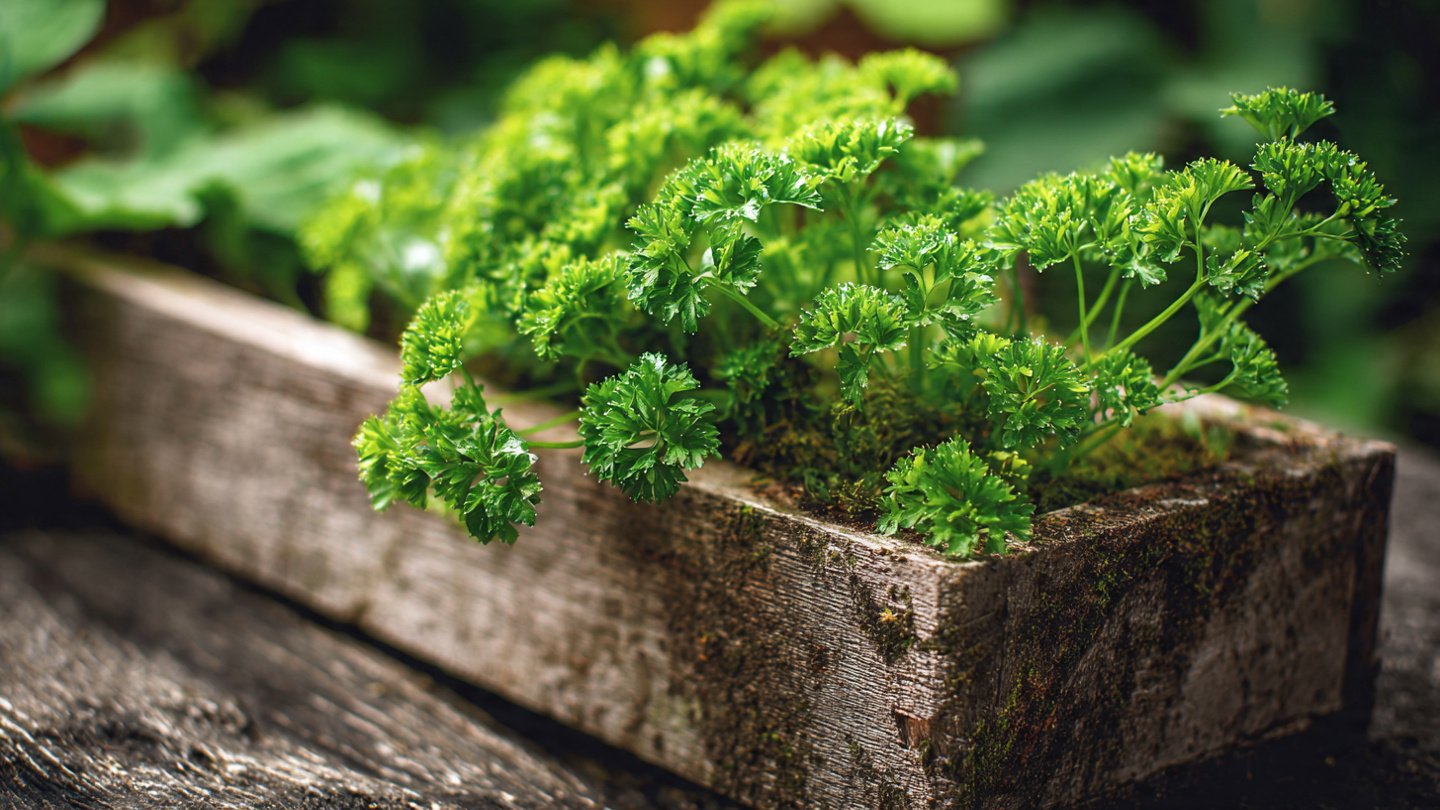
Parsley is one of the most versatile and widely used herbs in the culinary world. Its fresh, aromatic leaves elevate the flavor of soups, salads, sauces, and countless dishes. While parsley is readily available at grocery stores, growing it in your own garden ensures a steady supply of fresh, flavorful leaves while giving you the satisfaction of cultivating your own herbs. Parsley, however, is known for slow and sometimes unpredictable germination. With the right techniques and care, even beginner gardeners can successfully germinate parsley seeds and enjoy a thriving herb garden. This guide provides easy, step-by-step instructions to make parsley cultivation straightforward and enjoyable.
Why Grow Parsley from Seeds?
Growing parsley from seeds, rather than buying transplants, offers several advantages:
- Cost-Effective: A single packet of parsley seeds can yield a large harvest for a long time.
- Variety Selection: Growing from seed allows you to choose from different parsley types, such as curly-leaf, flat-leaf (Italian), or dwarf varieties.
- Extended Harvest: Homegrown parsley can be continuously harvested for months, especially with successive sowing.
- Fresher Flavor: Freshly picked parsley is more aromatic and flavorful than store-bought alternatives.
- Satisfaction and Learning: Starting from seed gives beginners a rewarding gardening experience and a deeper understanding of plant growth.
Choosing the Right Parsley Seeds
Selecting high-quality seeds is critical for successful germination:
- Fresh Seeds: Purchase seeds from a reputable supplier to ensure high germination rates.
- Variety: Curly parsley is decorative and commonly used as a garnish, while flat-leaf parsley has a stronger flavor suitable for cooking.
- Seed Age: Parsley seeds older than a year may have reduced germination. For best results, use seeds within 12 months of purchase.
Preparing the Soil for Germination
Parsley seeds prefer rich, well-draining soil that retains moisture but doesn’t become waterlogged:
- Soil Type: Loamy soil mixed with compost or well-rotted manure provides essential nutrients.
- pH Level: Slightly acidic to neutral soil (pH 6.0–7.0) promotes optimal growth.
- Moisture: Keep the soil consistently damp before and during germination to prevent seeds from drying out.
A well-prepared soil bed sets the foundation for healthy seed sprouting and long-term plant growth.
Pre-Soaking Parsley Seeds
Parsley seeds are known for slow germination, sometimes taking 2–4 weeks to sprout. Pre-soaking seeds can speed up this process:
- Step 1: Place seeds in a small bowl of lukewarm water for 24 hours.
- Step 2: Drain the seeds and plant them immediately in prepared soil.
Pre-soaking softens the seed coat, allowing moisture to penetrate and initiate germination. This simple step can improve germination rates and reduce waiting time.
Planting Parsley Seeds
Parsley seeds require gentle handling and proper spacing for healthy germination:
- Depth: Sow seeds about ¼ inch deep in the soil.
- Spacing: Space seeds 6–8 inches apart to give seedlings enough room to grow.
- Rows: If planting in rows, keep about 12 inches between rows for easy access and airflow.
- Covering: Lightly cover seeds with a thin layer of soil or compost and gently pat to ensure seed-to-soil contact.
Avoid planting too deeply, as this can prevent seeds from emerging, and overcrowding can hinder airflow and lead to fungal problems.
Watering and Moisture Management
Moisture is critical for parsley seed germination:
- Initial Watering: Water lightly but thoroughly immediately after sowing to settle the soil around the seeds.
- Consistent Moisture: Keep soil consistently damp until seeds sprout. Use a spray bottle or fine misting to avoid displacing seeds.
- Avoid Overwatering: Waterlogged soil can cause seeds to rot, so ensure proper drainage.
Parsley prefers evenly moist soil, which encourages strong root development and healthy seedlings.
Providing the Right Temperature and Light
Parsley seeds germinate best under specific temperature and light conditions:
- Temperature: Optimal soil temperature for germination is 18–24°C (65–75°F). Cooler temperatures may slow germination, while excessively hot soil can damage seeds.
- Light Exposure: Parsley seeds do not require light to germinate but seedlings need 4–6 hours of sunlight per day once they emerge. For indoor germination, place seedlings near a sunny windowsill or use a grow light.
Maintaining the right environment ensures faster sprouting and healthy initial growth.
Thinning Seedlings
Once parsley seedlings develop 2–3 sets of true leaves, thinning becomes essential:
- Method: Gently snip or pull weaker seedlings, leaving the strongest ones spaced 6–8 inches apart.
- Purpose: Thinning reduces competition for nutrients, light, and water, ensuring each plant develops into a healthy, productive herb.
Proper thinning also improves airflow between plants, reducing the risk of disease.
Fertilizing Young Parsley Plants
Parsley is a nutrient-loving herb and benefits from light fertilization once seedlings are established:
- Type: Use a balanced, water-soluble fertilizer (10-10-10) or an organic alternative like compost tea.
- Frequency: Feed every 3–4 weeks to encourage healthy leaf growth.
- Application: Avoid over-fertilizing, which can lead to excessive foliage but weak flavor.
Nutrient-rich soil helps young parsley plants grow robustly, producing flavorful leaves for months.
Harvesting Parsley Leaves
Parsley can be harvested continuously once plants are established:
- Timing: Begin harvesting when plants reach 6–8 inches tall.
- Method: Cut outer leaves first, leaving inner growth intact to encourage new leaf production.
- Frequency: Harvest regularly to promote bushy growth and prevent flowering, which can make leaves bitter.
Regular harvesting not only provides fresh herbs but also stimulates the plant to produce more leaves over time.
Tips for Extended Harvest and Healthy Plants
To keep parsley productive for longer periods:
- Succession Planting: Sow new seeds every 4–6 weeks to maintain a continuous supply of fresh leaves.
- Sunlight: Ensure plants receive at least 4–6 hours of sunlight daily. If indoors, supplement with artificial lighting.
- Mulching: Apply a thin layer of mulch around the base of plants to retain moisture and regulate soil temperature.
- Pest Management: Watch for aphids, slugs, and caterpillars. Use organic insecticidal sprays or natural deterrents when needed.
- Pruning Flower Stalks: Remove flower stalks promptly to encourage leafy growth and prevent bitterness.
Following these tips ensures a long-lasting, productive parsley garden.
Common Problems and Solutions
Even beginner gardeners can face challenges with parsley:
- Slow Germination: Pre-soak seeds or maintain consistent soil moisture and warmth.
- Leggy Seedlings: Ensure seedlings receive sufficient light to prevent stretching.
- Yellow Leaves: May indicate nutrient deficiency or overwatering. Adjust fertilization and watering routines.
- Pests: Regularly inspect plants and use organic controls to protect young seedlings.
Most issues are easy to manage with attentive care, patience, and proper gardening practices.
Benefits of Homegrown Parsley
Growing parsley from seeds in your garden is not only satisfying but also offers multiple benefits:
- Flavor and Aroma: Freshly harvested parsley is more vibrant and aromatic than store-bought varieties.
- Cost Savings: Produces months of fresh herbs from a single packet of seeds.
- Health Benefits: Parsley is rich in antioxidants, vitamins, and minerals that promote overall well-being.
- Sustainable Gardening: Reduces reliance on packaged herbs and supports eco-friendly gardening practices.
- Culinary Versatility: Use in salads, soups, sauces, garnishes, and more for a fresh, herbal touch.
By growing your own parsley, you gain a sustainable, flavorful, and healthy addition to your kitchen garden.
Conclusion
Germinating parsley seeds in your garden is easy, rewarding, and beginner-friendly when following the right steps. From selecting quality seeds, preparing soil, and pre-soaking to proper planting, watering, and sunlight management, every step contributes to successful germination and strong plant growth.
Once established, parsley provides a continuous supply of fresh, aromatic leaves for culinary use while enhancing your gardening experience. Regular harvesting, fertilization, and pest management ensure healthy, productive plants that can thrive for months or even years.
By following these simple steps, anyone can enjoy the satisfaction of cultivating parsley from seed—turning your garden into a thriving source of fresh herbs that elevate your cooking and inspire your love for gardening.