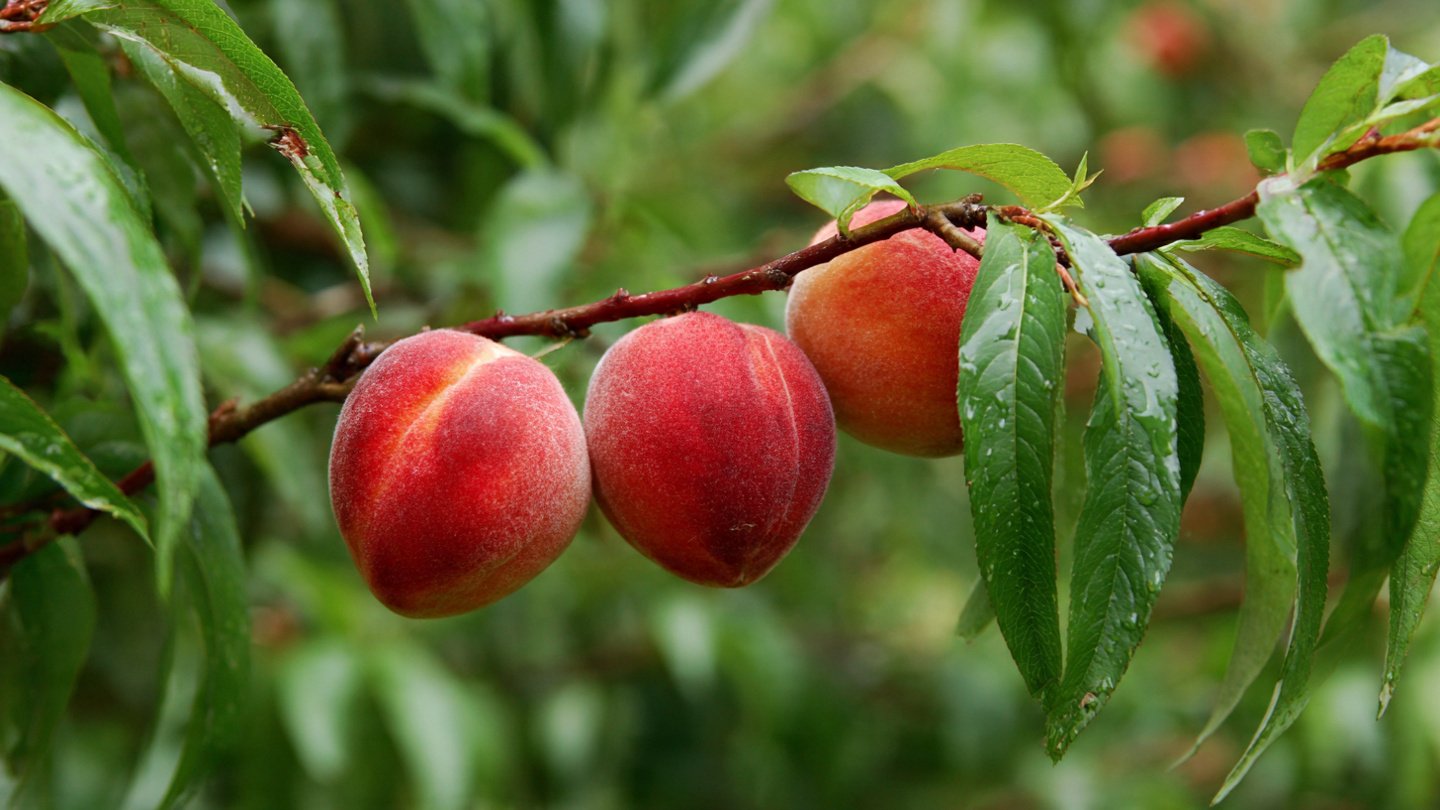
Peaches (Prunus persica) are beloved for their sweet, juicy flesh and fragrant aroma. Growing them from seed can be a deeply rewarding experience, especially for beginners who want to explore gardening beyond traditional methods. While peaches are typically associated with warmer climates, with the right techniques, it’s entirely possible to grow peach trees from seed even in colder regions. Cold-climate gardeners can enjoy the satisfaction of nurturing a tree from seed to fruit-bearing maturity, providing fresh, homegrown peaches for years to come.
This guide walks beginners through easy, step-by-step methods for successfully germinating peach seeds, caring for seedlings, and ensuring survival through harsh winters.
Why Grow Peaches from Seed in Cold Climates?
Growing peaches from seed offers several benefits:
- Cost-Effective – Seeds are inexpensive compared to purchasing young trees from nurseries.
- Satisfaction and Learning – Watching a tree grow from a seed is educational and rewarding.
- Genetic Diversity – Seed-grown trees may produce unique flavors and fruit characteristics.
- Resilience – Trees raised in your climate adapt naturally over time.
While peach trees grown from seed take longer to fruit (typically 3–5 years), proper care increases the likelihood of survival and productivity, even in cold climates.
Selecting and Preparing Peach Seeds
Successful peach cultivation begins with selecting viable seeds.
Step 1: Choosing the Right Fruit
- Select fully ripe peaches from a local source or a tree suitable for cold climates.
- Avoid bruised or diseased fruits, as damaged seeds may fail to germinate.
Step 2: Extracting the Seed
- Remove the pit from the fruit flesh.
- Wash thoroughly to remove all pulp, which can attract mold during germination.
Step 3: Drying and Storing
- Allow the cleaned seed to air-dry for a few days at room temperature.
- Do not let the seed dry out completely; it should remain slightly moist.
Step 4: Stratification (Cold Treatment)
Cold climates require stratification to mimic winter conditions and break seed dormancy:
- Wrap the seed in a damp paper towel or sphagnum moss.
- Place it in a sealed plastic bag.
- Store the bag in the refrigerator (not freezer) at 1–5°C (34–41°F) for 8–12 weeks.
Stratification simulates the natural winter chill and prepares the seed to sprout in spring.
Germinating Peach Seeds Indoors
Starting seeds indoors ensures protection from frost and harsh outdoor conditions.
Step 1: Prepare Seedling Containers
- Use small pots or seed trays with drainage holes.
- Fill with a well-draining mix: equal parts garden soil, sand, and compost.
Step 2: Planting Seeds
- Plant the stratified seed 1–2 inches deep.
- Cover lightly with soil and water gently.
Step 3: Providing Optimal Conditions
- Keep the soil consistently moist but not waterlogged.
- Maintain temperatures around 20–25°C (68–77°F) for sprouting.
- Place the pots in a bright location with indirect sunlight or under grow lights.
Step 4: Germination Time
- Peach seeds typically germinate in 2–6 weeks.
- Look for a small root emerging first, followed by a shoot.
Caring for Peach Seedlings
Once seedlings sprout, proper care is essential for healthy growth:
- Sunlight – Gradually expose seedlings to more light to harden them before transplanting outdoors.
- Watering – Keep soil consistently moist but avoid waterlogging.
- Fertilization – Apply a diluted, balanced fertilizer once true leaves appear.
- Thinning – If multiple seeds sprout in one pot, select the strongest seedling and remove others.
Healthy seedlings form the foundation for a strong tree that can survive cold winters.
Transplanting Outdoors in Cold Climates
Timing and protection are crucial when moving seedlings outdoors.
Step 1: Choosing the Location
- Select a sunny spot with at least 6–8 hours of sunlight daily.
- Ensure soil is well-draining; peach trees do not tolerate waterlogged conditions.
- Avoid frost pockets, such as low areas where cold air settles.
Step 2: Preparing the Soil
- Enrich soil with compost or well-rotted manure.
- Loosen the soil to a depth of 12–18 inches to support root expansion.
Step 3: Transplanting Technique
- Plant seedlings at the same depth as they were in their pots.
- Water thoroughly to settle soil around roots.
- Mulch around the base with straw or organic matter to conserve moisture and regulate soil temperature.
Step 4: Winter Protection
- Young trees are vulnerable to frost. Protect them with frost cloths, straw, or temporary shelters.
- Consider planting near south-facing walls or structures that provide warmth and wind protection.
Pruning and Shaping Young Trees
Proper pruning ensures strong structure and encourages future fruiting:
- Remove Weak or Damaged Branches – Promotes healthy growth and airflow.
- Form Central Leader – Select a main vertical stem for balanced branching.
- Encourage Lateral Branches – Prune to promote a well-spaced framework for future fruit production.
Regular pruning reduces disease risk, supports healthy growth, and facilitates fruit harvest.
Fertilization for Maximum Growth
Peach trees require nutrients for vigorous growth and abundant fruiting:
- Early Growth – Apply a nitrogen-rich fertilizer during the first year to support leaf and stem development.
- Pre-Flowering – Use a balanced fertilizer (NPK 10:10:10) before flowering to boost blooms and fruit set.
- Post-Harvest – Apply potassium-rich fertilizer to strengthen roots and prepare the tree for winter.
Organic options such as compost, manure, and worm castings are excellent for maintaining soil health and long-term fertility.
Pest and Disease Management
Cold climates reduce the pressure of some pests, but vigilance is still necessary:
- Aphids and Scale – Use insecticidal soap or neem oil for control.
- Leaf Curl and Fungal Diseases – Ensure good air circulation and avoid overhead watering.
- Birds and Squirrels – Protect developing fruits with netting if necessary.
Preventive care and early intervention ensure healthy trees and higher fruit yield.
Flowering and Fruit Development
Peach trees grown from seed in cold climates may take 3–5 years to flower:
- Chill Hours – Cold winters provide the necessary chilling period to trigger flowering.
- Pollination – Most peach trees are self-pollinating, but cross-pollination can improve fruit set.
- Fruit Thinning – Remove excess young fruits to prevent branch breakage and improve remaining fruit size.
Patience is key; proper care during these early years determines the quality of the first harvest.
Tips for Success in Cold Climates
- Stratify Seeds Properly – Essential to break dormancy.
- Start Indoors – Protect seedlings from frost and cold winds.
- Use Mulch and Frost Covers – Protect young trees during harsh winters.
- Choose Hardy Varieties – Select cold-tolerant cultivars such as ‘Reliance’ or ‘Redhaven.’
- Monitor Watering – Avoid overwatering, especially during dormancy.
- Gradual Acclimatization – Harden off seedlings by gradually exposing them to outdoor conditions before permanent planting.
Following these tips increases the likelihood of successful growth and fruiting in cold climates.
Conclusion
Growing peaches from seed in cold climates is entirely possible with careful planning, patience, and proper care. By selecting viable seeds, stratifying them, germinating indoors, and gradually acclimating seedlings to outdoor conditions, beginners can cultivate healthy, fruit-bearing trees. Providing well-draining soil, ample sunlight, regular watering, support for young trees, and protection from frost ensures optimal growth and stunning peach harvests.
Although seed-grown peach trees require a few years before fruiting, the reward of tasting homegrown, juicy peaches is well worth the effort. With this beginner-friendly guide, even cold-climate gardeners can enjoy the satisfaction of nurturing a tree from seed to fruit, creating a thriving orchard right in their backyard or balcony.