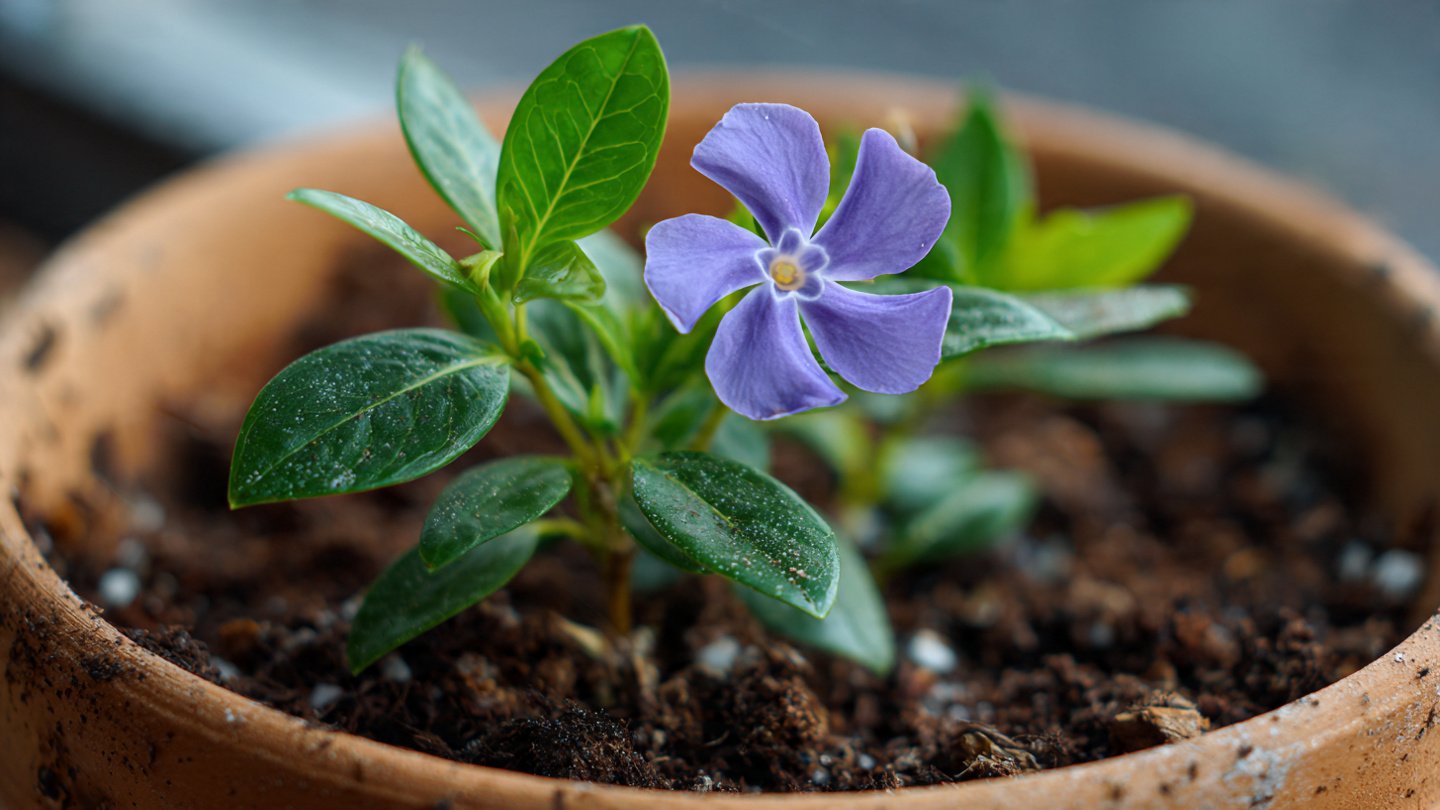
Periwinkle, also known as Vinca, is a versatile and low-maintenance flowering plant loved for its vibrant blooms and glossy green foliage. Its cheerful flowers can range from purple and blue to pink and white, making it a favorite for gardens, borders, and containers. While periwinkle is often grown from cuttings, growing it from seed can be equally rewarding, giving gardeners the joy of nurturing plants from scratch. Whether you plan to start them indoors or sow them directly outdoors, understanding the right techniques ensures healthy growth and abundant flowering. Here’s a step-by-step guide to growing periwinkle from seed successfully.
1. Choosing the Right Seeds
Before planting, selecting high-quality seeds is crucial. Opt for seeds that are fresh and from a reputable source, as periwinkle seeds can lose viability over time. Some popular varieties include:
- Vinca minor (Lesser Periwinkle): A groundcover variety with small, delicate flowers.
- Vinca major (Greater Periwinkle): Larger leaves and flowers, perfect for borders.
- Annual Vinca (Vinca rosea): Often used for bright summer blooms and container planting.
Check the seed packet for germination rates and any specific requirements for the variety you choose. Fresh seeds with a high germination rate will significantly improve your success.
2. Preparing for Indoor Seed Starting
Starting periwinkle seeds indoors allows you to control temperature, light, and moisture, giving seedlings a strong start before transplanting outdoors.
Materials Needed:
- Seed trays or small pots with drainage holes
- Seed-starting mix or a light, well-draining potting soil
- Plastic wrap or a clear dome to retain humidity
- Grow lights or a sunny windowsill
Steps:
- Fill your containers with seed-starting mix, leaving a small gap at the top.
- Moisten the soil lightly—avoid waterlogging, as seeds may rot.
- Scatter the periwinkle seeds on the soil surface. They need light to germinate, so avoid covering them completely.
- Cover the trays with plastic wrap or a dome to maintain humidity.
- Place in a warm area with temperatures around 70–75°F (21–24°C).
3. Germination and Early Care
Periwinkle seeds usually germinate in 7–14 days, depending on temperature and seed freshness. During this period, maintaining consistent moisture is key.
Tips for successful germination:
- Mist the soil surface regularly to keep it lightly moist.
- Remove the plastic cover once seeds sprout to prevent fungal growth.
- Provide 12–16 hours of bright light daily using grow lights or a sunny window.
- Avoid overwatering, which can lead to damping-off disease.
Once seedlings develop their first true leaves, they are ready for the next stage of care.
4. Thinning and Transplanting Seedlings
As seedlings grow, thinning is necessary to prevent overcrowding and ensure strong, healthy plants.
Thinning Steps:
- Choose the strongest seedlings and snip weaker ones at soil level.
- Space seedlings at least 2–3 inches apart in trays or pots.
Transplanting Outdoors:
- Wait until seedlings are at least 2–3 inches tall and have developed multiple sets of leaves.
- Harden off seedlings by gradually exposing them to outdoor conditions over 7–10 days.
- Select a location with well-draining soil and full to partial sun.
- Space plants 6–12 inches apart, depending on the variety.
Transplanting properly ensures seedlings are not stressed and can thrive in their new environment.
5. Direct Sowing Outdoors
For gardeners who prefer minimal indoor work, periwinkle seeds can also be sown directly outdoors once the risk of frost has passed.
Steps for Direct Sowing:
- Prepare the soil by loosening it and removing weeds or debris.
- Sprinkle the seeds evenly over the surface.
- Lightly press the seeds into the soil or cover with a thin layer of fine soil.
- Water gently to keep the soil moist but not saturated.
- Monitor the area for weeds and remove them promptly to reduce competition.
Direct sowing works best in warm climates or during late spring when soil temperatures reach 65–75°F (18–24°C).
6. Soil and Fertilization Requirements
Periwinkle thrives in well-draining soil that is moderately fertile. Heavy clay soils or poorly drained areas can cause root rot and stunted growth. Adding organic matter such as compost or peat moss improves soil structure and fertility.
Fertilization Tips:
- Use a balanced fertilizer (10-10-10) every 4–6 weeks during the growing season.
- Avoid over-fertilizing, which can encourage lush foliage but reduce flowering.
- For container plants, use a slow-release fertilizer to maintain consistent nutrient levels.
Healthy soil is the foundation for vigorous growth and abundant blooms.
7. Light and Watering Needs
Periwinkle is adaptable but performs best with adequate sunlight and careful watering.
Light Requirements:
- Full sun (6–8 hours daily) promotes more flowers and stronger stems.
- Partial shade is tolerated but may result in fewer blooms.
Watering Tips:
- Water deeply but infrequently, allowing the top inch of soil to dry between watering.
- Avoid wetting foliage excessively, which can encourage fungal disease.
- Mulch around plants to retain moisture and reduce weed growth.
Balancing light and water is essential for maintaining vibrant, healthy periwinkle plants.
8. Pruning and Maintenance
Regular maintenance keeps periwinkle looking tidy and encourages continuous flowering.
Pruning Guidelines:
- Pinch back new growth to promote bushier plants.
- Remove spent flowers to extend the blooming period.
- Trim back overgrown or leggy stems to maintain shape and prevent overcrowding.
Maintenance ensures the plant remains healthy, aesthetically pleasing, and less prone to disease.
9. Pest and Disease Management
While periwinkle is generally hardy, it can encounter some pests and diseases, especially when stressed or overcrowded.
Common Pests:
- Aphids: Small, sap-sucking insects that can be controlled with insecticidal soap.
- Spider mites: Tiny pests that cause speckled leaves; increase humidity and use miticides if needed.
Common Diseases:
- Leaf spot: Caused by fungal infection; remove affected leaves and improve air circulation.
- Root rot: Usually from poor drainage; ensure soil drains well and avoid overwatering.
Regular inspection and proper care prevent minor issues from becoming major problems.
10. Overwintering Periwinkle
In colder regions, periwinkle may need protection during winter. Vinca minor and annual varieties can survive mild frost, but severe cold can damage or kill plants.
Overwintering Tips:
- Mulch heavily around outdoor plants to insulate roots.
- In pots, move plants indoors to a sunny window or greenhouse.
- Reduce watering during dormancy, but do not let the soil dry completely.
Proper winter care ensures your periwinkle returns healthy and ready to bloom in spring.
11. Companion Planting Ideas
Periwinkle pairs well with a variety of other garden plants, making it a versatile addition to borders, beds, or containers.
Companion Suggestions:
- Marigolds: Add vibrant color contrast and deter pests.
- Salvia or Lavender: Complement periwinkle’s flowers while attracting pollinators.
- Groundcovers: Combine with creeping thyme or moss for a lush, layered look.
Strategic companion planting enhances garden aesthetics and supports ecosystem health.
12. Enjoying the Blooms
With proper care, periwinkle produces flowers throughout the growing season. Their bright blooms and evergreen foliage make them perfect for:
- Flower beds and garden borders.
- Container gardens, patios, or window boxes.
- Indoor displays when grown in pots or trays.
The satisfaction of growing periwinkle from seed—nurturing seedlings into vibrant, flowering plants—is one of the joys of gardening, offering both beauty and a sense of accomplishment.
Conclusion
Growing periwinkle from seed, whether indoors or outdoors, is a rewarding experience that adds color and life to any garden. By selecting quality seeds, providing the right soil, light, and water, and following proper maintenance practices, gardeners can enjoy healthy, vibrant plants throughout the growing season.
From indoor seed trays to outdoor garden beds, periwinkle adapts well and thrives when given attention and care. Understanding its needs, managing potential pests and diseases, and providing seasonal protection ensures that your periwinkle plants grow strong, flower abundantly, and provide lasting beauty year after year.
Whether you are a beginner gardener or an experienced plant enthusiast, growing periwinkle from seed offers an easy, enjoyable way to enhance your garden with color, resilience, and charm. By following these simple steps, you can cultivate a thriving display of periwinkle that brings joy to your outdoor and indoor spaces alike.