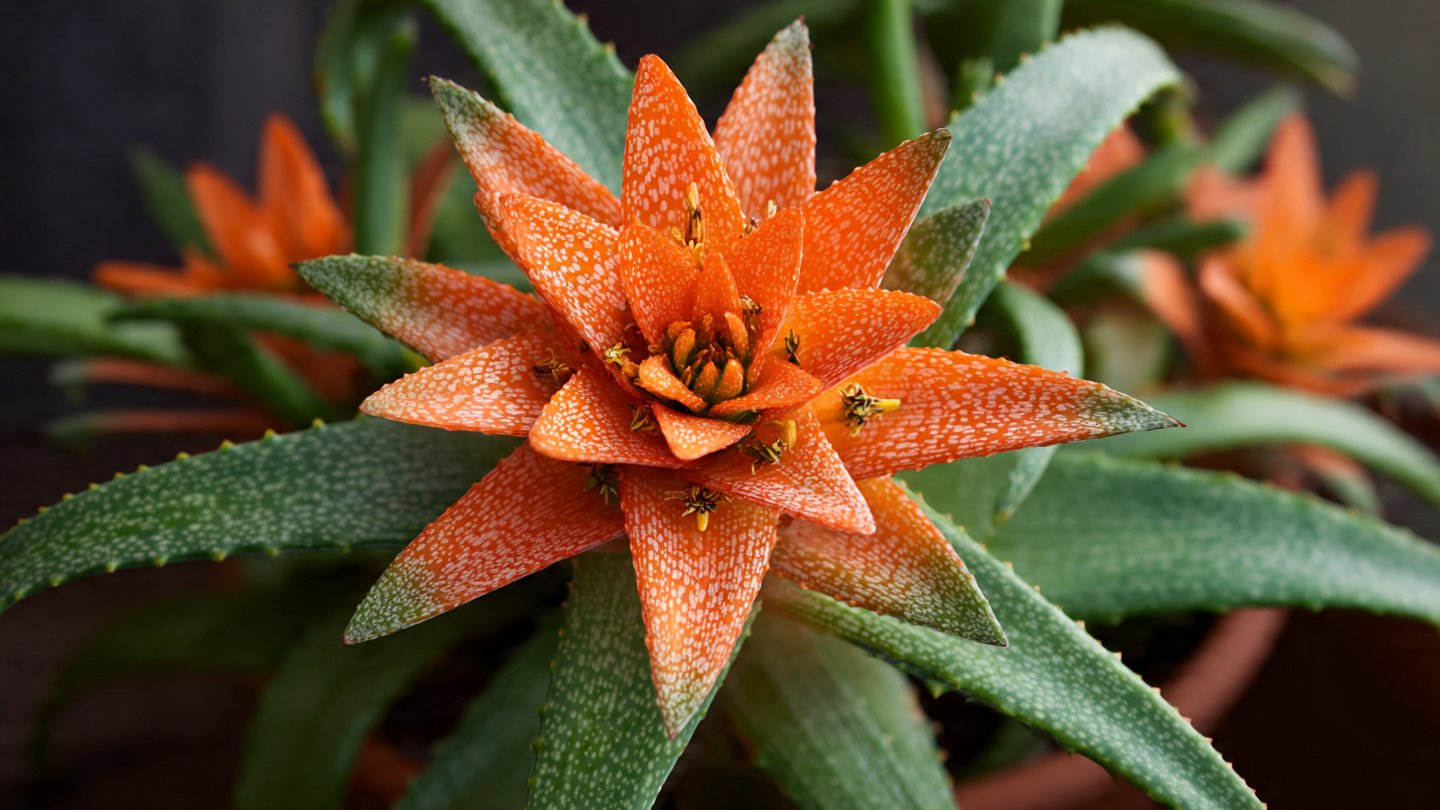
Growing orange trees at home is deeply rewarding, but many gardeners struggle with slow growth, poor fruiting, or weak graft success. Grafting is one of the most effective techniques to improve citrus productivity, fruit quality, and disease resistance. While commercial grafting compounds and hormones are widely used, there’s a simple, natural, and budget-friendly alternative that’s gaining attention among home gardeners: aloe vera.
Aloe vera is not just a medicinal plant for humans—it’s also a powerful natural rooting and healing aid for plants. When used during orange grafting, aloe vera can significantly improve graft success, speed up healing, and enhance overall plant vigor. In this guide, you’ll learn how to graft orange trees easily using aloe vera and how this natural method can boost your citrus yield.
Why Grafting Is Important for Orange Trees
Orange trees grown from seed often take many years to bear fruit and may not produce true-to-type oranges. Grafting solves these problems by combining the best qualities of two plants:
- Rootstock: Provides strong roots, disease resistance, and adaptability to soil and climate
- Scion: Determines fruit quality, flavor, size, and productivity
Grafted orange trees:
- Fruit earlier (often within 2–3 years)
- Produce consistent, high-quality fruit
- Grow more uniformly
- Are more resistant to pests and diseases
Using aloe vera during grafting enhances these benefits naturally.
Why Aloe Vera Works for Grafting
Aloe vera gel contains a rich mix of enzymes, amino acids, natural sugars, vitamins, and plant hormones that support cell regeneration and wound healing. These properties make it ideal for grafting.
Benefits of Aloe Vera in Orange Grafting
- Acts as a natural rooting hormone
- Speeds up callus and tissue formation
- Prevents bacterial and fungal infections
- Keeps graft area moist without causing rot
- Reduces graft shock
- Improves graft union success rate
Unlike synthetic hormones, aloe vera is non-toxic, eco-friendly, and easily available, making it perfect for home gardeners.
Best Time to Graft Orange Trees
Timing plays a crucial role in grafting success.
Ideal Season
- Late winter to early spring is best
- Tree sap should be starting to flow
- Temperatures between 20–30°C (68–86°F) are ideal
Avoid grafting during extreme heat, cold, or heavy rainfall.
Tools and Materials You’ll Need
Before starting, gather everything to avoid interruptions:
- Healthy orange rootstock (1–2 years old)
- Desired orange variety scion (pencil-thick, disease-free)
- Fresh aloe vera leaf
- Sharp, sterilized grafting knife or blade
- Grafting tape or plastic wrap
- Clean cloth or paper towel
- Optional: pruning shears
Always sterilize tools to prevent infection.
Preparing the Aloe Vera Gel
- Cut a fresh aloe vera leaf
- Wash off yellow latex (it can be irritating)
- Slice open the leaf lengthwise
- Scoop out the clear gel
- Use immediately for best results
Fresh gel works better than stored or commercial aloe products.
Step-by-Step: Easy Orange Grafting with Aloe Vera
Step 1: Prepare the Rootstock
- Choose a healthy rootstock with active growth
- Cut the stem at about 6–8 inches above the soil
- Make a clean vertical slit (for cleft grafting) or slanted cut (for wedge grafting)
Step 2: Prepare the Scion
- Select a scion with 2–3 healthy buds
- Cut the base into a V-shape or wedge
- Ensure smooth cuts for maximum contact
Step 3: Apply Aloe Vera Gel
- Dip the cut end of the scion into aloe vera gel
- Also apply a thin layer inside the rootstock cut
This step:
- Prevents drying
- Encourages rapid tissue bonding
- Protects against pathogens
Step 4: Join the Graft
- Insert the scion firmly into the rootstock
- Align the cambium layers (this is crucial)
- Press gently to ensure tight contact
Step 5: Secure the Graft
- Wrap the graft area tightly with grafting tape or plastic wrap
- Ensure no air enters the joint
- Leave buds exposed
Step 6: Post-Grafting Care
- Place the plant in partial shade
- Avoid direct sunlight for 10–14 days
- Keep soil slightly moist but not soggy
- Do not disturb the graft area
Signs of Successful Grafting
Within 2–4 weeks, you should notice:
- Bud swelling on the scion
- New leaf growth
- Firm, green graft union
- No signs of blackening or rot
Once new growth appears, gradually introduce the plant to full sunlight.
Common Mistakes to Avoid
Even with aloe vera, mistakes can reduce success:
- Using dull or unsterilized tools
- Grafting during extreme weather
- Touching the graft union too often
- Overwatering after grafting
- Poor cambium alignment
- Using dry or old aloe gel
Patience and cleanliness are key.
How Aloe Vera Boosts Citrus Yield Long-Term
Using aloe vera doesn’t just help with graft success—it improves overall tree health.
Long-Term Benefits
- Faster establishment of grafted tree
- Stronger root development
- Improved nutrient uptake
- Increased flowering
- Higher fruit set
- Better fruit size and quality
Healthier graft unions lead to longer-living, more productive orange trees.
Can Aloe Vera Replace Commercial Rooting Hormones?
For home gardeners, yes—most of the time.
Aloe vera:
- Works well for citrus, figs, guava, mango, and roses
- Is safer than synthetic hormones
- Costs nothing if grown at home
However, for large-scale commercial orchards, synthetic products may still be preferred for consistency.
Best Orange Varieties for Grafting
Some orange varieties respond exceptionally well to aloe-assisted grafting:
- Sweet Orange (Citrus sinensis)
- Valencia Orange
- Navel Orange
- Blood Orange
- Mandarin hybrids
Pair them with disease-resistant rootstocks for best results.
Extra Tips for Maximum Success
- Perform grafting early in the morning
- Keep aloe gel shaded during use
- Label grafted plants
- Remove shoots growing below the graft
- Apply organic compost after graft takes
These small steps significantly improve success rates.
Why This Natural Method Is Perfect for Home Gardeners
Easy orange grafting with aloe vera is ideal because it is:
- Low-cost
- Beginner-friendly
- Chemical-free
- Environmentally safe
- Highly effective
It allows gardeners to propagate premium citrus varieties while staying true to organic and sustainable gardening principles.
Conclusion
Orange grafting doesn’t have to be complicated or expensive. By using aloe vera, you can naturally enhance graft healing, improve success rates, and grow stronger, more productive citrus trees. This simple green method combines traditional horticultural knowledge with nature’s own healing plant.
Whether you’re a beginner experimenting with grafting for the first time or an experienced gardener looking for a natural alternative, aloe vera offers a powerful solution. With proper timing, clean technique, and patience, you’ll soon enjoy healthier orange trees and a boost in citrus yield—the natural way.