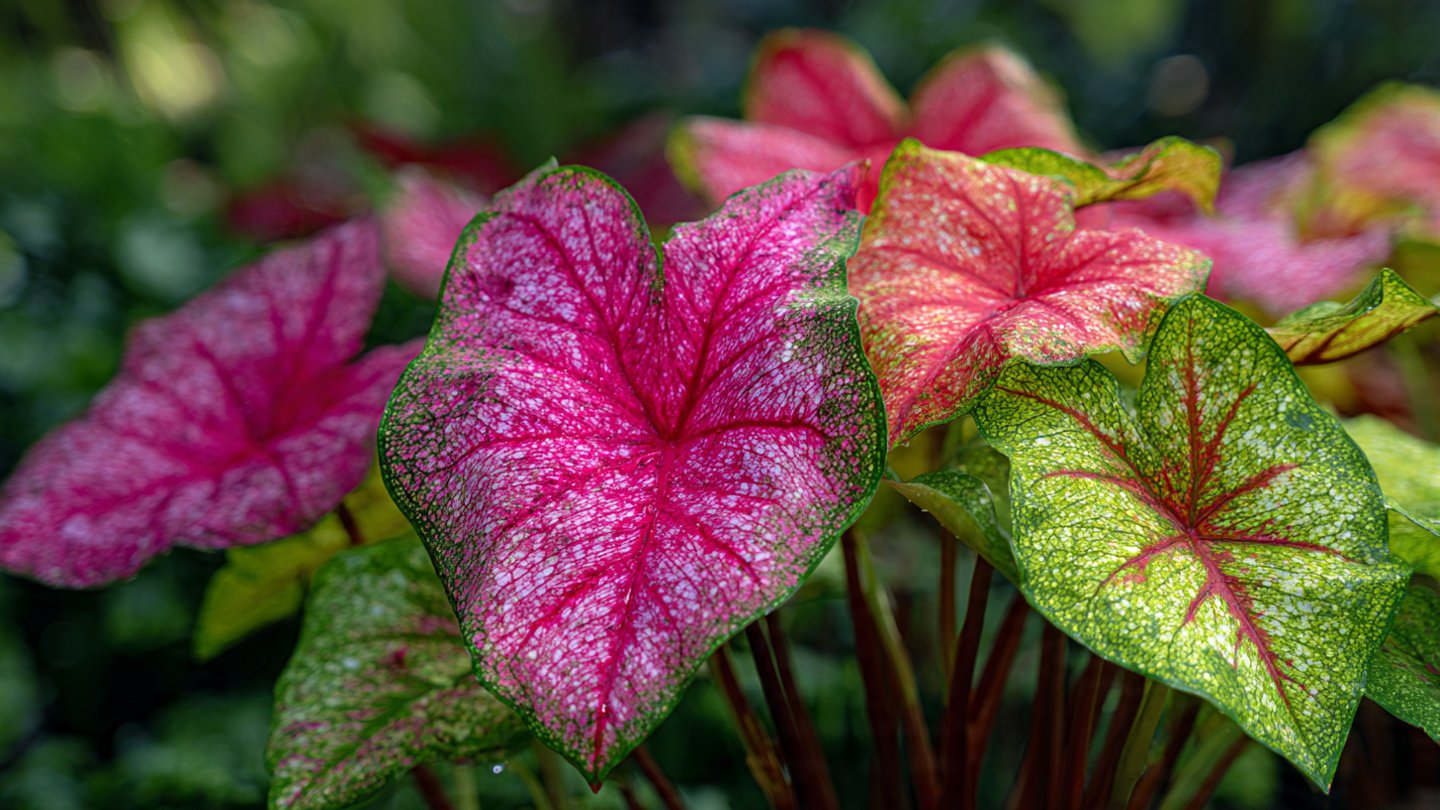
Caladiums are among the most striking ornamental plants for gardens, patios, and container displays. Known for their vibrant, heart-shaped leaves in shades of red, pink, white, and green, caladiums add instant color and texture to outdoor spaces. One of the most visually appealing ways to display them is in color blocks—planting large groups of the same variety together to create a bold, eye-catching pattern. For gardeners seeking a low-maintenance yet high-impact display, caladium color blocks offer a simple and stunning solution.
This guide provides a step-by-step approach for growing caladiums in vibrant color blocks, from choosing varieties to planting, care, and maintenance, ensuring your outdoor display stands out all season.
Why Choose Caladiums for Outdoor Displays
Caladiums are ideal for creating color blocks because of their unique features:
- Bright and Diverse Colors: Leaves range from deep reds to soft pinks, crisp whites, and variegated patterns.
- Compact Growth Habit: Perfect for mass planting in flower beds, borders, or containers.
- Shade-Tolerant: Caladiums thrive in partial shade, making them suitable for under trees or near buildings.
- Low Maintenance: They require minimal care once established and can last throughout the growing season with proper watering and fertilization.
- Eye-Catching Impact: When planted in blocks, their vibrant foliage creates a dramatic visual effect in any garden.
Color blocks of caladiums are an effortless way to transform outdoor spaces without the complexity of flowering annuals.
Step 1: Select the Right Caladium Varieties
Choosing the right varieties is essential for a cohesive, visually appealing display:
- Color Selection: Decide on a color theme. Reds and pinks together create warmth, while whites and greens offer a cooling contrast.
- Leaf Size: Large-leaved varieties like ‘Fannie Munson’ or ‘Red Flash’ are perfect for bold blocks, while smaller varieties like ‘Candidum’ or ‘White Queen’ add texture and layering.
- Sun Tolerance: Most caladiums prefer filtered sunlight or partial shade. Select varieties suitable for your garden’s lighting conditions.
- Growth Habit: Upright types (also called “Fancy Leaf”) create height, while heart-shaped “Strain Leaf” varieties spread more horizontally.
By selecting varieties carefully, you can achieve a uniform, harmonious, and visually impactful color block display.
Step 2: Prepare the Planting Area
A well-prepared site ensures healthy caladium growth and vibrant color:
- Soil Type: Caladiums prefer loamy, well-draining soil rich in organic matter. Avoid heavy clay, which retains water and can cause tuber rot.
- Soil Amendment: Incorporate compost or well-rotted manure to improve fertility and soil structure. Adding a handful of sand can enhance drainage.
- Sunlight Considerations: Plant in partial shade (3–6 hours of indirect sunlight) for optimal leaf color. Too much direct sun can scorch leaves.
- Level Ground: Ensure the bed is level to allow even watering and uniform plant growth.
Proper preparation of the soil and planting area lays the foundation for strong, healthy plants that display vibrant foliage.
Step 3: Planting Caladium Tubers
Caladiums grow from tubers, which must be planted carefully for a successful display:
- Tuber Selection: Choose firm, plump tubers without signs of rot, mold, or soft spots.
- Planting Depth: Plant tubers 1–2 inches deep with the pointed side facing up.
- Spacing: Space tubers 6–12 inches apart depending on leaf size. Large-leaved varieties require wider spacing to prevent overcrowding.
- Timing: Plant caladium tubers in spring, after the last frost, when soil temperatures reach 65–75°F.
Following proper planting techniques ensures that your caladiums grow strong, healthy, and produce a uniform color block effect.
Step 4: Watering and Moisture Management
Caladiums require consistent moisture to thrive:
- Regular Watering: Keep soil evenly moist but not waterlogged. Deep, infrequent watering encourages strong root and tuber development.
- Mulching: Apply 2–3 inches of organic mulch around the plants to retain moisture, reduce weeds, and moderate soil temperature.
- Avoid Wet Foliage: Water at the base of the plant to prevent leaf diseases.
- Drought Considerations: In hot, dry periods, increase watering frequency to maintain lush foliage.
Proper moisture management ensures vibrant leaves and long-lasting color in your display.
Step 5: Fertilization for Vibrant Color
Fertilizer promotes leaf growth, color intensity, and overall plant health:
- Balanced Fertilizer: Use a water-soluble fertilizer with equal NPK (10-10-10) for regular feeding every 3–4 weeks.
- Leaf Color Enhancement: A fertilizer slightly higher in potassium and phosphorus supports bright, vibrant foliage.
- Organic Options: Compost tea, fish emulsion, or worm castings provide slow-release nutrients and improve soil fertility.
- Avoid Excess Nitrogen: Too much nitrogen encourages leafy growth at the expense of tuber development and leaf color intensity.
Regular feeding keeps the leaves lush, healthy, and visually striking, enhancing the color block effect.
Step 6: Maintaining Shape and Display
To keep your caladium blocks neat and visually appealing:
- Remove Yellowing Leaves: Trim damaged or yellow leaves to maintain a clean appearance.
- Rotate Planting: When using containers or raised beds, rotate plants to prevent uneven sun exposure.
- Prune Sparsely: Caladiums generally do not require heavy pruning, but occasional trimming encourages bushier growth and compact foliage.
- Tidy Edges: Maintain straight edges and clear lines in your color block layout for maximum visual impact.
Maintaining the display ensures that your caladiums continue to provide a bold, organized look throughout the season.
Step 7: Pest and Disease Control
Caladiums are generally hardy, but pests and diseases can affect their vibrancy:
- Common Pests: Aphids, spider mites, and slugs can damage foliage. Handpick pests or apply insecticidal soap as needed.
- Fungal Issues: Overwatering or poor airflow may cause leaf spot or tuber rot. Plant in well-draining soil and avoid overhead watering.
- Regular Monitoring: Inspect plants weekly for signs of pests or disease and remove affected leaves immediately.
Healthy, pest-free plants maintain bright colors and contribute to a striking, long-lasting display.
Step 8: Seasonal Care and Tubers
Caladiums are tropical plants, so seasonal management ensures continued success:
- Winter Dormancy: In colder climates, lift tubers after the first frost, clean them, and store in a cool, dry place for replanting in spring.
- Container Care: For potted caladiums, move them indoors or to a protected location during winter.
- Replanting: Replant dormant tubers the following spring for another vibrant season.
Seasonal care ensures your caladium color blocks last year after year, maintaining their beauty and vibrancy.
Step 9: Creating the Color Block Effect
To achieve the boldest visual impact, follow these design tips:
- Uniform Blocks: Plant large groups of the same variety together for a solid color block.
- Layering Heights: Use taller varieties at the back of garden beds and trailing or shorter varieties at the front.
- Contrasting Colors: Combine complementary colors like red and white, or pink and green, for striking patterns.
- Edge Definition: Use garden edging or containers to create clear boundaries between color blocks.
- Repeat Patterns: Repeating the same block patterns throughout the garden enhances visual rhythm and cohesion.
Thoughtful placement and grouping maximize the aesthetic impact of your caladium display.
Benefits of Caladium Color Blocks
- Instant Visual Appeal: Bright, bold foliage transforms any outdoor space quickly.
- Low Maintenance: Requires minimal care once established, making it ideal for beginners and busy gardeners.
- Flexible Placement: Works in garden beds, borders, patios, and container arrangements.
- Tropical Vibe: Adds a lush, exotic look to your garden or outdoor decor.
- Long-Lasting Color: Proper care ensures vibrant leaves throughout the growing season.
Color blocks of caladiums are a simple yet powerful way to elevate your outdoor landscape.
Conclusion
Caladium color blocks are an easy, high-impact method to enhance your outdoor space with vibrant foliage. By selecting the right varieties, preparing well-draining soil, planting tubers carefully, and providing proper watering, fertilization, and maintenance, you can create lush, colorful displays that thrive throughout the growing season. Attention to pest control, seasonal care, and display design ensures that your caladiums remain healthy and visually striking.
Whether used in garden beds, borders, or containers, caladium color blocks offer a bold and tropical aesthetic with minimal effort. With these simple methods, even beginner gardeners can achieve a professional-looking, vibrant outdoor display that will impress friends, family, and passersby.