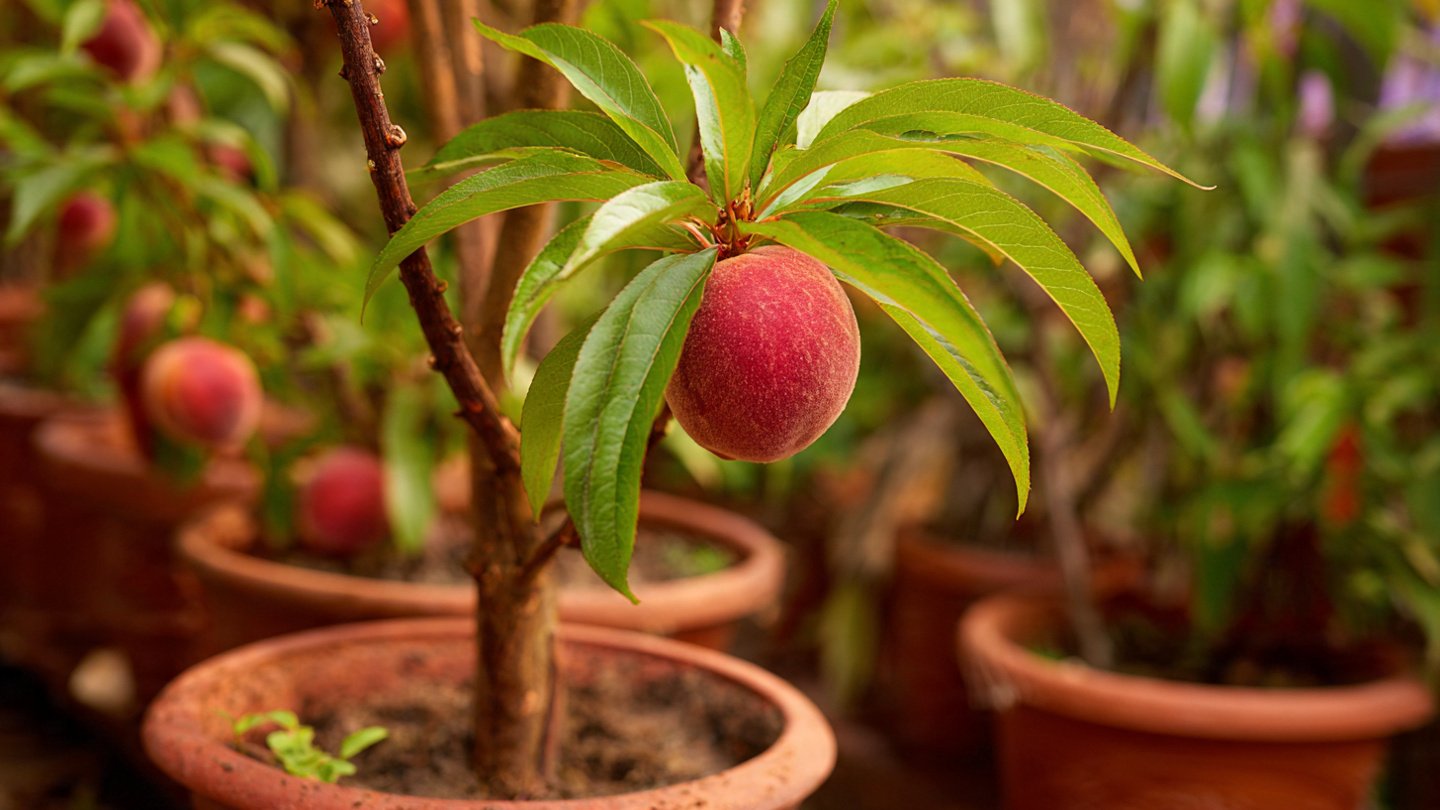
Nectarines are beloved for their juicy, sweet flavor and smooth skin, making them a favorite fruit in many households. While traditionally grown in orchards or backyards with ample space, nectarines can also thrive in containers—a perfect solution for beginners, apartment dwellers, or gardeners with limited outdoor space. Growing nectarine trees in containers not only allows for easier management and mobility but also gives you the joy of harvesting fresh, homegrown fruit. In this ultimate guide, we explore an easy hack for successfully growing nectarine trees in containers, along with essential tips for beginners to ensure healthy growth and fruitful harvests.
Why Grow Nectarine Trees in Containers?
Container gardening offers several advantages over traditional in-ground planting:
- Space Efficiency: Perfect for patios, balconies, or small gardens.
- Mobility: Containers can be moved to follow sunlight or be protected from extreme weather.
- Soil Control: You can create the ideal soil mix for nectarine trees, avoiding poor native soils.
- Pest and Disease Management: Easier monitoring and control of pests, diseases, and water stress.
- Beginner-Friendly: Reduced risk of overgrowth, root competition, or complicated pruning challenges.
By growing nectarines in containers, even beginners can enjoy a fruitful tree without the need for a large garden.
Selecting the Right Nectarine Variety
Choosing the right variety is critical for container success:
- Dwarf or Semi-Dwarf Varieties: Varieties like ‘Fantasia,’ ‘Necta Zee,’ or ‘Redgold’ are compact, easy to manage, and fruit reliably in containers.
- Self-Pollinating Varieties: Self-pollinating nectarines eliminate the need for a second tree, ideal for limited space.
- Cold-Hardy or Heat-Tolerant Varieties: Choose according to your local climate to ensure year-round health.
Selecting a suitable variety increases the likelihood of early and abundant fruiting.
Choosing the Perfect Container
The container plays a vital role in the health of your nectarine tree:
- Size: Start with a 15–20 gallon container for young trees. Mature trees may require 25–30 gallons for root development and fruit production.
- Material: Terracotta, plastic, or ceramic pots all work. Terracotta offers breathability, while plastic is lightweight and easier to move.
- Drainage: Ensure the container has multiple drainage holes to prevent waterlogging and root rot.
The right container sets the stage for strong root growth and vibrant fruiting.
Preparing the Ideal Soil Mix
Nectarine trees thrive in well-draining soil rich in organic matter. Here’s an easy, budget-friendly soil mix:
- 1 part compost or well-rotted manure – provides nutrients and improves soil fertility.
- 1 part garden soil or loam – adds structure and stability.
- 1 part perlite or sand – enhances drainage to prevent waterlogged roots.
Avoid heavy clay soils in containers, as they retain excess water and can lead to root diseases. A light, airy mix ensures healthy growth and prevents nutrient deficiencies.
Planting Your Nectarine Tree in a Container
Follow these simple steps for successful planting:
- Position the Tree: Place the tree in the center of the container, spreading roots evenly.
- Backfill Soil: Fill around the roots with the prepared soil mix, gently pressing to eliminate air pockets.
- Water Thoroughly: Water deeply immediately after planting to settle the soil and encourage root establishment.
- Mulch: Add a layer of organic mulch on top to retain moisture, regulate temperature, and suppress weeds.
Proper planting ensures strong root establishment, which is crucial for container-grown trees.
Easy Hack for Faster Growth and Fruit
Here’s the easy hack that beginners love:
Use a Growth-Friendly Fertilizer and Watering Combo
- Balanced Fertilizer: Apply a slow-release fertilizer formulated for fruit trees, such as a 10-10-10 or 14-14-14 NPK ratio.
- Liquid Boosts: Every 2–4 weeks, supplement with a liquid fertilizer high in potassium and phosphorus to encourage flowering and fruiting.
- Consistent Moisture: Keep the soil evenly moist but not soggy. Container trees dry out faster than ground trees, so monitor daily during hot months.
This combination of slow-release feeding and targeted liquid boosts encourages rapid root development, lush foliage, and early flowering—a beginner-friendly way to speed up fruit production.
Sunlight and Placement
Nectarine trees thrive in full sun:
- Provide at least 6–8 hours of direct sunlight daily.
- In extremely hot climates, some afternoon shade prevents leaf scorching.
- Move the container if sunlight exposure changes seasonally to ensure optimal growth.
Proper sunlight is essential for photosynthesis, flowering, and fruit development.
Pruning and Training for Container Trees
Pruning is important to manage size, shape, and fruiting:
- Initial Pruning: Remove any weak, crossing, or damaged branches when planting.
- Height Control: Trim annually to maintain manageable size in containers.
- Encourage Fruit: Pinch back long shoots to stimulate lateral growth, which produces more flowers.
- Remove Dead or Diseased Branches: Prevents spread of pests and encourages healthy growth.
Regular pruning ensures your container nectarine remains compact, attractive, and productive.
Pollination Tips
Even self-pollinating varieties benefit from extra help:
- Hand Pollination: Use a small paintbrush to transfer pollen between flowers to improve fruit set.
- Attract Pollinators: If outdoors, plant companion flowers nearby to attract bees and other pollinators.
By supporting pollination, even container-grown trees can yield abundant, high-quality fruit.
Watering Schedule for Container Nectarines
Watering is a critical factor for container trees:
- Young Trees: Water daily or when the top 1–2 inches of soil are dry.
- Established Trees: Water 2–3 times per week, adjusting for heat and rainfall.
- Winter Care: Reduce watering during dormancy but do not let the soil dry out completely.
Consistent moisture ensures proper root function, flower formation, and fruit development.
Pest and Disease Management
Container-grown nectarine trees are easier to monitor and protect:
- Common Pests: Aphids, scale insects, and spider mites. Use insecticidal soap or neem oil.
- Fungal Diseases: Powdery mildew or leaf spot can occur in humid conditions. Ensure adequate air circulation and prune overcrowded branches.
- Preventative Care: Inspect trees weekly and remove fallen leaves to prevent disease buildup.
Vigilant monitoring keeps your container tree healthy and productive.
Harvesting Nectarines
- Nectarines typically fruit in 2–3 years when grown in containers from dwarf varieties.
- Harvest when fruits are firm but slightly soft, with vibrant color and sweet aroma.
- Gently twist or cut the fruit from the stem to avoid damaging the branches.
Container trees may produce fewer fruits than full-sized trees initially, but with proper care, they can yield a generous harvest each season.
Additional Tips for Beginners
- Start Small: Begin with one container tree and expand as you gain confidence.
- Rotate the Container: Move the tree to follow sunlight patterns for consistent growth.
- Winter Protection: In colder climates, bring the container indoors or provide frost protection.
- Regular Feeding: Maintain a nutrient-rich soil environment to sustain growth.
- Observe and Adjust: Monitor leaves, flowers, and fruits regularly, and adjust watering, sunlight, or fertilizer as needed.
By following these beginner-friendly tips, you can simplify the growing process and enjoy successful container nectarine gardening.
Conclusion
Growing nectarines in containers is an accessible, rewarding, and beginner-friendly way to enjoy fresh, homegrown fruit—even without a backyard or orchard. By selecting the right dwarf variety, choosing an appropriate container, using well-draining soil, providing adequate sunlight and water, and applying the easy hack of combined slow-release and liquid fertilizer, you can cultivate healthy, flowering nectarine trees in any space.
Pruning, pest management, and proper pollination techniques further enhance growth and fruit production. With consistent care and attention, your container-grown nectarine tree can thrive for years, providing sweet, juicy fruit and adding beauty to your patio, balcony, or garden.
This method empowers beginners to experience the joy of fruit gardening with minimal hassle while maximizing yield and tree health. Whether you’re a beginner or an urban gardener, this guide offers all the tools and hacks you need to turn your container into a vibrant nectarine-producing oasis.