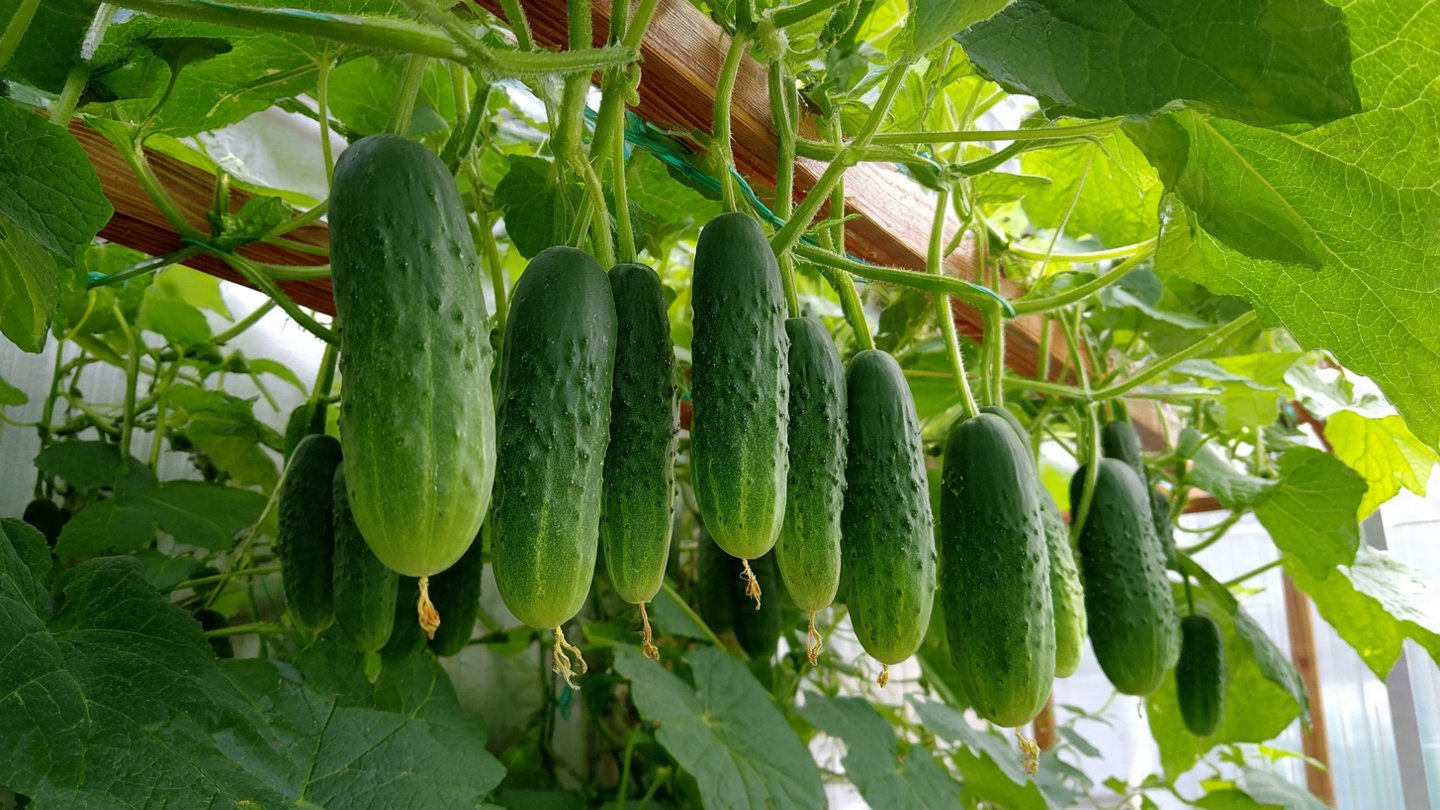
Cucumbers are one of the most popular and refreshing vegetables for home gardens. Crisp, juicy, and versatile in salads, pickles, or sandwiches, cucumbers are a delight to grow. However, traditional cucumber gardening often requires significant ground space, and sprawling vines can make harvesting challenging. Fortunately, there’s a simple and effective hack to grow cucumbers vertically, maximizing yield while minimizing space usage.
Vertical cucumber gardening is perfect for small yards, balconies, or urban gardens. This guide will walk you through easy techniques, tips, and strategies to help you grow cucumbers vertically, efficiently, and abundantly.
Why Grow Cucumbers Vertically?
Growing cucumbers vertically offers several advantages over traditional ground planting:
- Space Efficiency – Vertical growth requires less ground space, ideal for small gardens or container gardening.
- Better Air Circulation – Elevating vines improves airflow, reducing the risk of fungal infections like powdery mildew.
- Healthier Plants – Leaves and fruits are less likely to rot as they don’t touch the soil.
- Easier Harvesting – Fruits hang naturally, making them easier to spot and pick.
- Higher Yield – Vertical support encourages vines to grow upwards, leading to more fruit production in a smaller area.
This method is particularly beneficial for urban gardeners, balcony growers, and small-space enthusiasts, allowing them to enjoy fresh cucumbers all season.
Choosing the Right Cucumber Variety
Not all cucumber varieties are ideal for vertical gardening. Selecting the right type ensures vigorous growth and maximum yield:
1. Pickling Cucumbers
- Shorter, compact varieties ideal for small trellises.
- Examples: ‘Bush Pickle,’ ‘National Pickling.’
2. Slicing Cucumbers
- Long and straight varieties that thrive on trellises.
- Examples: ‘Straight Eight,’ ‘Marketmore 76.’
3. Bush Varieties
- Smaller and more compact, suitable for container vertical gardens.
- Examples: ‘Bush Champion,’ ‘Bush Crop.’
4. Hybrid Varieties
- High-yield, disease-resistant hybrids work well for vertical growth.
Choosing a vigorously growing, trellis-friendly variety ensures healthy plants that climb well and produce consistently.
Preparing the Soil and Containers
Even when growing vertically, cucumber plants need fertile, well-draining soil:
1. Soil Requirements
- Use loamy soil rich in organic matter.
- Ideal pH: 6.0–6.8.
- Mix compost or well-rotted manure to improve fertility and moisture retention.
2. Container Selection
- Choose large containers (12–18 inches deep) with drainage holes.
- Vertical cucumber vines grow better in deep containers that allow strong root development.
3. Mulching
- Apply organic mulch at the base to retain soil moisture and reduce weed growth.
Proper soil and container preparation ensure healthy roots, strong vines, and better fruit production.
Building a Vertical Support System
The key to vertical cucumber gardening is providing a sturdy trellis or support structure:
1. Simple Trellis
- Use bamboo stakes, wooden poles, or metal rods.
- Form a teepee or A-frame structure for vines to climb.
2. Netting or Wire Mesh
- Strong garden netting or wire mesh attached to a frame is ideal for long-term growth.
- Supports multiple vines and allows easy access for harvesting.
3. Vertical Containers
- Tall grow bags or planters with built-in trellis support are perfect for balconies.
- Stackable systems allow multiple plants in limited space.
Tip: Ensure the support structure is stable enough to hold fully grown vines and fruits. A strong trellis prevents plants from collapsing under weight.
Planting Cucumbers Vertically
Follow these steps to start your vertical cucumber garden:
1. Seed Sowing
- Sow seeds directly in containers or seed trays.
- Plant 2–3 seeds per container, 1 inch deep, and cover lightly with soil.
2. Spacing
- Space containers 12–18 inches apart for airflow and growth.
- Ensure enough room for trellis installation.
3. Transplanting
- If starting in trays, transplant seedlings to containers after 2–3 weeks, when they have 2–3 true leaves.
4. Initial Support
- Provide temporary stakes for seedlings to climb gradually before attaching them to the trellis.
By planting carefully and providing initial support, cucumber seedlings establish strong roots and prepare for vertical growth.
Training and Pruning Vines
Vertical cucumber gardening requires training the vines to grow upwards:
1. Guiding the Vines
- Gently wrap vines around the trellis or netting.
- Use soft ties or garden twine to prevent damage.
2. Pruning Tips
- Remove lateral shoots at the base that compete with main vines.
- Cut off yellow or diseased leaves to maintain plant health.
- Pinch tips if the vine becomes too long to focus energy on fruit production.
3. Maintaining Growth
- Regularly check and adjust ties as vines grow.
- Ensure vines are evenly distributed to prevent overcrowding.
Proper training and pruning encourage healthy vertical growth and maximize fruit yield.
Watering and Fertilizing Vertical Cucumbers
Vertical cucumbers need consistent care for high yield and fruit quality:
1. Watering
- Keep the soil consistently moist, especially during flowering and fruiting.
- Avoid waterlogging, which can cause root rot.
- Deep watering ensures roots grow strong and support vertical growth.
2. Fertilization
- Apply a balanced fertilizer (NPK 10:10:10) every 2–3 weeks.
- Use compost or liquid organic fertilizers for slow, continuous nutrient supply.
- Reduce nitrogen during fruiting to promote flowering and fruit development.
3. Mulching
- Maintain mulch at the base to retain moisture and regulate soil temperature.
Consistent watering and fertilization produce lush foliage and abundant cucumbers throughout the season.
Pest and Disease Management
Vertical gardening improves airflow, but cucumbers can still face pests and diseases:
1. Common Pests
- Aphids, cucumber beetles, and spider mites may attack leaves and fruits.
- Use organic insecticides or neem oil for safe control.
2. Disease Prevention
- Powdery mildew can appear in humid conditions.
- Avoid overcrowding, prune affected leaves, and ensure proper airflow.
3. Preventive Measures
- Rotate containers or plant varieties each season.
- Clean support structures to prevent fungal buildup.
Proactive pest and disease management ensures healthy vines and maximum harvests.
Harvesting Cucumbers
Proper harvesting is essential to encourage continuous production:
1. Timing
- Harvest cucumbers when they are firm, green, and of desired size.
- Picking regularly encourages the plant to produce more fruits.
2. Technique
- Use scissors or garden shears to avoid damaging the vine.
- Avoid leaving overripe fruits, which can slow further production.
3. Yield Maximization
- Frequent harvesting ensures continuous flowering and fruiting throughout the growing season.
With regular harvesting, vertical cucumber gardens provide a steady supply of fresh vegetables even in small spaces.
Benefits of Vertical Cucumber Gardening
Growing cucumbers vertically offers numerous advantages:
- Space Efficiency – Ideal for small balconies, patios, or compact gardens.
- Higher Yield – Maximizes fruit production per square foot.
- Disease Prevention – Reduced contact with soil lowers the risk of rot and fungal infections.
- Ease of Harvest – Fruits are easy to see and pick.
- Aesthetic Appeal – Vertical gardens add beauty and greenery to indoor and outdoor spaces.
Vertical cucumber gardening is perfect for urban gardeners, balcony growers, and anyone seeking higher yields with minimal space.
Conclusion
Vertical cucumber gardening is a simple, effective, and rewarding method to grow fresh, delicious cucumbers using minimal space. By selecting the right variety, preparing fertile soil, building a sturdy trellis, and providing proper care, beginners can enjoy lush vines, high yields, and easy harvesting.
Key Takeaways for Vertical Cucumber Gardening:
- Choose trellis-friendly cucumber varieties for vertical growth.
- Use deep containers or well-prepared soil beds with organic matter.
- Provide sturdy support and train vines to climb upwards.
- Water consistently, fertilize regularly, and maintain mulch.
- Prune strategically and manage pests to keep plants healthy.
- Harvest frequently to encourage continuous production.
With these simple hacks, you can transform any small garden, balcony, or urban space into a productive cucumber-growing paradise, enjoying fresh, homegrown cucumbers throughout the season. Vertical gardening makes the most of limited space while maximizing yield, quality, and convenience.