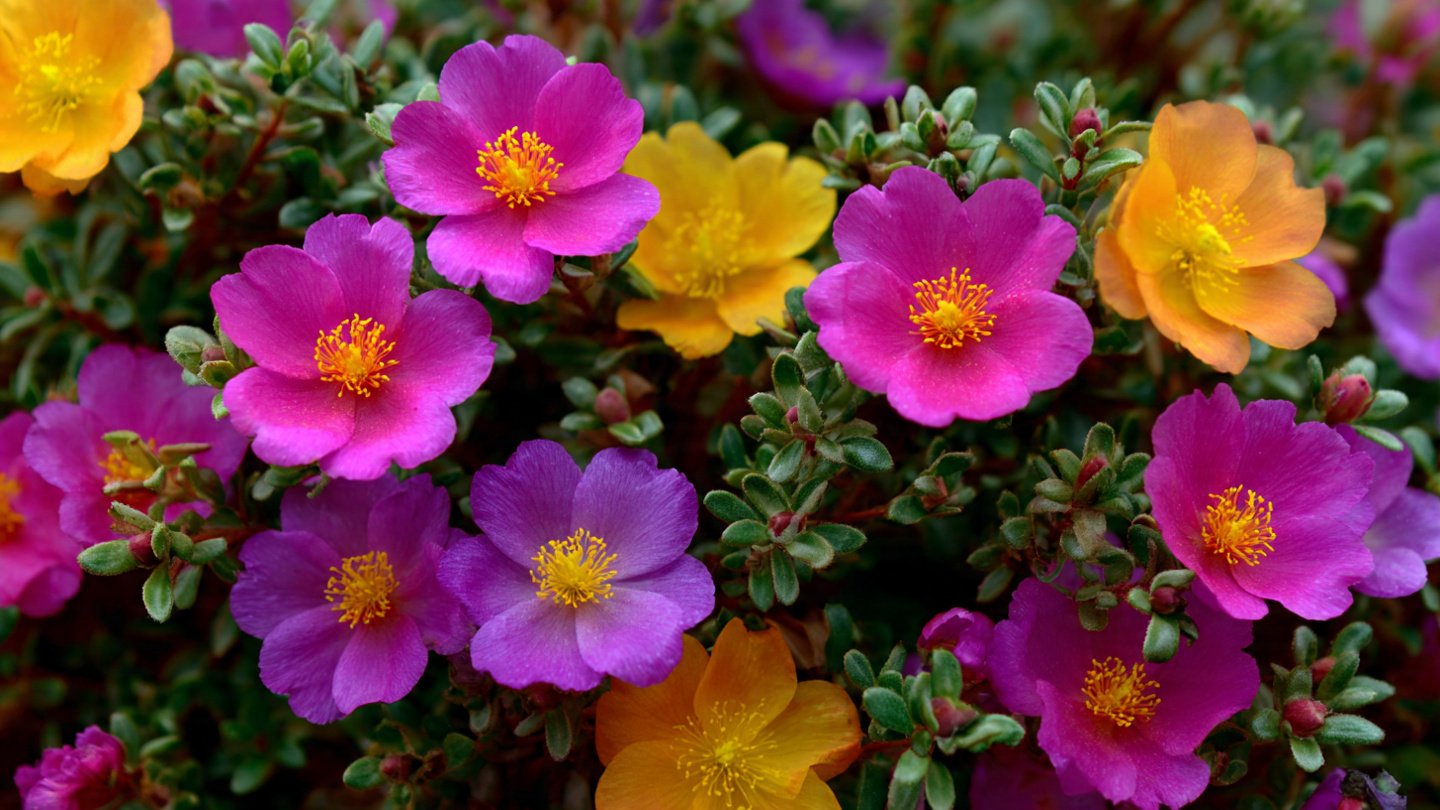
Portulaca, also known as moss rose, is a stunning flowering plant prized for its vibrant blooms, drought tolerance, and ability to brighten up any garden space. With a wide array of colors including pink, red, orange, yellow, and white, Portulaca adds an instant splash of color to flower beds, containers, hanging baskets, and even rock gardens. Its succulent leaves and low-maintenance nature make it an ideal choice for beginner gardeners and seasoned horticulturists alike. This guide provides an easy-to-follow approach to growing Portulaca successfully and keeping your garden colorful throughout the season.
Why Choose Portulaca for Your Garden?
Portulaca has earned its reputation as a favorite among gardeners for several reasons:
- Vibrant Colors: Bursting with flowers in shades of red, pink, orange, yellow, and white, Portulaca creates eye-catching displays.
- Drought Tolerant: As a succulent, it stores water in its leaves and thrives in dry conditions, making it perfect for low-maintenance gardens.
- Long Blooming Season: From late spring to early fall, Portulaca produces flowers almost continuously if cared for properly.
- Versatility: It grows well in garden beds, containers, hanging baskets, window boxes, and even along pathways.
- Attracts Pollinators: Bees and butterflies love Portulaca, making it a beneficial addition to pollinator-friendly gardens.
Step 1: Choosing the Right Variety
Portulaca comes in numerous varieties, each with unique characteristics:
- Single-Flowered Varieties: Classic moss rose blooms, typically simple flowers in bright colors.
- Double-Flowered Varieties: These have more layered petals, creating fuller, rose-like flowers.
- Trailing Varieties: Perfect for hanging baskets or containers where flowers can cascade beautifully over the edges.
- Miniature Varieties: Ideal for borders, rock gardens, or small container arrangements.
Select a variety that complements your garden space and the visual effect you want to achieve.
Step 2: Selecting a Planting Site
Portulaca thrives under specific conditions that maximize growth and flowering:
- Sunlight: Full sun is essential. Portulaca requires at least 6–8 hours of direct sunlight daily for optimal blooms.
- Soil: Well-draining, sandy or loamy soil works best. Avoid waterlogged soil, as Portulaca is prone to root rot.
- Spacing: Plant Portulaca 6–12 inches apart to allow ample airflow and space for spreading.
Portulaca is a low-growing plant, so choose areas where its trailing habit or compact size can be appreciated. Containers near sunny windows, patios, or garden borders are excellent options.
Step 3: Propagating Portulaca
Portulaca can be grown from seeds or cuttings, making it easy to propagate:
a) Growing from Seeds
- Timing: Sow seeds in spring after the last frost.
- Seed Preparation: Portulaca seeds are tiny. Mix them with a little sand to spread evenly.
- Sowing: Sprinkle seeds over well-draining soil and lightly press them into the surface. Avoid covering seeds deeply; they need light to germinate.
- Watering: Mist gently to keep the soil moist until germination occurs.
- Germination Time: Seeds typically sprout in 7–14 days under warm conditions.
b) Growing from Cuttings
- Select Healthy Stems: Choose 3–4 inch stems from a healthy Portulaca plant.
- Remove Lower Leaves: Strip leaves from the lower portion of the cutting.
- Planting: Insert the cutting into well-draining soil.
- Watering: Water lightly, allowing the soil to dry slightly between waterings.
- Rooting Time: Cuttings usually root within 2–3 weeks.
Propagation via cuttings is ideal for creating multiple plants quickly, while seed propagation allows for experimenting with colors and varieties.
Step 4: Preparing the Soil
Portulaca prefers soil conditions that mimic its natural habitat: dry, sandy, and well-draining. To prepare the soil:
- Amend Heavy Soil: Mix garden soil with sand, perlite, or vermiculite to improve drainage.
- Add Organic Matter: Incorporate a small amount of compost to provide nutrients without retaining excess water.
- Soil pH: Portulaca tolerates slightly acidic to neutral soils (pH 5.5–7.0).
Good drainage is crucial; soggy soil will kill Portulaca quickly. Raised beds or containers with drainage holes are ideal for preventing waterlogging.
Step 5: Planting Portulaca
Once your soil and site are ready, planting is simple:
- Dig Holes: For garden beds, dig shallow holes 6–12 inches apart. For containers, ensure adequate space for growth.
- Plant Carefully: Remove plants from pots and gently loosen roots. Place them in holes or containers.
- Backfill and Firm: Fill in soil around the roots, lightly firming to remove air pockets.
- Water Lightly: Water gently to settle the soil, then allow it to dry between waterings.
Portulaca is tolerant of dry conditions but appreciates a gentle initial watering to help establish roots.
Step 6: Watering and Care
Portulaca is remarkably low-maintenance, but proper watering is essential:
- Watering Frequency: Once established, water sparingly. Overwatering reduces flowering and can cause root rot.
- Mulching: Apply a light layer of mulch around plants to retain moisture and suppress weeds without making the soil soggy.
- Deadheading: Remove faded flowers to encourage continuous blooming and maintain vibrant displays.
- Fertilizing: Feed lightly with a balanced, slow-release fertilizer every 4–6 weeks for lush growth and bright flowers.
Remember, Portulaca thrives on neglect more than overcare. Avoid heavy feeding or constant watering.
Step 7: Light Requirements
Portulaca’s flowers open in direct sunlight and close during cloudy weather or at night:
- Full Sun: At least 6–8 hours of bright sunlight daily ensures abundant blooms.
- Partial Shade: Can survive in partial shade but produces fewer flowers.
- Indoor Growing: If grown indoors, place near a south-facing window or under a grow light for sufficient light exposure.
Sunlight not only encourages flowering but also keeps leaves compact and colorful.
Step 8: Managing Pests and Diseases
Portulaca is relatively pest-resistant, but occasional issues can arise:
- Aphids: Small insects that suck plant sap. Spray with mild soapy water or neem oil.
- Mealybugs: White cottony insects; remove manually or spray with neem oil.
- Fungal Issues: Overwatering or poor airflow can cause root rot. Ensure well-draining soil and space plants properly.
Routine inspection and careful watering prevent most problems without harsh chemicals.
Step 9: Encouraging Continuous Bloom
Portulaca blooms profusely when stressed slightly — meaning too much water or fertilizer reduces flower production. To encourage vibrant blooms:
- Prune Sparingly: Pinch back overgrown stems to promote branching and more flowers.
- Avoid Overwatering: Keep the soil lightly dry between waterings.
- Remove Spent Flowers: Deadheading encourages the plant to produce new flowers instead of seeds.
A little neglect goes a long way in keeping Portulaca colorful and compact.
Step 10: Seasonal Care
- Spring and Summer: Ideal growth and flowering period. Maintain sunlight, moderate watering, and occasional fertilizer.
- Fall: Flowering slows as temperatures drop. Reduce watering.
- Winter: Portulaca is frost-sensitive. Bring potted plants indoors or cover outdoor plants if frost is expected.
Portulaca is often treated as an annual in colder climates but can survive multiple seasons in warm regions.
Step 11: Using Portulaca in Garden Design
Portulaca’s vibrant flowers and trailing habit make it highly versatile in landscaping:
- Borders and Edging: Creates colorful edges along pathways or garden beds.
- Rock Gardens: Thrives in rocky, well-drained areas.
- Containers and Hanging Baskets: Trailing varieties cascade beautifully over edges.
- Mixed Plantings: Combine with other sun-loving annuals like marigolds or zinnias for diverse, colorful displays.
Its adaptability makes it perfect for both formal and informal garden designs.
Benefits of Growing Portulaca
- Low Maintenance: Ideal for busy gardeners or beginners.
- Drought-Tolerant: Survives dry spells with minimal care.
- Colorful Blooms: Adds a vibrant splash to any garden space.
- Pollinator-Friendly: Attracts bees and butterflies.
- Versatile: Suitable for beds, borders, containers, or rock gardens.
Conclusion
Portulaca is an ideal plant for gardeners seeking color, low maintenance, and versatility. From choosing the right variety and preparing well-draining soil to planting, watering, and encouraging continuous blooms, growing Portulaca is simple and rewarding. Its vibrant flowers, drought tolerance, and adaptability make it perfect for garden beds, containers, hanging baskets, and even rock gardens.
By following this easy guide, you can create a colorful, lively garden full of healthy Portulaca plants, delighting the eyes and attracting pollinators throughout the growing season. With minimal effort, you’ll enjoy a long-lasting display of vibrant blooms that transform your garden into a cheerful, colorful retreat.