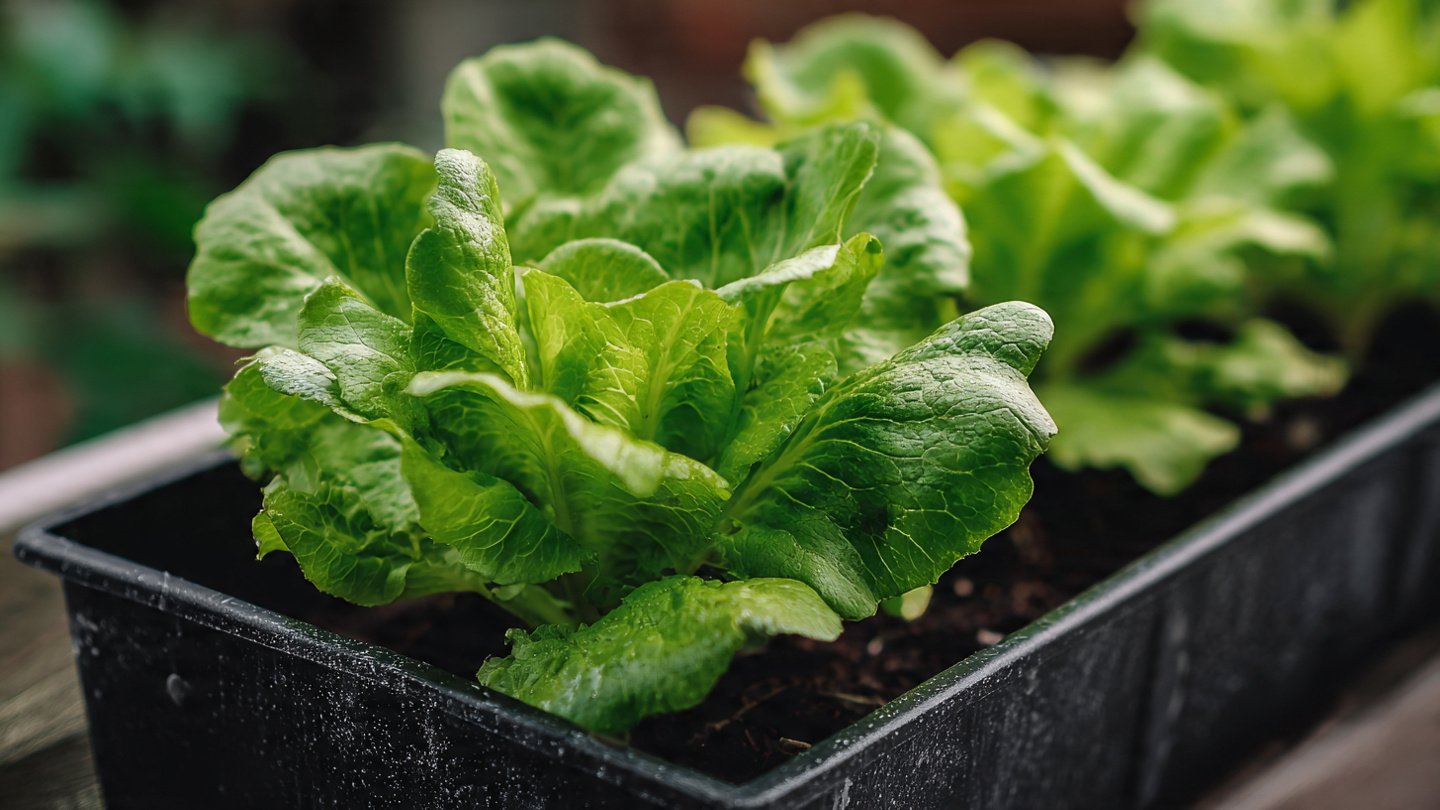
Fresh, tender baby lettuce leaves are one of the easiest and most rewarding crops you can grow at home. Known for their delicate texture, mild flavor, and fast growth, baby lettuce varieties are perfect for salads, sandwiches, wraps, and garnishes. Whether you have a backyard garden, balcony, terrace, or sunny windowsill, growing baby lettuce is simple, affordable, and beginner-friendly.
This easy guide walks you step by step through everything you need to know to grow lush, flavorful baby lettuce leaves right in your home garden.
Why Grow Baby Lettuce at Home?
Baby lettuce is harvested early—usually within 20 to 30 days—making it one of the fastest vegetables to grow. Home gardeners love it because:
- It grows quickly and continuously
- Requires very little space
- Thrives in containers and raised beds
- Has fewer pest problems than mature lettuce
- Tastes fresher and sweeter than store-bought greens
- Allows multiple harvests from one planting
With just a little care, you can enjoy fresh greens almost every week.
Understanding Baby Lettuce
Baby lettuce isn’t a separate plant variety—it’s simply lettuce harvested young. Almost all lettuce types can be grown as baby greens, including:
- Romaine
- Butterhead
- Loose-leaf lettuce
- Oakleaf
- Red leaf and green leaf lettuce
- Mesclun and mixed salad greens
Because they are harvested early, baby lettuce leaves are more tender, less bitter, and highly nutritious.
Step 1: Choose the Right Lettuce Varieties
For best results, select loose-leaf or cut-and-come-again varieties. These regrow easily after harvesting.
Best Lettuce Types for Baby Greens
- Black Seeded Simpson
- Buttercrunch
- Red Oakleaf
- Green Salad Bowl
- Lollo Rosso
- Mesclun mix
Avoid head-forming lettuces like iceberg if your goal is baby leaves.
Step 2: Pick the Perfect Growing Location
Baby lettuce prefers cool temperatures and gentle sunlight.
Ideal Conditions
- Sunlight: 4–6 hours of morning sun or bright indirect light
- Temperature: 10–22°C (50–72°F)
- Shade: Light afternoon shade in warm climates
Lettuce grows best during spring, fall, and mild winters. In hot climates, grow lettuce in partial shade or indoors.
Step 3: Prepare the Soil for Soft, Lush Leaves
Healthy soil is the key to tender baby lettuce.
Ideal Soil Requirements
- Loose and well-draining
- Rich in organic matter
- Slightly acidic to neutral (pH 6.0–7.0)
Best Soil Mix for Containers
- 40% garden soil
- 30% compost or vermicompost
- 20% coco peat or sand
- 10% aged manure
Avoid compacted soil, which restricts root growth and reduces leaf quality.
Step 4: Choose the Right Container or Bed
Baby lettuce doesn’t need deep soil.
Container Options
- Shallow pots (6–8 inches deep)
- Window boxes
- Grow bags
- Trays with drainage holes
Raised Beds
- Bed depth of 6–10 inches is sufficient
- Ensure good drainage
Wide containers work better than deep ones, allowing more plants per space.
Step 5: Sowing Lettuce Seeds Correctly
Lettuce seeds are small and easy to plant.
How to Sow Seeds
- Moisten the soil before planting
- Scatter seeds evenly over the surface
- Cover lightly with a thin layer of soil or compost
- Press gently and mist with water
Do not bury seeds deeply—they need light to germinate.
Spacing for Baby Lettuce
- Seeds can be sown close together
- Thin seedlings to about 2–3 inches apart
- Dense planting encourages smaller, tender leaves
Seeds usually germinate within 3–7 days.
Step 6: Watering for Tender Leaves
Consistent moisture is essential for sweet, soft lettuce.
Watering Tips
- Keep soil evenly moist, not soggy
- Water lightly every day or every other day
- Use a spray bottle or gentle watering can
- Avoid overhead splashing that can damage leaves
Dry soil leads to bitter, tough leaves, while overwatering causes root rot.
Step 7: Fertilizing for Healthy Growth
Baby lettuce doesn’t need heavy feeding, but light nutrition helps growth.
Best Fertilizers
- Compost tea (once every 10–14 days)
- Diluted seaweed or fish emulsion
- Vermicompost top dressing
Avoid high-nitrogen chemical fertilizers—they cause rapid growth but poor flavor.
Step 8: Managing Sun and Temperature
Lettuce is sensitive to heat.
Heat Management Tips
- Grow in partial shade during hot months
- Use shade cloth if temperatures exceed 25°C (77°F)
- Water in the early morning
- Mulch lightly to keep soil cool
Heat stress causes bolting, where lettuce turns bitter and stops producing leaves.
Step 9: Pest and Disease Prevention
Baby lettuce has fewer pest issues, but some care is needed.
Common Problems
- Aphids
- Slugs and snails
- Leaf miners
Natural Solutions
- Neem oil spray (lightly, once a week)
- Hand-pick pests
- Use crushed eggshells or sand for slug control
- Keep good airflow between plants
Avoid chemical pesticides since lettuce leaves are harvested young.
Step 10: Harvesting Baby Lettuce the Right Way
This is the most rewarding step!
When to Harvest
- 3–4 inches tall
- Usually 20–30 days after sowing
How to Harvest
- Use clean scissors or fingers
- Cut leaves about 1 inch above the soil
- Harvest outer leaves first
This method allows the plant to regrow for multiple harvests.
Step 11: Cut-and-Come-Again Harvesting
Baby lettuce regrows quickly.
Harvest Tips
- Harvest every 7–10 days
- Do not cut too close to the soil
- Stop harvesting once plants start bolting
With proper care, one sowing can give 3–4 harvests.
Step 12: Succession Planting for Continuous Supply
To enjoy lettuce all season long:
- Sow seeds every 10–14 days
- Use multiple containers
- Rotate planting locations
This ensures a steady supply of fresh baby greens without gaps.
Growing Baby Lettuce Indoors
Baby lettuce grows beautifully indoors.
Indoor Growing Tips
- Place near a bright window
- Use grow lights if needed (10–12 hours/day)
- Ensure airflow to prevent mold
- Water lightly but consistently
Indoor growing allows year-round harvests, even in extreme climates.
Common Mistakes to Avoid
- Overwatering or letting soil dry out
- Growing in full afternoon sun
- Using heavy fertilizers
- Harvesting too late
- Ignoring heat stress
Avoiding these mistakes keeps leaves tender and flavorful.
Nutritional Benefits of Baby Lettuce
Baby lettuce is rich in:
- Vitamins A, C, and K
- Iron and calcium
- Antioxidants
- Dietary fiber
Freshly harvested leaves retain maximum nutrition and flavor.
Conclusion
Growing luscious baby lettuce leaves at home is one of the easiest and fastest ways to enjoy fresh, healthy greens. With minimal space, simple tools, and basic care, even beginner gardeners can produce continuous harvests of tender, flavorful lettuce.
By choosing the right varieties, maintaining consistent moisture, managing temperature, and harvesting correctly, your home garden can supply crisp baby lettuce in just a few weeks. Whether grown in containers, raised beds, or indoors, baby lettuce is a perfect crop for gardeners who want quick results and delicious rewards.
Start planting today, and soon you’ll be enjoying fresh