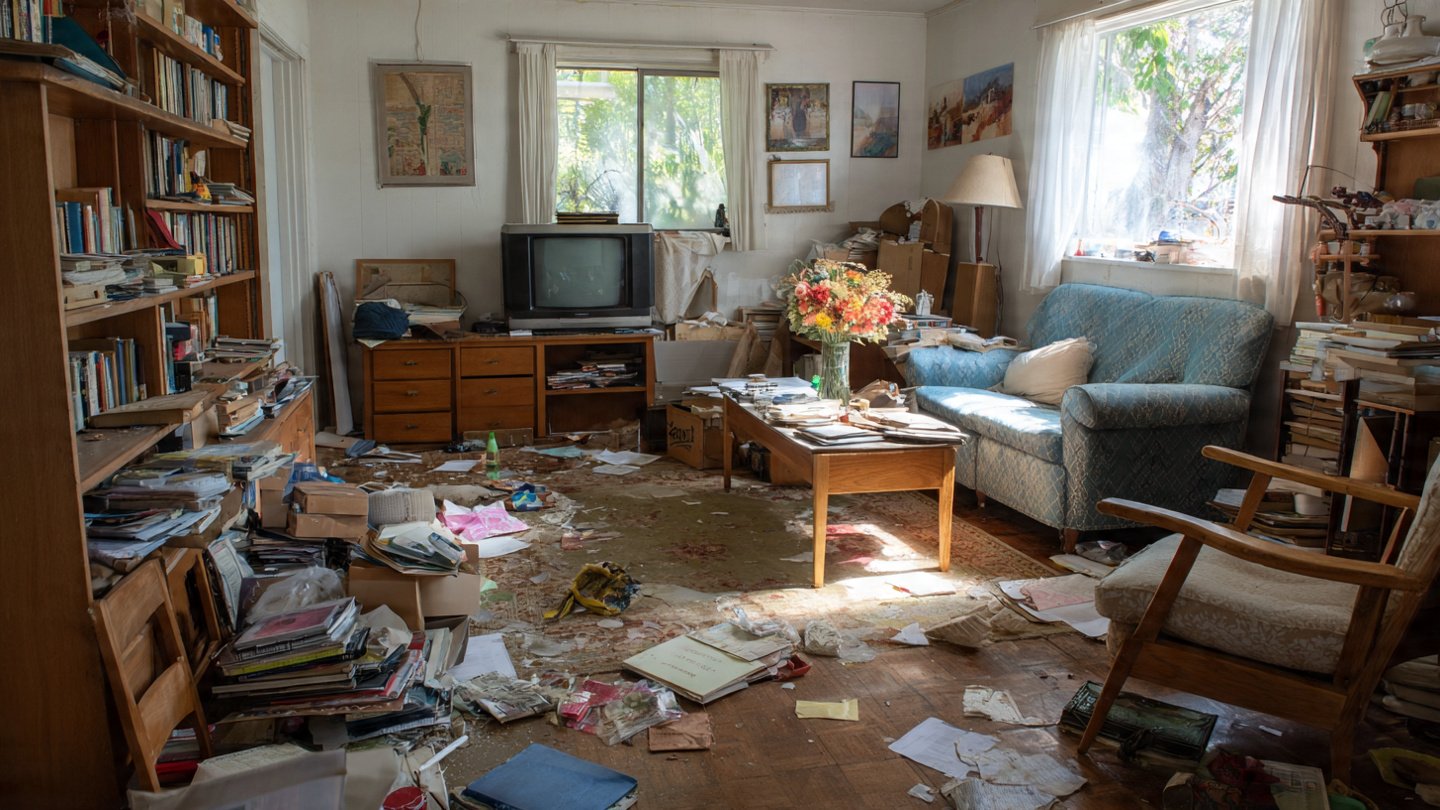
A tidy home is often associated with peace, comfort, and efficiency, yet the secret behind such order goes far beyond simple cleaning routines. Behind every well-organized living space lies a delicate interplay of psychology, habits, design, and lifestyle choices. Understanding this hidden order can transform how we approach our homes, turning them into sanctuaries that nourish both body and mind.
The Psychology of a Tidy Home
The first layer of hidden order is psychological. Humans are naturally drawn to patterns, symmetry, and predictability. A cluttered room often creates mental noise, triggering stress and distraction, while a clean, orderly space can evoke feelings of calm and control. Researchers have found that an organized environment can improve focus, productivity, and even creativity. For example, a clear desk encourages clearer thinking, while a neatly arranged kitchen can make cooking more enjoyable.
This psychological impact explains why some people naturally maintain tidy homes. They may not consciously aim to create order, but their brains find satisfaction in symmetry and alignment. On a deeper level, tidiness can serve as a form of self-expression, reflecting personal values such as discipline, care, and mindfulness.
Habits That Foster Hidden Order
The most visible aspect of a tidy home is the result of consistent habits. While deep cleaning sessions are valuable, the real magic happens in daily maintenance. Small routines, repeated over time, create an invisible structure that keeps a home organized.
Some essential habits include:
- Decluttering regularly: Periodically evaluating possessions prevents accumulation of items that don’t serve a purpose or bring joy. This aligns with the philosophy popularized by Marie Kondo, who encourages keeping only what sparks joy.
- Designated spaces: Every object should have a “home.” When keys, books, or kitchen utensils have a consistent place, it becomes easier to put them away, reducing visual chaos.
- Cleaning in small increments: Instead of tackling an entire house at once, short daily sessions—like wiping surfaces or tidying a single drawer—help maintain order without overwhelming effort.
- Mindful acquisition: Avoiding unnecessary purchases and prioritizing items of quality reduces clutter and simplifies organization.
These habits do not just make a space look neat; they create a predictable rhythm that underpins the hidden order in homes.
The Role of Design and Layout
Architecture and interior design are silent architects of order. Thoughtful layouts can subtly guide behaviors and facilitate tidiness. For instance, open shelving in kitchens encourages arranging dishes by frequency of use, while built-in closets with compartments promote efficient storage.
Lighting, color, and spatial arrangement also play a crucial role. Well-lit areas are easier to maintain, as messes are more visible and less likely to accumulate unnoticed. Neutral or harmonious color schemes can create a perception of calm, even in spaces that aren’t perfectly immaculate.
Furniture choice matters too. Multipurpose furniture, such as ottomans with storage or beds with drawers underneath, contributes to hidden order by making organization effortless. Essentially, design can act as an invisible helper, nudging occupants toward tidier habits without explicit effort.
Minimalism vs. Functional Tidy Homes
While minimalism has gained popularity, the hidden order behind a tidy home isn’t necessarily about owning less. Instead, it’s about intentionality and functionality. A home full of meaningful items can be tidy if each object serves a purpose or adds joy. Conversely, a minimalist space filled with neglected items or poorly stored objects can feel chaotic.
The key is intentional placement and mindful management. Books might be plentiful but neatly stacked; decorative items may line shelves but remain uncluttered. Every item interacts with the space to create balance, allowing the mind to perceive order even in a richly furnished environment.
Technology and the Modern Tidy Home
Modern technology has introduced new tools to maintain and enhance the hidden order of homes. Smart storage solutions, automated cleaning devices, and organizational apps have made it easier than ever to keep a house tidy without constant manual effort. Robotic vacuum cleaners, for example, quietly maintain floors, while apps can track inventory for pantry items, ensuring nothing is forgotten or overstocked.
Additionally, digital organization reduces mental clutter. Cloud storage for documents, virtual calendars, and task management tools free up physical space and reduce the cognitive load that comes with managing multiple responsibilities.
Emotional and Lifestyle Connections
A tidy home reflects not only organization but also emotional well-being. Cluttered spaces often mirror emotional clutter—unresolved stress, unfinished tasks, or conflicting priorities. Conversely, tidiness can foster emotional clarity, giving occupants a sense of control over their environment and, by extension, their lives.
Moreover, lifestyle patterns are deeply linked with home order. People who prioritize routines, self-care, and mindfulness tend to create homes that support these values. For example, a person who enjoys cooking may maintain a kitchen that is not only functional but also visually pleasing, promoting a healthier relationship with food preparation.
Hidden Order as a Form of Self-Care
Tidy homes are not just aesthetic; they are an extension of self-care. Creating and maintaining order can be a meditative practice, offering moments of mindfulness in everyday life. Folding laundry, arranging books, or wiping countertops can become small rituals that center the mind and provide a sense of accomplishment.
This approach also reframes tidiness as empowering rather than burdensome. Rather than perceiving cleaning and organizing as chores, they become opportunities to shape one’s environment in a way that enhances mood, focus, and creativity.
Social and Cultural Dimensions
The hidden order of homes is also influenced by cultural norms and social expectations. In many societies, cleanliness and organization are seen as indicators of responsibility and respect for others. Guests often judge homes based on their tidiness, which can subtly motivate homeowners to maintain order.
However, hidden order isn’t purely about impressing others—it also strengthens community and family bonds. Organized homes reduce stress in shared spaces, minimize conflicts over misplaced items, and foster an atmosphere of cooperation and harmony. Children growing up in orderly environments may develop better habits, learning to respect space and manage possessions effectively.
Practical Tips to Discover Hidden Order
Understanding the hidden order in homes is one thing; applying it is another. Here are practical strategies to uncover and enhance the structure behind tidiness:
- Assess and map your space: Walk through each room and note areas that feel chaotic or underutilized. Understanding the natural flow of the space helps identify where hidden order can emerge.
- Prioritize functionality: Arrange furniture and items based on usage patterns. Frequently used objects should be easily accessible; rarely used items can be stored out of sight.
- Create routines: Establish daily and weekly habits for cleaning, decluttering, and organizing. Even small, consistent efforts yield lasting results.
- Embrace adaptive solutions: Use storage containers, drawer organizers, and labeling systems to make tidying effortless. Flexible solutions accommodate changes over time.
- Reflect on emotional connections: Consider how items make you feel. Retaining objects that bring joy and releasing those that don’t enhances both visual and psychological order.
- Leverage natural tendencies: Humans are drawn to symmetry and patterns. Arranging objects in balanced layouts taps into this innate preference, creating a sense of order without strict rules.
Conclusion
The beauty of a tidy home extends far beyond appearances. It is a complex orchestration of psychology, habits, design, lifestyle, and emotional intelligence. Hidden order resides in the small decisions we make daily, the structures we build, and the mindfulness we bring to our surroundings. By recognizing and nurturing this hidden order, a home becomes more than just a living space—it becomes a sanctuary that supports well-being, creativity, and happiness.
Tidy homes are not about perfection; they are about balance and intentionality. They reveal a subtle truth: order is not imposed from the outside but cultivated from within. As we discover the hidden patterns that make homes harmonious, we unlock the potential to transform our living spaces into true reflections of ourselves—spaces that welcome us, calm us, and empower us to thrive.