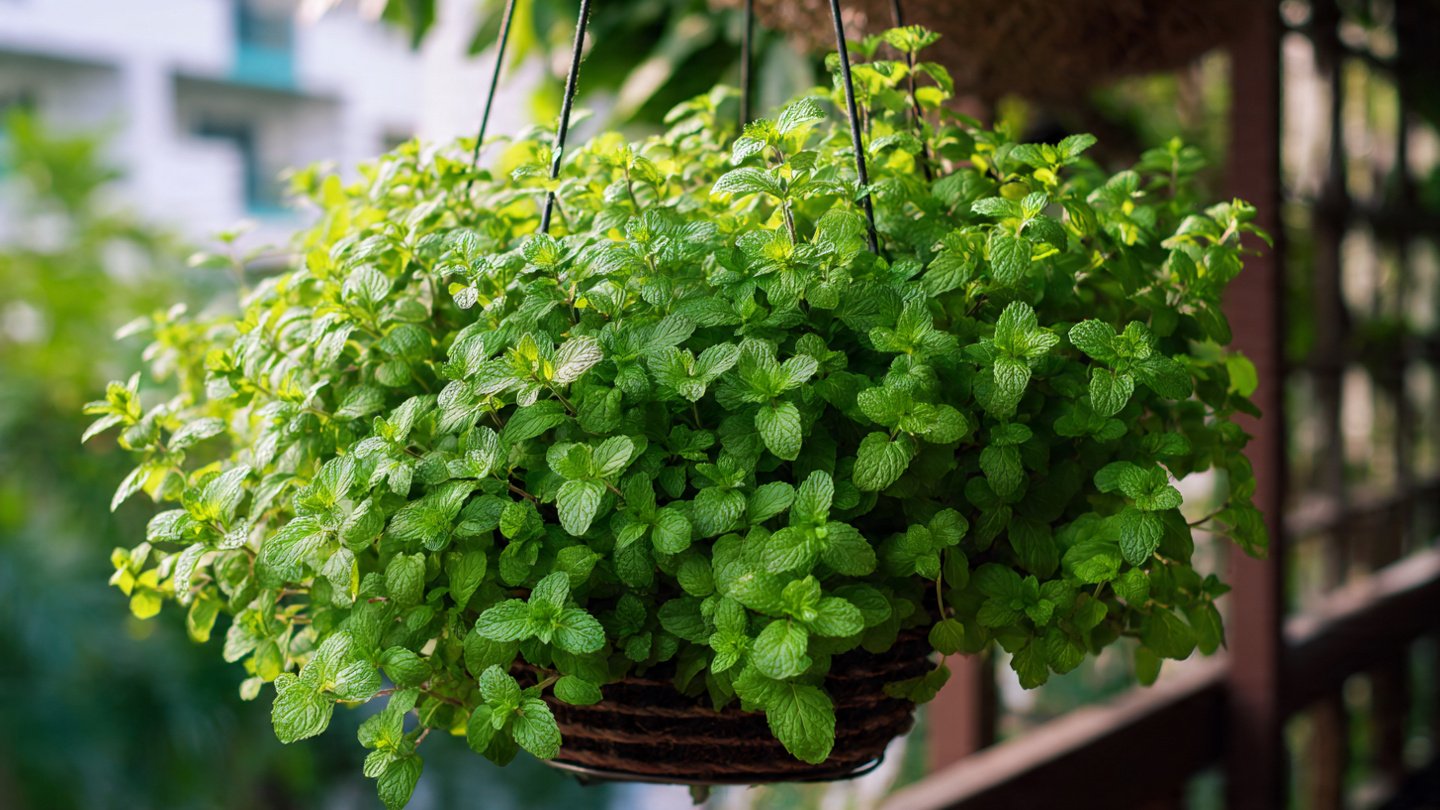
There’s something special about having fresh herbs at your fingertips all year round. Among the many herbs that gardeners love, mint stands out for its vibrant flavor, delightful aroma, and versatility in cooking, teas, and cocktails. But growing mint in a traditional garden bed can be tricky. Mint is notorious for spreading aggressively, often taking over your garden if left unchecked. That’s where hanging baskets come in—they’re a perfect solution to control growth while keeping this fragrant herb easily accessible.
In this guide, we’ll walk you through simple steps to successfully grow mint in a hanging basket so you can enjoy fresh herbal flavors throughout the year. Whether you’re a seasoned gardener or just starting, this approach will help you maintain a thriving mint plant without any fuss.
1. Choosing the Right Mint Variety
Before planting, it’s important to select the right type of mint. There are several varieties, each with its own flavor profile:
- Spearmint – Sweet, mild, and commonly used in cooking and drinks like mojitos.
- Peppermint – Stronger, more pungent flavor ideal for teas, desserts, and medicinal uses.
- Chocolate mint – Has a subtle chocolate aroma, great for unique beverages and desserts.
- Apple mint – Fruity and mild, excellent for salads or fresh garnish.
Choose a variety that matches your taste preferences and intended uses. You can even mix a few types in separate baskets if you want a variety of flavors at hand.
2. Selecting the Perfect Hanging Basket
The container you choose plays a vital role in the health and growth of your mint plant. Hanging baskets offer excellent drainage, air circulation, and accessibility. Here’s what to look for:
- Size: A basket around 10–12 inches in diameter is ideal for one mint plant. Mint spreads quickly, so giving it space is essential.
- Material: Lightweight materials like plastic or resin are convenient for hanging. Coco liners or woven baskets provide natural drainage and airflow.
- Drainage: Ensure the basket has ample drainage holes. Mint roots don’t like sitting in waterlogged soil, which can lead to root rot.
A hanging basket not only keeps your mint contained but also creates a beautiful display, bringing greenery and aroma to your porch, balcony, or kitchen window.
3. Using the Right Soil
Mint thrives in rich, well-draining soil with plenty of organic matter. For hanging baskets, a high-quality potting mix is perfect. Here’s what to keep in mind:
- Lightweight mix: Hanging baskets benefit from a lightweight potting mix that allows roots to breathe and drains excess water.
- Organic matter: Incorporate compost or worm castings to provide nutrients and promote healthy growth.
- Moisture retention: A mix with peat moss or coco coir helps retain moisture without becoming soggy.
Avoid using garden soil, which can be too dense for baskets and may harbor pests or diseases.
4. Planting Mint in the Basket
Once you have your basket and soil ready, it’s time to plant. Here’s a step-by-step guide:
- Fill the basket: Add potting mix up to about an inch below the rim. Lightly firm the soil but don’t compact it.
- Prepare the mint plant: If using a nursery plant, gently loosen the roots before planting. For cuttings, remove lower leaves and plant directly in soil.
- Planting: Place the mint in the center of the basket. Fill around the roots with soil, pressing gently to eliminate air pockets.
- Water thoroughly: After planting, water until it drains through the bottom holes. This settles the soil and ensures the roots get off to a good start.
Planting in the center allows the mint to grow evenly around the basket and trail naturally over the edges, creating a lush, cascading effect.
5. Choosing the Ideal Location
Mint thrives in locations with the right balance of sunlight and shade:
- Sunlight: Mint prefers partial sun to partial shade. Around 4–6 hours of sunlight per day is ideal. Too much direct sun can dry out the leaves, while too little light can make growth slow and weak.
- Air circulation: Hanging baskets should be in areas with good airflow to prevent fungal diseases. Avoid crowded or stagnant spots.
- Accessibility: Choose a location where you can easily reach the mint for harvesting and watering. A balcony, patio, or near your kitchen window works perfectly.
Remember, mint is forgiving, but the better the conditions, the more vigorous and flavorful your plant will be.
6. Watering Your Mint Plant
Consistent moisture is key to growing mint successfully. Hanging baskets dry out faster than ground containers, so regular watering is essential.
- Check daily: Stick your finger into the soil; it should feel moist but not soggy. Water when the top inch feels dry.
- Avoid waterlogging: Overwatering can lead to root rot. Ensure excess water drains freely.
- Humidity boost: In dry climates, misting the leaves occasionally can keep your mint fresh and aromatic.
A well-watered mint plant will thrive, producing abundant leaves for harvesting.
7. Feeding and Fertilizing
Mint is a fast-growing herb that appreciates nutrients. Feeding your plant helps maintain healthy, flavorful leaves:
- Balanced liquid fertilizer: Use a water-soluble fertilizer every 3–4 weeks during the growing season.
- Organic options: Compost tea or diluted fish emulsion works wonderfully for mint.
- Avoid over-fertilizing: Too much fertilizer can cause leaves to lose their flavor and aroma.
Regular feeding ensures your mint grows lush and vibrant, ready for culinary use whenever you need it.
8. Pruning and Harvesting
Pruning is essential for maintaining a tidy, productive mint plant in a hanging basket:
- Pinch regularly: Snip the tips of the stems to encourage bushier growth. This prevents the plant from becoming leggy.
- Harvest leaves frequently: Use scissors to cut sprigs as needed. Harvesting stimulates new growth and keeps the plant compact.
- Remove flowers: If your mint starts to flower, pinch off the blooms. Flowering diverts energy from leaf production and can alter the flavor.
By pruning and harvesting properly, you can enjoy fresh, aromatic leaves year-round.
9. Preventing Common Problems
Even hardy herbs like mint can face issues if not cared for. Here’s how to avoid common problems:
- Pests: Aphids and spider mites are common. Spray with a gentle insecticidal soap or rinse with water to remove pests.
- Fungal diseases: Overcrowding and poor airflow can cause mildew. Maintain proper spacing and avoid wetting leaves excessively.
- Leggy growth: Insufficient light or irregular pruning can lead to sparse stems. Regularly pinch back and ensure adequate sunlight.
A little attention goes a long way in keeping your mint healthy and productive.
10. Tips for Year-Round Growth
Mint can grow year-round with the right care:
- Indoor growth: During winter, bring your hanging basket indoors near a sunny window. A south-facing window works best for light.
- Supplemental light: If natural light is limited, use grow lights to maintain growth.
- Temperature: Mint prefers moderate temperatures. Keep it away from drafts and heaters.
- Rotation: Rotate the basket occasionally to ensure even light exposure on all sides.
With these practices, you can enjoy fresh mint throughout every season, enhancing meals, drinks, and homemade remedies alike.
Conclusion
Growing mint in a hanging basket is a simple, rewarding way to enjoy fresh herbs all year round. From selecting the right variety and basket to proper soil, watering, and pruning, each step contributes to a thriving, flavorful plant. Hanging baskets not only control the aggressive growth of mint but also create a visually appealing display, bringing greenery and freshness to your home or balcony.
By following these simple steps, you can transform your space into a mini herb garden where aromatic, delicious mint is always within reach. Whether for teas, culinary creations, or refreshing beverages, your hanging basket mint will provide endless flavors, making every meal a little more delightful and every day a little fresher.