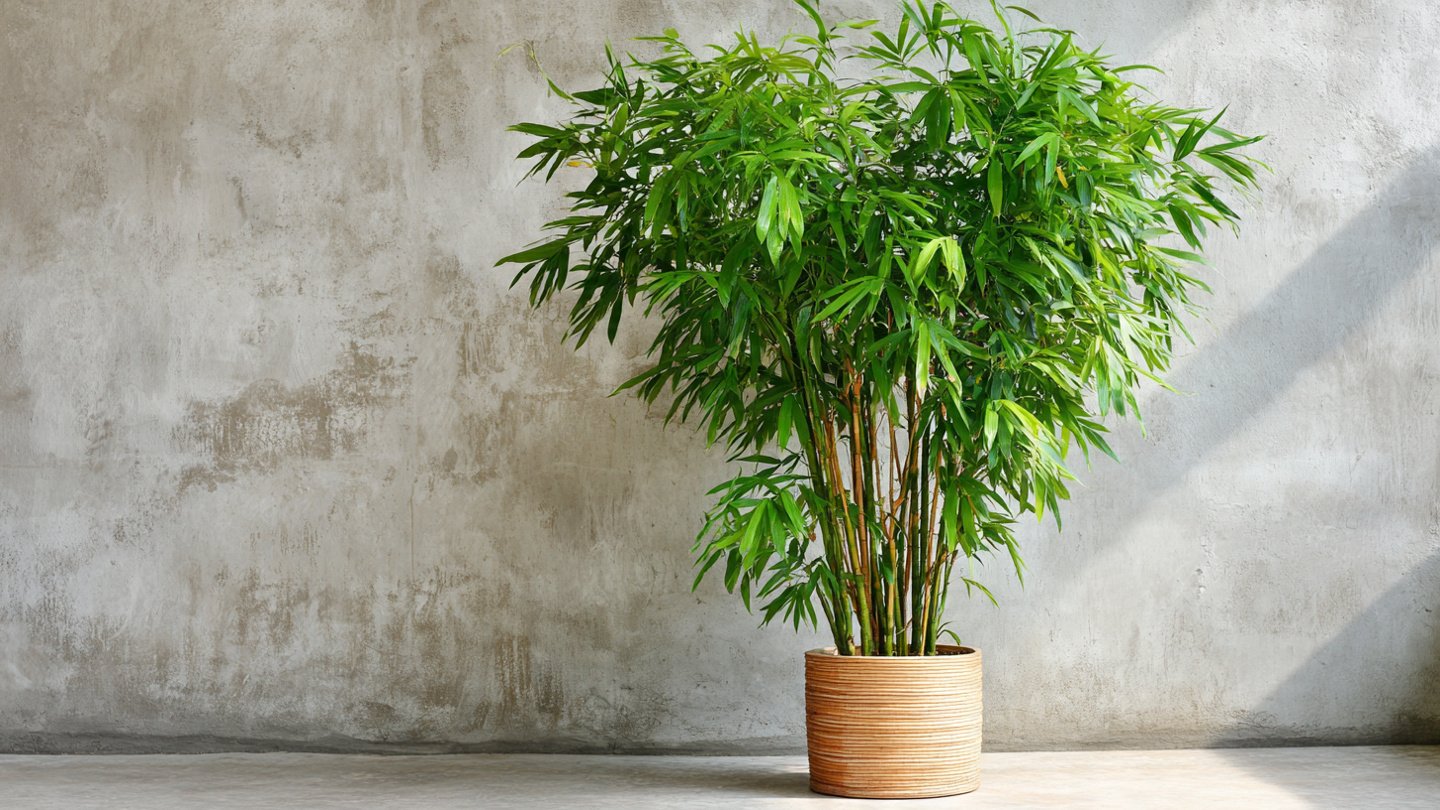
The Bamboo Palm (Chamaedorea seifrizii) is a popular houseplant admired for its graceful, feathery fronds and ability to purify indoor air. With minimal effort, it can transform any indoor space into a lush, tropical oasis. However, like all plants, Bamboo Palms thrive best when you understand their specific needs and follow a consistent care routine. By adopting a few simple steps, you can keep your Bamboo Palm healthy, vibrant, and lush all year round.
Understanding the Bamboo Palm
Before diving into care tips, it’s important to understand why the Bamboo Palm is a favorite among indoor gardeners.
- Low Maintenance: Unlike many tropical plants, the Bamboo Palm is relatively forgiving and adapts well to indoor environments.
- Air Purifier: NASA studies highlight Bamboo Palm’s ability to remove toxins such as formaldehyde and benzene from indoor air, improving your home’s air quality.
- Aesthetic Appeal: Its tall, elegant fronds add a touch of greenery to corners, office spaces, and living rooms, creating a serene, tropical ambiance.
- Compact Growth: Bamboo Palms grow slowly and maintain a manageable size indoors, making them perfect for pots and small spaces.
Understanding the plant’s natural environment—humid, shaded forests of Central America—helps guide your care routine, ensuring it thrives in your home.
Step 1: Choosing the Right Pot and Soil
A healthy Bamboo Palm starts with a good foundation: the right pot and soil.
- Pot Selection: Choose a pot with good drainage holes. Bamboo Palms dislike waterlogged soil, which can cause root rot. Avoid overly large pots; Bamboo Palms prefer slightly snug roots.
- Soil Type: Use a well-draining, peat-based potting mix. You can mix standard potting soil with sand or perlite to improve drainage. Avoid heavy clay soils that retain too much moisture.
Proper soil and pot selection ensures your plant has the right environment for roots to grow strong and healthy.
Step 2: Perfect Light Conditions
Bamboo Palms prefer bright, indirect light, which mimics their natural understory environment.
- Ideal Placement: Place your palm near a north- or east-facing window, or in a bright room with filtered sunlight.
- Avoid Direct Sunlight: Direct sun can scorch the leaves, causing yellowing or browning.
- Low Light Tolerance: Bamboo Palms tolerate low-light conditions but will grow more slowly. For indoor corners, consider rotating the plant occasionally to ensure even light exposure.
Monitoring light ensures your Bamboo Palm maintains vibrant green foliage throughout the year.
Step 3: Consistent Watering
Watering is key to Bamboo Palm health. Overwatering or underwatering are the most common reasons for leaf yellowing and drop.
- Frequency: Water when the top inch of soil feels dry to the touch. Typically, this is once a week, but it may vary depending on indoor temperature and humidity.
- Method: Water slowly until excess drains from the bottom of the pot. Never let the plant sit in standing water.
- Humidity Consideration: Bamboo Palms thrive in humidity. Mist the fronds occasionally, especially in dry indoor climates, to mimic the plant’s natural environment.
Consistent, careful watering keeps leaves lush and prevents stress that can slow growth or invite pests.
Step 4: Proper Fertilization
Regular feeding provides essential nutrients for healthy growth.
- Type: Use a balanced, water-soluble houseplant fertilizer with equal parts nitrogen, phosphorus, and potassium.
- Frequency: Fertilize every 4–6 weeks during spring and summer, when growth is active. Reduce feeding during fall and winter when the plant grows more slowly.
- Method: Dilute fertilizer to half the recommended strength to avoid overfeeding, which can burn roots.
Fertilization ensures your Bamboo Palm maintains deep green fronds and supports new growth year-round.
Step 5: Pruning and Cleaning
Pruning is essential for maintaining a tidy, lush Bamboo Palm.
- Remove Yellow or Brown Leaves: Trim leaves at the base using clean, sharp scissors. This prevents decay and keeps the plant looking vibrant.
- Trim Dead Stems: If stems become weak or dry, remove them to redirect energy to healthy growth.
- Clean Fronds: Dust accumulates on leaves, which can block light and reduce photosynthesis. Wipe fronds gently with a damp cloth or rinse with lukewarm water.
Regular pruning encourages fuller growth and keeps the Bamboo Palm looking fresh and healthy.
Step 6: Repotting When Necessary
While Bamboo Palms prefer slightly snug pots, they still need room to grow. Repotting every 2–3 years ensures healthy root development.
- Signs You Need to Repot: Roots growing out of drainage holes, slow growth, or soil that dries too quickly are indicators.
- Repotting Method: Move the plant to a slightly larger pot (1–2 inches wider). Refresh the soil with a well-draining mix. Avoid planting too deeply—keep the base of the stems at the soil surface.
Repotting rejuvenates your Bamboo Palm, providing fresh nutrients and space for growth.
Step 7: Pest Prevention and Control
Bamboo Palms are relatively resistant to pests, but indoor conditions can sometimes attract problems like spider mites, mealybugs, or scale insects.
- Early Detection: Inspect leaves regularly, especially the undersides, for any signs of pests.
- Natural Remedies: Wipe fronds with a mixture of water and mild soap. For infestations, neem oil or insecticidal soap works effectively.
- Maintain Humidity: Dry air encourages pests like spider mites. Mist fronds and use a humidifier if necessary.
Keeping pests under control ensures the plant remains lush and disease-free.
Step 8: Maintain Proper Temperature
Bamboo Palms thrive in moderate indoor temperatures similar to their tropical origins.
- Ideal Range: 65–80°F (18–27°C) during the day and slightly cooler at night.
- Avoid Drafts: Keep your palm away from cold drafts, heaters, or air conditioning vents, which can stress the plant.
- Consistency Matters: Sudden temperature swings can cause leaf drop or slow growth.
Stable temperatures help Bamboo Palms grow steadily and maintain lush foliage year-round.
Step 9: Encourage Growth Naturally
- Rotate the Plant: Turning your plant every few weeks ensures all sides receive light, preventing uneven growth.
- Prune Strategically: Removing older stems allows more energy for new fronds, keeping the plant dense and full.
- Provide Support: For taller Bamboo Palms, support weak stems with stakes to encourage upright growth.
These small, ongoing habits help your Bamboo Palm remain vibrant and visually appealing.
Step 10: Seasonal Care Adjustments
While Bamboo Palms require consistent care year-round, minor seasonal adjustments help optimize growth:
- Spring & Summer: Active growth season—fertilize more frequently, increase watering, and ensure adequate humidity.
- Fall & Winter: Growth slows—reduce watering and fertilization, but continue dusting and inspecting for pests.
Adapting care to seasonal changes ensures your Bamboo Palm stays healthy and lush throughout the year.
Benefits of Growing Bamboo Palm Indoors
- Air Purification: Removes toxins and improves indoor air quality.
- Stress Reduction: The lush greenery creates a calming, tropical ambiance.
- Decorative Versatility: Works in corners, offices, and living spaces, complementing any décor style.
- Low Maintenance: With proper care, it thrives even with minimal attention.
By following these simple steps, your Bamboo Palm becomes more than just a plant—it transforms your indoor space and enhances your well-being.
Conclusion
Growing a healthy and lush Bamboo Palm year-round is easier than it seems. By following these simple steps—choosing the right pot and soil, providing proper light, consistent watering, regular fertilization, pruning, pest control, repotting when needed, maintaining temperature, and adapting care seasonally—you can ensure your Bamboo Palm thrives indoors.
This elegant plant not only beautifies your space but also improves air quality, reduces stress, and adds a touch of tropical luxury to your home. With a little daily attention and a consistent routine, your Bamboo Palm will reward you with lush, vibrant foliage that brings life and serenity to your indoor environment throughout the year.
Start today, follow these steps consistently, and watch as your Bamboo Palm flourishes, becoming a centerpiece of natural beauty in your home.