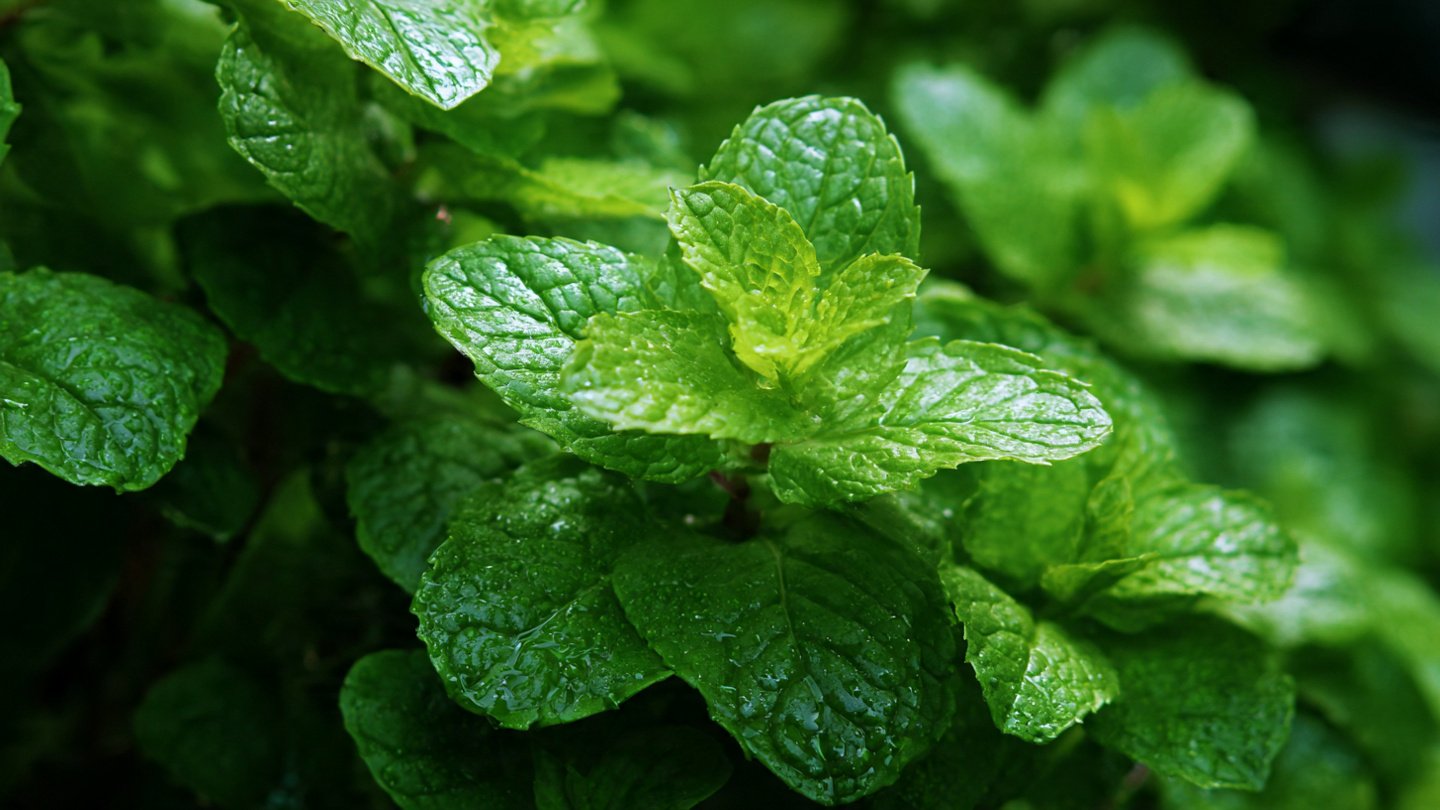
Mint is one of the most popular herbs worldwide, cherished for its refreshing aroma, culinary versatility, and medicinal benefits. From tea and desserts to cocktails and sauces, mint elevates dishes with its bright, cooling flavor. While mint is often grown in sunny gardens, it can surprisingly thrive in shady areas—making it a perfect herb for those with limited sunlight.
Many gardeners struggle with growing mint in shade, worrying that low light will stunt its growth or reduce aroma and leaf size. The truth is, with proper care and understanding of its requirements, mint can flourish even in partial or full shade. In this guide, we’ll explore the secrets to growing mint successfully in shady areas, helping you enjoy a lush, aromatic herb garden all year round.
Why Grow Mint in Shady Areas?
Shady areas are often overlooked in gardening, but they provide unique advantages for mint cultivation:
- Temperature Control: Shade protects mint from scorching sun, which can burn delicate leaves.
- Moisture Retention: Soil in shady spots retains moisture longer, reducing the need for frequent watering.
- Weed Suppression: Shaded areas are less prone to aggressive weeds, giving mint a competitive advantage.
- Utilization of Unused Space: Corners under trees, fences, or pergolas can become productive herb zones.
By optimizing care for shady conditions, you can transform underutilized garden spots into vibrant mint patches.
Selecting the Right Mint Variety
Not all mint varieties perform equally well in shade. Choosing the right type increases your chances of success:
- Spearmint (Mentha spicata): Mild flavor, vigorous growth, tolerates partial shade.
- Peppermint (Mentha × piperita): Strong, refreshing aroma; thrives in moist, shaded areas.
- Chocolate Mint (Mentha × piperita f. citrata): Subtle cocoa notes; does well in shade.
- Apple Mint (Mentha suaveolens): Soft, fruity flavor; adapts to low-light conditions.
- Pineapple Mint (Mentha suaveolens ‘Variegata’): Decorative, variegated leaves; ideal for shady containers.
Choose varieties suited to your climate, taste preference, and container or garden setting.
Preparing the Soil for Shady Mint
Mint is a hardy herb but performs best in nutrient-rich, well-draining soil:
- Soil Type: Loamy or sandy soil is ideal. Avoid heavy clay, which retains too much water.
- Soil pH: Slightly acidic to neutral (6.0–7.0) promotes healthy growth.
- Amendments: Add compost or organic matter to improve fertility and moisture retention.
- Drainage: Even in shade, waterlogged soil can rot roots, so ensure proper drainage.
Tip: If growing in containers, choose a pot with drainage holes and a good-quality potting mix enriched with compost.
Planting Mint in Shady Areas
Mint is best grown from cuttings or rooted plants rather than seeds, as seeds can be slow and unpredictable:
- From Cuttings:
- Take 3–4 inch cuttings from a healthy mint plant.
- Remove the lower leaves and place the cutting in water until roots develop.
- Plant the rooted cutting in soil or a container.
- From Nursery Plants:
- Select healthy, pest-free mint plants.
- Space plants 12–18 inches apart to allow air circulation.
- Plant slightly deeper than the root ball to ensure stability.
Containers in Shade: If space is limited, use pots or troughs. Mint grows vigorously and can quickly become invasive, so containers help contain its spread.
Watering and Moisture Tips
Shaded areas retain moisture better than sunny spots, but mint still requires consistent watering:
- Frequency: Water when the top inch of soil feels dry.
- Method: Water at the base, avoiding wetting leaves to prevent fungal diseases.
- Mulching: Apply a layer of organic mulch (straw, leaves, or bark) to retain moisture and keep roots cool.
Overwatering can cause root rot, while underwatering may stunt growth. Balance is key for healthy mint in shady conditions.
Light Requirements and Adaptation
Although mint tolerates shade, some light is still necessary:
- Partial Shade: 3–5 hours of indirect sunlight daily produces optimal growth and aroma.
- Full Shade: Mint can survive with minimal light but may grow slower and produce smaller leaves.
- Adaptive Growth: Mint leaves become greener and more tender in shade. Some varieties may grow taller as they reach for light, which is normal.
Positioning containers or planting near dappled sunlight areas can enhance growth without exposing leaves to harsh sun.
Fertilizing Mint in Shade
Mint is a fast-growing herb that benefits from regular feeding:
- Balanced Fertilizer: Apply a diluted liquid fertilizer every 4–6 weeks during the growing season.
- Organic Fertilizer: Compost tea, fish emulsion, or well-rotted manure encourages lush foliage without over-stimulating growth.
- Avoid Over-Fertilization: Excess nitrogen can cause rapid leafy growth but reduce essential oils, decreasing flavor and aroma.
Shady mint grows more slowly, so moderate feeding supports healthy, fragrant leaves.
Pruning and Harvesting
Regular pruning keeps mint healthy and productive:
- Pruning Frequency: Trim back stems every 4–6 weeks to encourage bushy growth.
- Pinching Tips: Pinch off flower buds to redirect energy into leaf growth. Flowers are beautiful but reduce harvestable leaves.
- Harvesting: Snip 3–4 inches of stem for cooking, tea, or drying. Always leave 2–3 sets of leaves to allow regrowth.
Pruning and harvesting stimulate new growth, keeping your mint lush and full.
Controlling Pests and Diseases
Shady areas can retain humidity, which may encourage pests and fungal issues:
- Common Pests: Aphids, spider mites, and whiteflies.
- Control: Spray with water or use neem oil.
- Fungal Diseases: Powdery mildew or leaf spot can occur in humid conditions.
- Prevention: Ensure good airflow, prune overcrowded stems, and avoid overhead watering.
Healthy soil, proper spacing, and careful watering minimize these risks.
Tips for Thriving Mint in Shady Areas
- Use Containers: Contain aggressive spread and move plants for better light.
- Rotate Pots: If in containers, rotate occasionally for even growth.
- Regular Harvesting: Frequent harvesting keeps mint bushy and encourages new shoots.
- Mulch: Maintain soil moisture and protect roots from temperature fluctuations.
- Companion Planting: Plant mint with shade-tolerant herbs like parsley or cilantro.
- Fertilize Moderately: Avoid excess nitrogen to maintain flavor and aroma.
With these practices, mint in shade can be just as productive and aromatic as in sunny areas.
Benefits of Growing Mint at Home
Growing mint at home, especially in shaded areas, offers multiple advantages:
- Culinary Uses: Enhance teas, desserts, salads, sauces, and drinks.
- Medicinal Properties: Mint aids digestion, reduces nausea, and soothes headaches.
- Aromatic: Fresh leaves provide natural fragrance in kitchens, patios, or indoor gardens.
- Low Maintenance: Mint is hardy and fast-growing, even in shade.
- Aesthetic Appeal: Its lush green foliage adds beauty to shaded corners of your garden.
By growing mint in shaded spots, you maximize space while enjoying fresh herbs year-round.
Conclusion
Growing mint in shady areas is not only possible but can be highly rewarding. By choosing the right variety, preparing well-draining soil, watering consistently, pruning regularly, and managing pests, you can cultivate a healthy, fragrant, and productive mint patch.
Shaded areas in your garden or home, often overlooked, can become lush herb havens with mint as the centerpiece. Whether for cooking, tea, medicinal use, or fragrance, mint thrives with minimal sunlight when provided with proper care.
Start growing mint in your shady corners today and enjoy a vibrant, aromatic, and flavorful herb garden, even in areas that receive little direct sunlight. With patience and attention, you’ll soon have a lush mint patch ready for harvest all year round, turning any shady space into a thriving garden oasis.