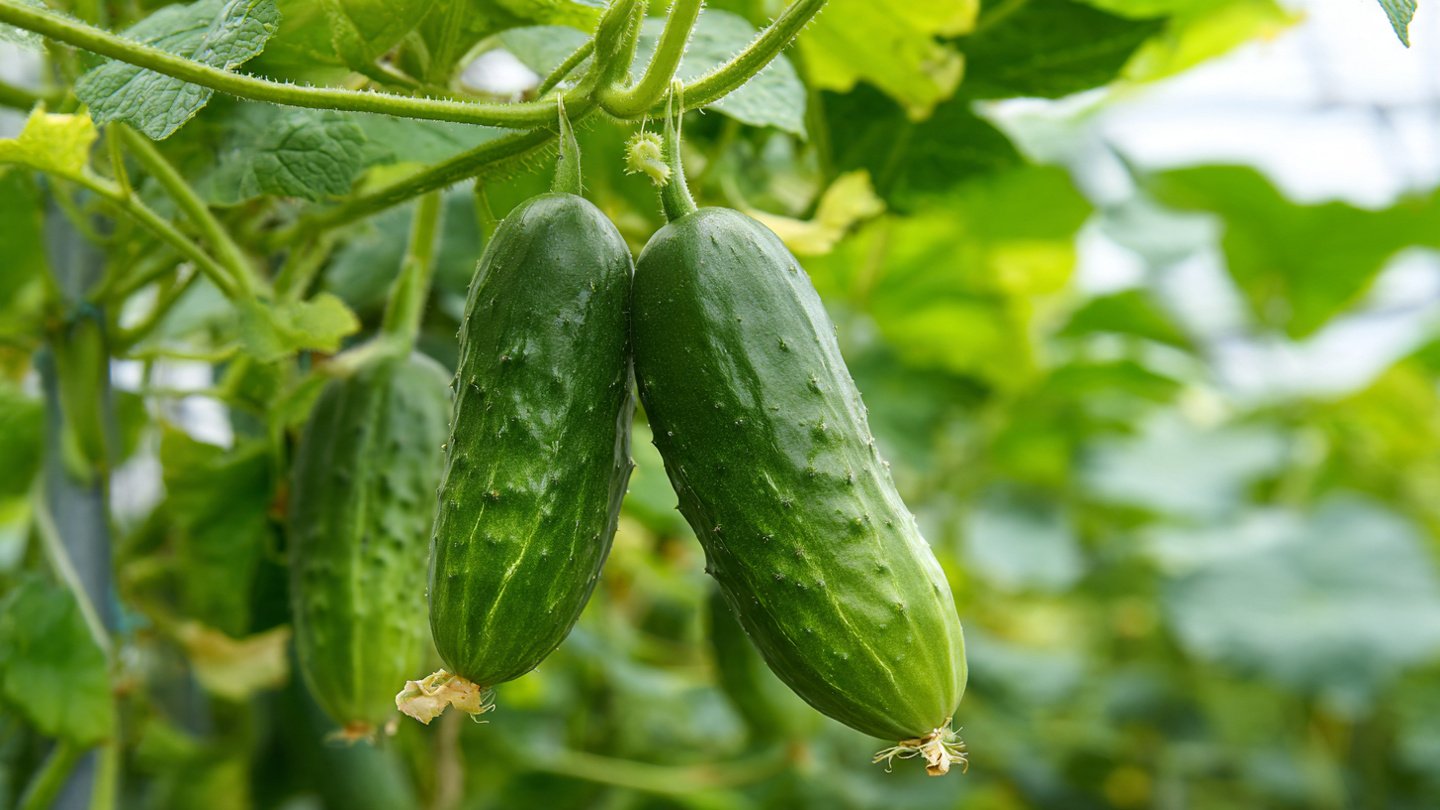
Cucumbers are one of the most refreshing and versatile vegetables to grow in your garden. From crisp salads to pickles, their uses are endless. However, gardeners often encounter a frustrating issue: cucumbers that taste bitter. Bitter cucumbers are not only unpleasant to eat but can also be a sign of stress in the plant. The good news is that bitterness in cucumbers is preventable with the right approach. By understanding the causes and applying a few simple cultivation methods, you can consistently harvest sweet, crisp, and flavorful cucumbers.
1. Understanding Why Cucumbers Turn Bitter
Before addressing the solution, it’s important to understand the reason behind cucumber bitterness. The primary cause is cucurbitacin, a naturally occurring chemical in cucumbers and other cucurbit plants like squash and melons. While cucurbitacin serves as a defense mechanism against pests, excessive production in cucumber fruits leads to a strong, bitter taste.
The amount of cucurbitacin in cucumbers can increase due to stress factors, such as:
- Inconsistent watering: Irregular water supply can stress the plant, triggering increased cucurbitacin production.
- High temperatures or heat stress: Extremely hot weather can make cucumbers bitter.
- Over-fertilization, particularly with nitrogen: Excess nitrogen promotes rapid vegetative growth, leading to stress in fruit production.
- Improper pollination: Poorly pollinated flowers can produce bitter or deformed cucumbers.
Understanding these stress factors is key to preventing bitterness in your harvest.
2. Choosing the Right Variety
One of the simplest ways to avoid bitterness is by selecting cucumber varieties that are naturally low in cucurbitacin. Modern hybrid cucumber varieties have been specifically bred to produce fruits with a sweet, mild flavor.
- Pickling cucumbers: Varieties like ‘Boston Pickling’ and ‘National Pickling’ are less likely to be bitter.
- Slicing cucumbers: ‘Marketmore 76’ and ‘Straight Eight’ are popular non-bitter varieties for fresh consumption.
- Seed selection: Always purchase seeds from a reputable source, ensuring that the variety is labeled as “non-bitter” or “burpless.”
Starting with the right variety sets the stage for a consistently flavorful crop.
3. Optimal Planting Conditions
Cucumbers thrive in warm, sunny environments, but planting conditions play a major role in fruit quality. Proper soil preparation and spacing can prevent stress that leads to bitterness.
- Soil requirements: Cucumbers prefer well-draining, fertile soil rich in organic matter. A slightly acidic to neutral pH (6.0–7.0) is ideal.
- Sunlight: At least 6–8 hours of direct sunlight per day is crucial. Inadequate light can stress the plant and affect fruit flavor.
- Spacing: Allow enough space for air circulation—typically 12–18 inches between plants for bush varieties and 36–60 inches for vining types. Crowded plants are prone to stress, disease, and poor fruit development.
By creating a comfortable growing environment, cucumbers are less likely to experience the stress that causes bitterness.
4. Consistent Watering Practices
Water stress is one of the most common causes of bitter cucumbers. Plants that experience irregular watering respond by producing cucurbitacin.
- Deep watering: Provide 1–2 inches of water per week, ideally in the morning to reduce evaporation.
- Mulching: Apply organic mulch like straw or compost around the base of the plant to retain moisture and regulate soil temperature.
- Avoid overhead watering: Watering at the base reduces leaf diseases and keeps the plant healthy.
Maintaining a consistent water supply ensures that cucumber plants remain hydrated and stress-free, directly improving fruit flavor.
5. Balanced Fertilization
Fertilizing cucumbers properly is critical for growth and flavor. Over-fertilizing, especially with nitrogen-rich fertilizers, can lead to rapid leaf growth while reducing fruit quality.
- Use a balanced fertilizer: A formula like 10-10-10 (N-P-K) supports overall plant health.
- Incorporate compost: Organic matter improves soil structure, retains moisture, and provides slow-release nutrients.
- Timing: Fertilize at planting and again when flowers begin to form. Avoid excessive nitrogen during fruiting.
Balanced nutrition allows cucumbers to develop sweet, crisp fruits instead of bitter-tasting ones.
6. Proper Pollination
Cucumbers require pollination to produce healthy, non-bitter fruits. Poorly pollinated flowers can result in bitter, misshapen cucumbers.
- Encourage pollinators: Plant flowers nearby to attract bees and other pollinators. Marigolds, nasturtiums, and sunflowers are excellent companions.
- Hand pollination: If pollinators are scarce, use a small brush to transfer pollen from male flowers to female flowers.
- Identify flowers correctly: Male flowers usually appear first and have a straight stem, while female flowers develop a small swelling at the base that becomes the fruit.
Ensuring effective pollination reduces stress on the plant and improves fruit flavor.
7. Regular Pruning and Training
While cucumbers are vigorous growers, proper pruning and training improve airflow, reduce disease, and prevent fruit stress.
- Remove damaged or yellow leaves: This directs energy to healthy fruits.
- Train vining varieties: Use trellises to keep fruits off the ground, allowing them to grow evenly and avoid disease stress.
- Limit overcrowding: Thin out crowded shoots to prevent competition and ensure each cucumber receives sufficient nutrients.
Healthy plants are less likely to produce bitter fruits, making pruning an essential step for flavor control.
8. Harvesting at the Right Time
Even with perfect growing conditions, leaving cucumbers on the vine too long can result in bitterness.
- Check fruit size: Most slicing cucumbers are best harvested when 6–8 inches long, while pickling varieties should be 2–4 inches.
- Look for firmness: Cucumbers should be firm, bright green, and free from yellow spots.
- Harvest regularly: Frequent picking encourages the plant to produce more fruits while maintaining quality.
Timely harvesting ensures that cucumbers remain sweet and crisp rather than turning bitter due to over-ripening.
9. Avoiding Environmental Stress
Environmental factors play a significant role in fruit flavor. Excessive heat, drought, or sudden changes in weather can trigger cucurbitacin production.
- Shade during extreme heat: Use shade cloths during periods of intense sunlight.
- Wind protection: Plant windbreaks or use fences to reduce plant stress caused by strong winds.
- Monitor soil temperature: Mulching can help regulate soil temperature, keeping roots cool and hydrated.
By mitigating environmental stress, cucumbers can grow under optimal conditions, producing better-tasting fruits.
10. The Simple Method Summarized
To grow cucumbers free from bitterness, follow these straightforward steps:
- Choose non-bitter varieties suitable for your climate.
- Plant in fertile, well-draining soil with ample sunlight.
- Water consistently and use mulch to retain moisture.
- Fertilize wisely, avoiding excess nitrogen.
- Encourage pollination through bees or hand pollination.
- Prune and train plants to improve airflow and nutrient allocation.
- Harvest fruits at the right size and regularly.
- Protect plants from stress caused by heat, wind, or pests.
By integrating these steps, you create a healthy, low-stress growing environment where cucumbers develop naturally sweet, flavorful fruits.
11. Bonus Tips for Extra Sweetness
- Companion planting: Basil, dill, or radishes planted nearby can boost cucumber growth and flavor.
- Rotate crops: Avoid planting cucumbers in the same spot each year to reduce soil-borne diseases.
- Avoid overwatering late in the season: Excess water near harvest can dilute flavor.
- Harvest in the morning: Fruits tend to be crisper and less bitter in the early hours.
Small adjustments like these can further enhance the natural sweetness of your cucumbers.
Conclusion
Growing cucumbers free from bitter flavor is easier than many gardeners think, but it requires attention to detail. From selecting the right variety to maintaining consistent water, balanced nutrition, proper pruning, and timely harvesting, every step contributes to the final taste. By reducing plant stress and optimizing growing conditions, you allow cucumbers to reach their full potential—crisp, juicy, and sweet.
With these simple methods, you can enjoy a bountiful harvest of delicious cucumbers that are a joy to eat, whether fresh from the vine, in salads, or pickled for later enjoyment. By understanding and addressing the underlying causes of bitterness, gardeners can consistently produce high-quality fruits and take pride in their flavorful, homegrown cucumbers.