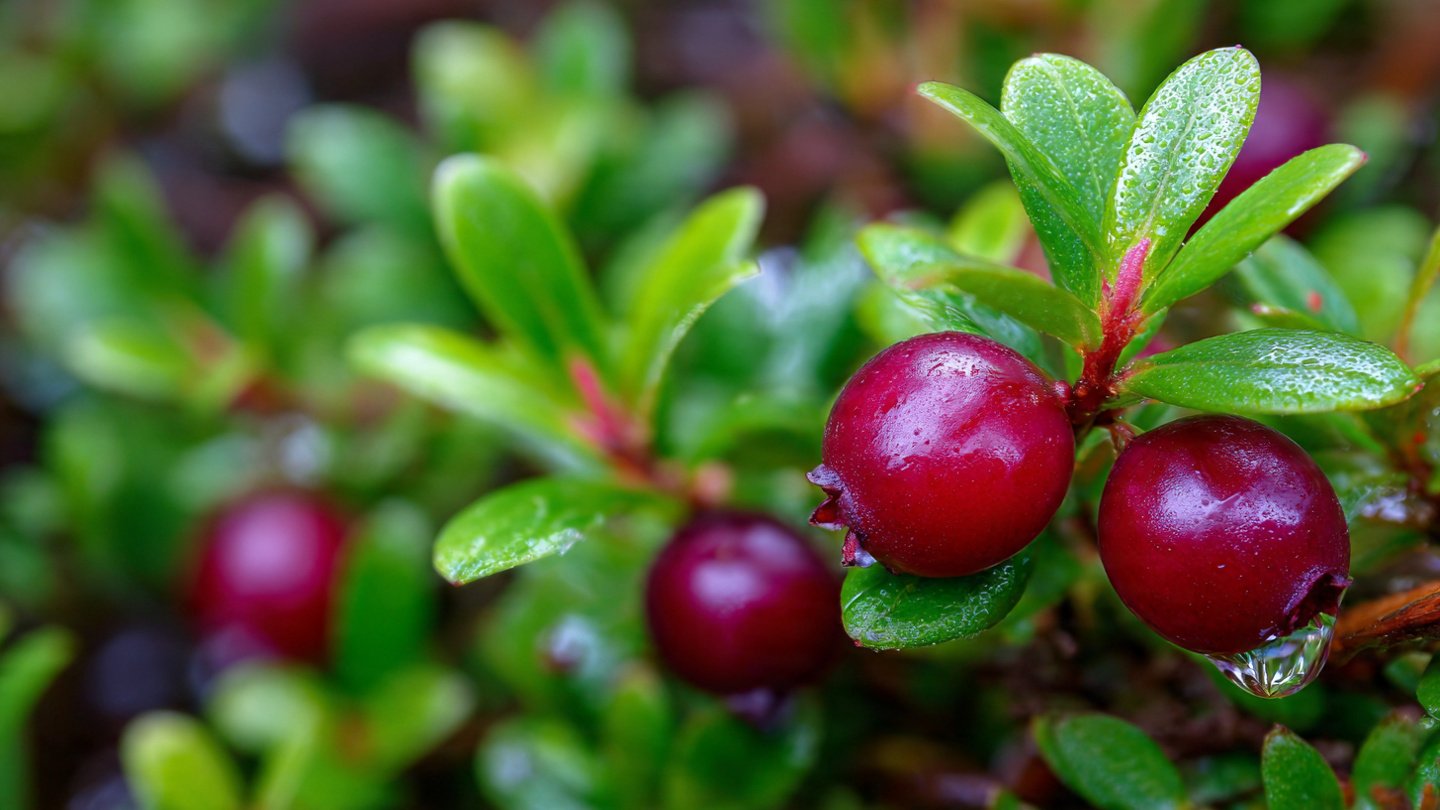
Lingonberries (Vaccinium vitis-idaea), often called cowberries or mountain cranberries, are small, vibrant red berries cherished for their tangy flavor, high antioxidant content, and ornamental value. These hardy plants are native to cooler climates and have gained popularity among home gardeners for their edible fruits and glossy evergreen foliage. Despite their slow-growing nature, gardeners can employ simple techniques to accelerate growth, boost fruit production, and enjoy healthy lingonberry plants in less time.
This guide reveals the secrets to cultivating lingonberries successfully, whether you’re growing them in backyard gardens, raised beds, or containers. By understanding their soil, sunlight, water, and pruning requirements, you can maximize growth and enjoy a bountiful harvest sooner than expected.
Why Grow Lingonberries in Your Garden?
Lingonberries are more than just beautiful plants; they offer numerous benefits:
- Nutritional Value: Rich in vitamins C, E, and antioxidants, lingonberries promote overall health.
- Ornamental Appeal: Glossy evergreen leaves and clusters of bright red berries add color and texture to your garden year-round.
- Hardy and Low-Maintenance: Thrives in acidic soils and cooler climates with minimal care.
- Pollinator Friendly: Flowers attract bees and beneficial insects, improving overall garden health.
- Culinary Uses: Excellent in jams, sauces, juices, and desserts.
These attributes make lingonberries an attractive addition for gardeners who value both beauty and function.
Understanding Lingonberry Growth Patterns
Lingonberries are slow-growing by nature, typically taking 3–5 years to reach full fruit-bearing potential. Growth can be hindered by:
- Improper soil pH: Lingonberries prefer acidic soil (pH 4.5–5.5).
- Poor drainage: Waterlogged conditions can stunt roots.
- Lack of sunlight: Limited light reduces photosynthesis and berry production.
- Insufficient pruning: Overcrowded branches can reduce vigor and fruiting.
By addressing these factors, you can accelerate growth naturally and achieve a lush, productive plant faster.
Selecting the Right Lingonberry Variety
Choosing the right variety is crucial for successful growth:
- Evergreen Varieties: Maintain foliage year-round, ideal for ornamental purposes.
- Deciduous Varieties: Shed leaves in winter but often produce larger berries.
- Compact Varieties: Perfect for container gardening or small spaces.
- High-Yield Varieties: Produces abundant fruits suitable for culinary use.
Popular options include ‘Red Pearl,’ ‘Koralle,’ ‘Erntedank,’ and ‘Pilgrim’, each offering unique traits in terms of growth habit, berry size, and flavor.
Preparing Soil for Accelerated Growth
Soil is the foundation for healthy, fast-growing lingonberries:
- Soil Type: Well-draining, sandy loam or peat-based soil is ideal.
- Acidic pH: Maintain 4.5–5.5 pH using sphagnum peat moss, elemental sulfur, or pine needles.
- Organic Matter: Add compost or well-rotted manure to enrich soil nutrients.
- Drainage Improvement: Raised beds or mounded rows prevent waterlogging and root rot.
Healthy, acidic soil promotes rapid root establishment and vigorous growth, forming the basis for accelerated plant development.
Planting Lingonberries
Lingonberries can be grown from transplants or cuttings, with each method offering advantages:
1. Planting Transplants
- Timing: Plant in early spring after frost danger has passed.
- Spacing: Space plants 12–18 inches apart to allow airflow and room for growth.
- Depth: Plant at the same depth as they were in the nursery container.
2. Using Cuttings
- Stem Cuttings: Take 4–6 inch cuttings from healthy plants.
- Rooting: Place cuttings in moist, acidic soil; roots develop in 4–6 weeks.
Tip: Mulch around young plants with pine needles or straw to retain moisture, maintain acidity, and suppress weeds.
Sunlight Requirements
Lingonberries thrive with the right amount of sunlight:
- Full Sun: Encourages berry production and compact growth.
- Partial Shade: Acceptable, but too much shade reduces berry yield and slows growth.
- Orientation: South-facing garden beds or containers in temperate regions optimize sunlight exposure.
Proper sunlight ensures vigorous photosynthesis, strong stems, and faster fruit development.
Watering Lingonberries
Lingonberries require consistent moisture, particularly during early growth and fruiting stages:
- Young Plants: Water every 2–3 days to maintain moist soil without waterlogging.
- Established Plants: Deep watering once a week is sufficient, depending on rainfall.
- Mulching: Retains soil moisture and keeps roots cool.
Avoid overwatering, which can lead to root rot and fungal infections. Well-drained soil and proper watering encourage faster root expansion and bushier growth.
Fertilizing for Accelerated Growth
Nutrient management is key to speeding up growth and fruiting:
- Balanced Fertilizer: Use a slow-release fertilizer with low nitrogen and higher phosphorus and potassium to support root and berry development.
- Organic Options: Acidic fertilizers like composted pine needles, peat moss, or organic fruit fertilizers improve soil health naturally.
- Timing: Fertilize in early spring and again after flowering to encourage berry formation.
Proper nutrition ensures strong stems, abundant foliage, and faster berry production.
Pruning and Training
Pruning is an essential technique for accelerating lingonberry growth:
- Remove Dead or Damaged Stems: Improves airflow and prevents disease.
- Thin Overcrowded Branches: Promotes lateral growth and stronger root development.
- Encourage Bushiness: Pinch young shoots to redirect energy into new growth and branching.
- Prune Annually: After fruiting season, trim to maintain a compact, productive plant.
Regular pruning prevents legginess, improves sunlight penetration, and accelerates overall growth.
Pollination and Flowering
Lingonberries are partially self-fertile but benefit from pollinators:
- Bee Pollination: Ensures more berries and uniform fruit development.
- Hand Pollination: In gardens with few pollinators, use a soft brush to transfer pollen from male to female flowers.
- Flower Timing: Flowers appear in late spring, followed by berries in mid-to-late summer.
Successful pollination accelerates berry production and improves fruit quality.
Controlling Pests and Diseases
While hardy, lingonberries can face minor threats:
- Aphids: Suck sap from young leaves; treat with neem oil or water sprays.
- Fungal Diseases: Leaf spot and root rot; prevent with proper spacing and drainage.
- Birds: Protect berries using netting or scare tactics to avoid crop loss.
Healthy, well-maintained plants are naturally more resilient and grow faster.
Additional Techniques to Boost Growth
- Use Raised Beds: Improves drainage and warms soil faster in spring.
- Acidify Soil: Maintain low pH with peat moss, pine needles, or sulfur for optimal nutrient absorption.
- Regular Mulching: Conserves moisture, suppresses weeds, and maintains soil acidity.
- Companion Planting: Plant near blueberries or other acid-loving plants to optimize microclimate.
- Frost Protection: Cover young plants in early spring to extend growing season in colder climates.
These simple techniques work synergistically to accelerate growth and maximize berry production.
Benefits of Growing Lingonberries at Home
- Nutritional Superfood: Rich in antioxidants, vitamins, and dietary fiber.
- Beautiful Foliage: Glossy leaves provide year-round visual appeal.
- Low Maintenance: Hardy plants requiring minimal intervention once established.
- Culinary Versatility: Fresh berries or preserves for jams, sauces, and desserts.
- Eco-Friendly: Attracts pollinators and supports biodiversity.
Homegrown lingonberries combine aesthetic, nutritional, and ecological benefits, making them a valuable addition to any backyard garden.
Conclusion
Accelerating lingonberry growth is achievable with simple, practical techniques. By selecting the right variety, preparing well-draining acidic soil, providing consistent sunlight, watering appropriately, fertilizing strategically, and employing pruning and pinching hacks, gardeners can enjoy healthy, productive plants in less time.
Lingonberries are not only attractive and delicious but also hardy and low-maintenance, making them ideal for gardeners of all skill levels. Implementing these growth-boosting techniques ensures your plants remain vibrant, bushy, and fruit-bearing, providing a reliable harvest of tangy red berries year after year.
Start applying these simple strategies today, and transform your garden into a lush, berry-filled paradise with accelerated lingonberry growth and beautiful evergreen foliage. With patience and proper care, you’ll enjoy both the visual appeal and nutritional benefits of homegrown lingonberries sooner than you think.