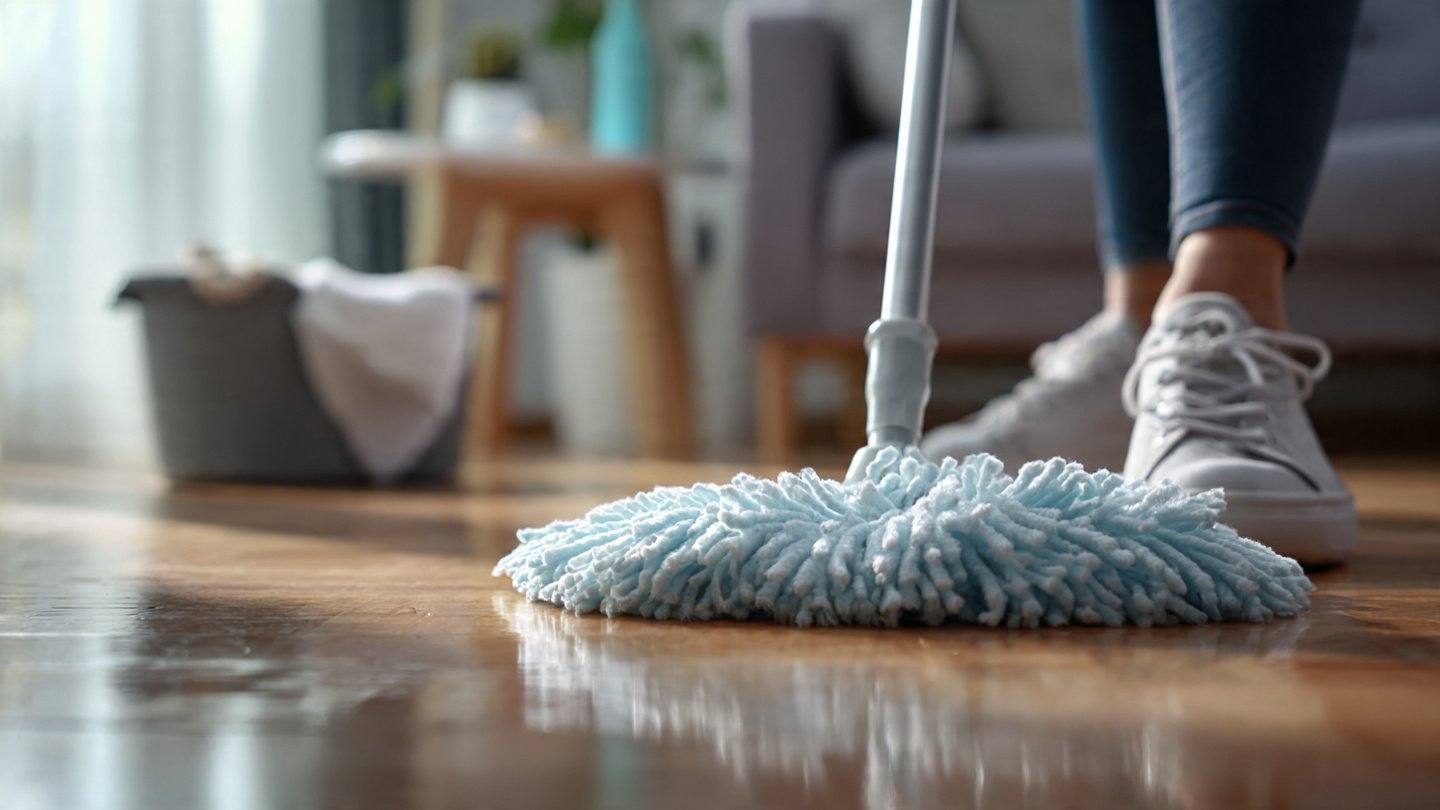
Cleaning is a task most of us tackle regularly, yet many people struggle to complete it efficiently. Hours spent scrubbing, dusting, and organizing often leave us exhausted, and sometimes it feels as though we’ve barely made a dent. While there are countless products, gadgets, and techniques promising to make cleaning easier, there is one overlooked rule that can dramatically improve cleaning efficiency—and it doesn’t involve buying more tools.
This guide will explore this simple but powerful principle, explain why it works, and provide actionable strategies to make cleaning faster, more effective, and less stressful.
The Overlooked Rule: Clean from Top to Bottom, Back to Front
The key to effortless cleaning efficiency is to adopt a systematic approach: always clean from the top down and from the back forward.
- Top to Bottom: Dust, dirt, and debris naturally fall downward. By starting with high surfaces like shelves, light fixtures, and countertops, you prevent re-cleaning areas below.
- Back to Front: Begin cleaning the farthest corners or back of the room and work your way toward the exit. This ensures you don’t step on freshly cleaned floors or move dirt from one area to another.
This simple principle might seem obvious, but most people clean in a random, haphazard way—wasting time and energy.
Why the Top-to-Bottom, Back-to-Front Method Works
1. Prevents Rework
Cleaning out of order often results in a need to redo tasks. For example:
- Dusting a high shelf first lets dust fall naturally to the floor. Cleaning the floor afterward ensures all debris is removed.
- Spraying a countertop before wiping down cabinets above it can result in streaks or droplets on already cleaned surfaces.
By following a top-down sequence, you minimize duplication of effort, making the process faster.
2. Reduces Missed Spots
Random cleaning can leave overlooked areas, especially corners and high surfaces. A structured approach ensures every surface is addressed systematically, leaving fewer blind spots.
3. Encourages Momentum
Working from back to front gives a sense of progress. Starting at the farthest point and moving toward the exit allows you to complete rooms without retracing steps, creating a psychological boost and efficiency in motion.
4. Optimizes Energy Use
Cleaning is physically demanding. By cleaning in a logical order, you eliminate unnecessary bending, lifting, or walking, conserving energy while still achieving thorough results.
Applying the Rule in Different Rooms
The top-to-bottom, back-to-front method can be adapted to every area of your home for maximum efficiency.
1. Living Room and Common Areas
- Start with high surfaces: Ceiling fans, light fixtures, and tall shelves.
- Dust furniture: Work from the back of the room toward the front.
- Vacuum or mop floors last: Any dirt or dust from above will land on the floor, which is cleaned at the end.
Tip: Use microfiber cloths for dusting—they capture dust rather than just spreading it around.
2. Kitchen
The kitchen is often the hardest space to clean due to grease, crumbs, and food residue. Apply the rule as follows:
- Top surfaces first: Cabinets, shelves, range hood, and light fixtures.
- Countertops and appliances: Wipe countertops, backsplashes, and appliance exteriors from back to front.
- Sink and floors last: Residue from cleaning counters and cabinets will fall naturally, and the floor is cleaned at the end.
Additional tip: Use warm, soapy water for greasy areas, and follow with a quick disinfecting wipe to kill bacteria.
3. Bathroom
Bathrooms benefit greatly from this approach, especially since dust, hair, and soap residue accumulate:
- Start with high areas: Medicine cabinets, shelves, mirrors, and light fixtures.
- Tackle surfaces: Countertops, sinks, and fixtures, wiping from the back to the front.
- Finish with the floor: Sweep and mop to remove debris that fell during cleaning.
Tip: Keep separate cloths for mirrors, counters, and toilet areas to prevent cross-contamination.
4. Bedrooms
Bedrooms are often cluttered, which can hinder efficiency. Applying the rule here:
- Dust high surfaces: Ceiling fans, shelves, and wardrobes.
- Make the bed: Start at the back and work toward the front for even coverage.
- Organize surfaces and floors: Clear items, dust furniture, and vacuum or mop floors last.
Tip: Decluttering beforehand reduces obstacles and improves cleaning speed.
Tools and Products to Support Efficient Cleaning
While the overlooked rule focuses on technique rather than tools, having the right products enhances efficiency:
- Microfiber cloths: Excellent for dusting and trapping particles.
- Extendable dusters: Reach high areas without ladders.
- Spray bottles with multi-surface cleaners: Reduce time switching products.
- Vacuum cleaner or mop: Ensure proper cleaning of floors last.
- Organizers: Keep cleaning tools handy for every room, reducing trips back and forth.
Having organized, effective tools complements the cleaning sequence and makes the process smoother.
Time-Saving Tips to Maximize Efficiency
- Set a timer: Challenge yourself to clean a room within a set period. This creates focus and prevents dawdling.
- Batch tasks: Dust all rooms at once, then vacuum all floors, rather than completing a room entirely before moving to the next.
- Use multitasking products: All-purpose cleaners can reduce product switching.
- Keep surfaces clear: Minimal clutter reduces the number of objects that need to be moved, streamlining the process.
- Enlist help: If multiple people are available, assign rooms or tasks according to the top-to-bottom principle to save time.
Implementing these strategies alongside the core rule ensures maximum efficiency with minimal effort.
Overcoming Common Cleaning Challenges
Even with a systematic approach, challenges can arise. Here’s how to handle them:
1. Dust Buildup
- Solution: Dust frequently, ideally weekly, to prevent heavy accumulation.
- Use microfiber cloths or electrostatic dusters to capture dust rather than spreading it.
2. Pet Hair
- Solution: Vacuum or use lint rollers after dusting furniture and surfaces.
- Consider having a pet-specific cleaning tool to target hair on upholstery.
3. Stubborn Stains
- Solution: Pre-treat stains before following the top-to-bottom cleaning method.
- Use the appropriate cleaner for the surface type to save time scrubbing later.
4. Cluttered Spaces
- Solution: Declutter regularly.
- Apply a “one in, one out” rule for items to prevent accumulation.
- Clear surfaces allow for faster dusting and wiping.
The Psychological Benefits of Systematic Cleaning
Efficiency isn’t just about saving time—it also improves your mental state:
- Reduced stress: A clean, organized space lowers anxiety and promotes calm.
- Sense of accomplishment: Completing rooms in a logical sequence creates visible progress.
- Increased motivation: Seeing results encourages maintaining regular cleaning habits.
By following a systematic approach, cleaning becomes less of a chore and more of a satisfying routine.
Putting the Rule into Practice
To implement the overlooked rule effectively:
- Plan before starting: Identify the rooms and surfaces to clean.
- Gather all tools: Avoid back-and-forth trips for missing supplies.
- Start with high surfaces: Ceiling fans, shelves, light fixtures.
- Work back to front: Move from corners or farthest points toward exits.
- Finish with floors: Sweep, vacuum, or mop after debris has fallen.
- Maintain regularly: Frequent, smaller cleaning sessions make the process effortless.
With consistent practice, this method becomes second nature, dramatically reducing cleaning time and effort.
Conclusion
Cleaning doesn’t have to be a dreaded, exhausting task. The overlooked rule of cleaning from top to bottom and back to front is a simple, effective way to maximize efficiency and minimize rework. By following this approach:
- You prevent repetitive cleaning.
- You reduce missed spots.
- You conserve energy and improve workflow.
Combine this method with proper tools, regular maintenance, and a clutter-free environment, and you’ll transform cleaning from a time-consuming chore into a quick, efficient, and even satisfying routine.
Whether tackling a small apartment, a family home, or a workspace, adopting this systematic approach ensures that every surface is clean, every floor spotless, and every room organized—with far less stress than traditional random cleaning methods.
Start implementing the top-to-bottom, back-to-front rule today, and discover how effortless and efficient cleaning can truly be.