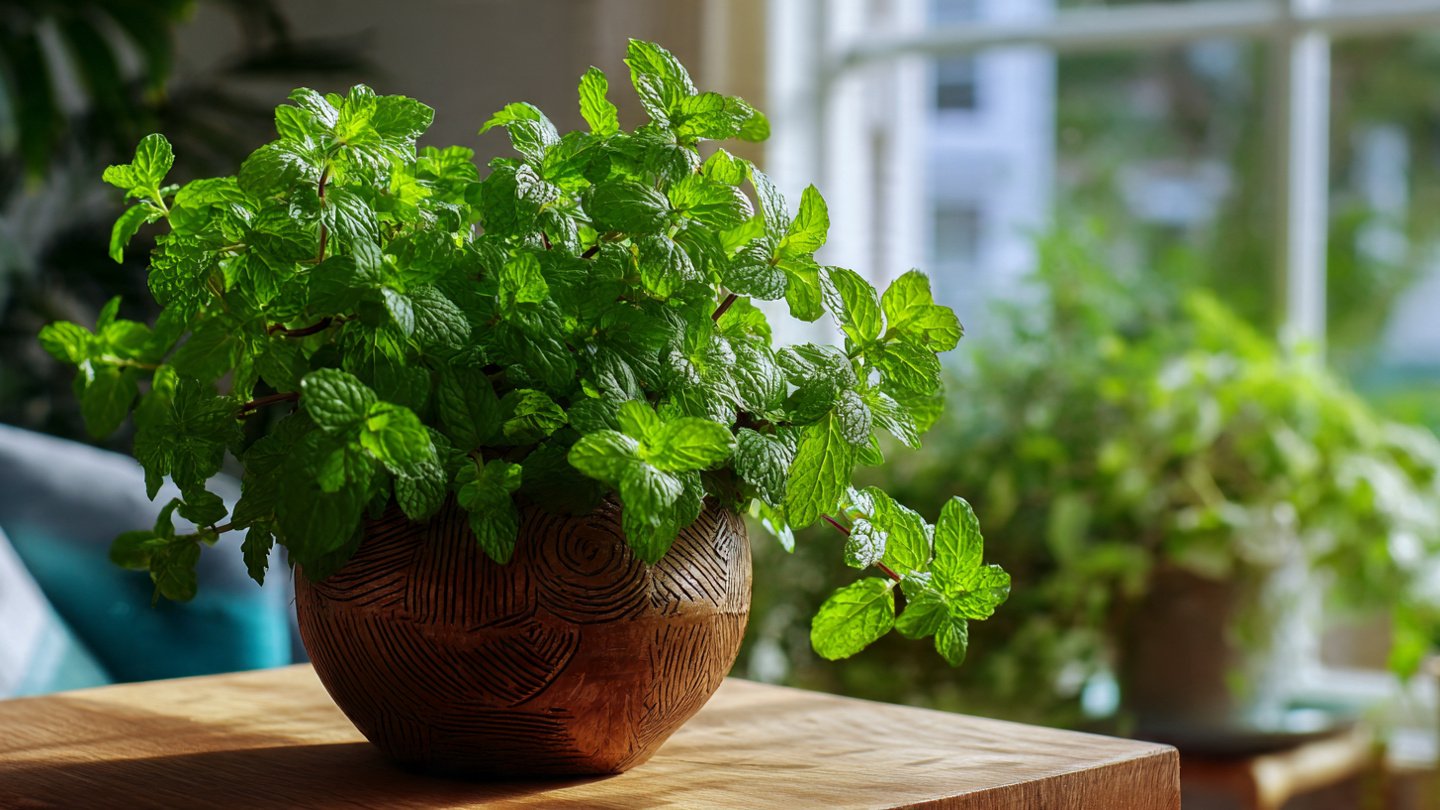
There’s something undeniably satisfying about walking into your kitchen and snipping fresh mint leaves for tea, salads, or cocktails. Mint is not only versatile and aromatic, but it’s also a hardy herb that thrives in a variety of conditions. The good news is that you don’t need a sprawling garden or a sunny backyard to grow mint—indoors, it can flourish year-round with minimal effort.
Whether you’re a beginner or an experienced gardener, growing mint indoors is an easy and rewarding endeavor. In this article, we’ll explore the simple steps to effortlessly grow mint indoors, the best care practices, and tips to ensure you enjoy fresh, aromatic leaves every day of the year.
1. Why Mint is Perfect for Indoor Gardening
Mint is one of the easiest herbs to grow indoors. Its resilience, fast growth, and ability to thrive in containers make it ideal for kitchens, windowsills, or balconies. Here’s why indoor mint is a smart choice:
- Controlled growth: Mint spreads aggressively outdoors, often taking over gardens. Indoors, you can control its size in pots or containers.
- Year-round access: No matter the season, your indoor mint will continue to grow, providing fresh leaves even in winter.
- Minimal maintenance: With a few simple care steps, mint will flourish without requiring advanced gardening skills.
- Air-purifying benefits: Like many herbs, mint can help improve indoor air quality, adding a fresh, herbal scent to your home.
Growing mint indoors combines convenience, beauty, and practicality. It’s a living decoration and a culinary treasure rolled into one.
2. Choosing the Right Mint Variety
Mint comes in several varieties, each offering unique flavors and aromas. Selecting the right variety will help you get the most enjoyment from your indoor herb garden:
- Spearmint: Sweet and mild, ideal for drinks, sauces, and salads.
- Peppermint: Stronger, with a cooling flavor, perfect for teas, desserts, and homemade remedies.
- Chocolate mint: A hint of cocoa aroma makes it perfect for desserts and beverages.
- Apple mint: Fruity and mild, excellent for fresh garnishes and smoothies.
For indoor gardening, smaller varieties like spearmint or peppermint tend to work best because they are easier to manage in containers.
3. Selecting the Perfect Container
The container you use is crucial for indoor mint growth. A pot that offers proper drainage and enough room for roots will help your mint thrive. Consider the following:
- Size: A 6–8 inch pot is ideal for a single mint plant. For multiple plants, choose a larger pot with at least 12 inches in diameter.
- Material: Clay, ceramic, or plastic pots all work well. Clay pots are porous and help soil dry slightly faster, preventing waterlogging. Plastic pots retain moisture longer, which is helpful in dry indoor conditions.
- Drainage: Ensure the pot has drainage holes. Mint doesn’t like to sit in soggy soil, and proper drainage prevents root rot.
A well-chosen pot will make care easier and allow your mint to grow lush and healthy.
4. Using the Right Soil
Mint grows best in nutrient-rich, well-draining soil. Indoor mint particularly benefits from a potting mix designed for herbs or general indoor plants:
- Potting mix: Use a light, airy potting mix to allow roots to breathe. Avoid heavy garden soil.
- Organic matter: Adding compost or worm castings enhances soil fertility and promotes strong growth.
- Moisture retention: Incorporate coconut coir or peat moss to maintain consistent moisture without waterlogging.
Healthy soil is the foundation for strong, flavorful mint. By choosing the right mix, you ensure your plant has the nutrients and structure it needs to thrive indoors.
5. Finding the Ideal Light
Light is essential for indoor mint growth. While mint can tolerate low light, it thrives best with moderate sunlight:
- Direct sunlight: Place your mint near a south or west-facing window where it can receive 4–6 hours of indirect sunlight.
- Artificial light: If natural light is limited, use full-spectrum grow lights for 8–12 hours a day to simulate sunlight.
- Rotation: Rotate the pot every few days to ensure even light distribution and prevent uneven growth.
Proper lighting keeps your mint vibrant, aromatic, and productive throughout the year.
6. Watering Your Mint Indoors
Consistent watering is key to growing healthy indoor mint. Hanging baskets or pots can dry out quickly, so it’s important to monitor moisture levels:
- Check soil moisture: Stick your finger an inch into the soil. Water when the top layer feels dry.
- Avoid overwatering: Waterlogged soil can lead to root rot. Ensure excess water drains freely.
- Humidity: Indoor air, especially during winter, can be dry. Mist the leaves occasionally to maintain humidity and keep mint lush.
With consistent watering, your indoor mint will remain fresh, green, and flavorful all year long.
7. Fertilizing for Continuous Growth
Mint is a vigorous grower, so providing nutrients helps maintain its flavor and leaf production:
- Liquid fertilizer: Feed your mint with a balanced, water-soluble fertilizer every 3–4 weeks during active growth.
- Organic alternatives: Diluted compost tea, fish emulsion, or seaweed extract works well for indoor herbs.
- Moderation: Avoid over-fertilizing, which can cause excessive leaf growth with reduced aroma and flavor.
Regular, moderate feeding ensures your mint stays healthy, aromatic, and ready for use.
8. Pruning and Harvesting
Pruning is essential to keep your indoor mint compact and productive:
- Pinch tips regularly: Pinching off the tips encourages bushy growth and prevents the plant from becoming leggy.
- Harvest often: Snip leaves as needed for cooking or drinks. Frequent harvesting promotes new growth.
- Remove flowers: If your mint flowers indoors, pinch off the blooms. Flowering diverts energy from leaf production and may alter the taste.
By pruning and harvesting correctly, your mint will continue to produce fresh leaves throughout the year.
9. Managing Common Indoor Problems
Even hardy herbs like mint can face challenges indoors. Here’s how to prevent common problems:
- Pests: Aphids, spider mites, and whiteflies may appear. Wipe leaves with water or use mild insecticidal soap.
- Fungal diseases: Overwatering and poor airflow can lead to mildew. Water carefully and ensure proper ventilation.
- Leggy growth: Insufficient light or irregular pruning causes sparse stems. Adjust lighting and pinch back stems as needed.
A little attention and observation will help your indoor mint stay strong, vibrant, and pest-free.
10. Tips for Year-Round Success
Mint can thrive indoors year-round if given the right care:
- Temperature: Maintain moderate indoor temperatures between 65–75°F (18–24°C). Avoid drafts and heat sources that can stress the plant.
- Light supplementation: Use grow lights during shorter winter days to keep growth steady.
- Container rotation: Rotate pots to ensure even light exposure and prevent uneven growth.
- Companion planting: Grow mint alongside other herbs in the kitchen to create a mini herb garden with easy access and shared care routines.
With these steps, you can enjoy fresh, aromatic mint leaves every day, regardless of the season.
Conclusion
Growing mint indoors is an effortless way to have fresh herbal flavors at your fingertips all year round. From selecting the right variety and container to providing optimal light, watering, and pruning, indoor mint thrives with minimal effort. By following these simple steps, you can enjoy a lush, productive mint plant that enhances your cooking, beverages, and home environment.
Indoor mint is more than just a plant—it’s a living kitchen companion, an aromatic decoration, and a source of fresh flavors that elevate your meals. With consistency, proper care, and a little attention, you can create an indoor mint garden that provides fresh, fragrant leaves year-round with ease and enjoyment.