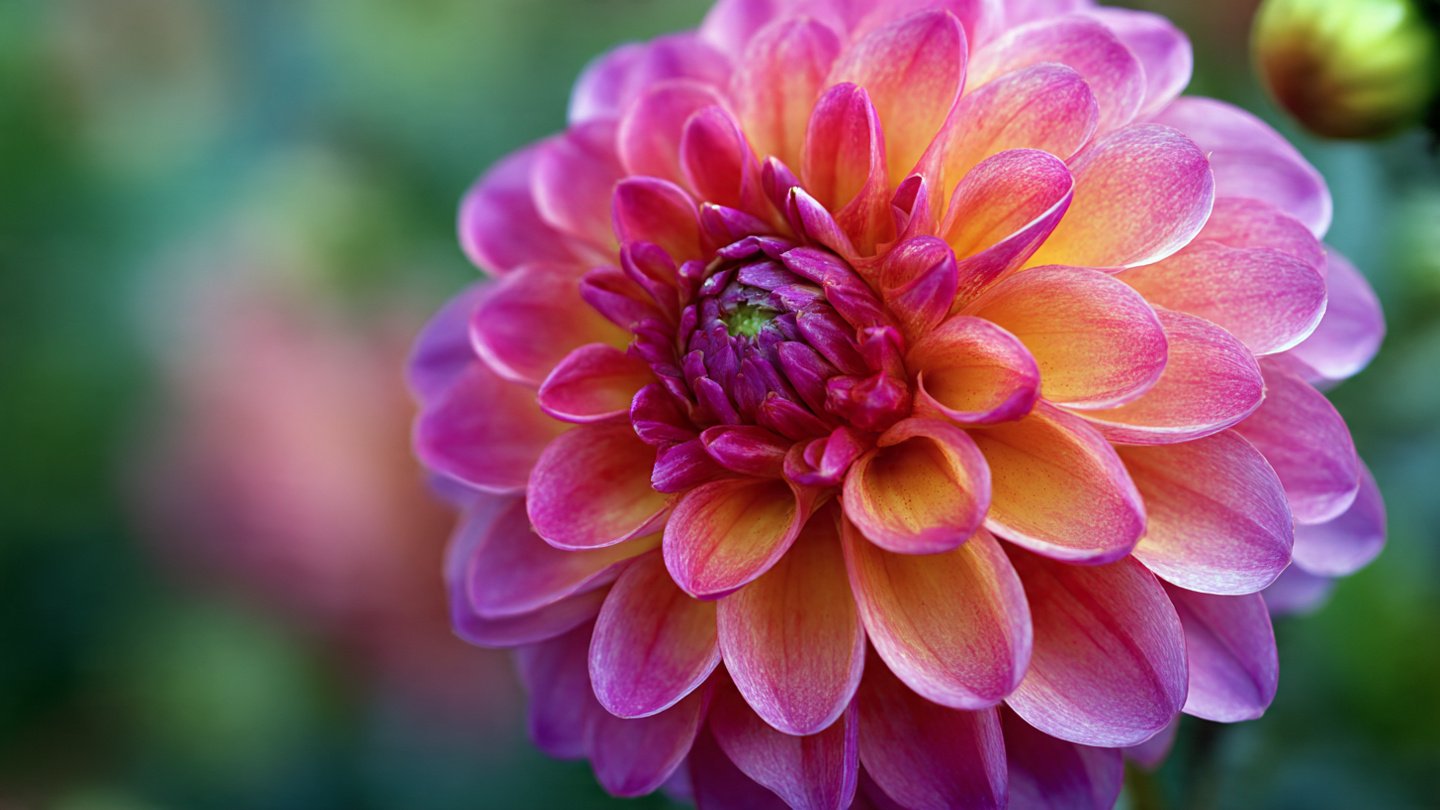
Dahlias are among the most spectacular flowering plants a gardener can grow. With their bold colors, intricate petal structures, and impressive bloom sizes, dahlias bring drama and elegance to any garden. From compact pompons to dinner-plate-sized blossoms, these flowers reward good care with breathtaking displays that last from midsummer until the first frost.
If you’ve ever admired oversized, vibrant dahlias and wondered how gardeners achieve such stunning results, the answer lies in proper planting, thoughtful maintenance, and a few proven techniques. This guide explores effective methods to help you grow large, healthy, and brilliantly colored dahlia blooms right in your own garden.
Understanding Dahlia Growth Basics
Dahlias are tuberous perennials native to Mexico and Central America. They thrive in warm conditions and require a long growing season to reach their full potential. Each plant grows from an underground tuber that stores energy, producing lush foliage followed by dramatic flowers.
Dahlias vary widely in size and form, but all types share similar care requirements. To grow large blooms, gardeners must focus on building strong plants early in the season and directing energy toward fewer, high-quality flowers rather than many small ones.
Choosing the Right Dahlia Varieties
Selecting the right variety is the first step toward large, vibrant blooms. Not all dahlias are bred for size.
Best Types for Large Blooms
- Dinner Plate Dahlias – Known for blooms that can reach 8–12 inches in diameter
- Decorative Dahlias – Large, symmetrical flowers with layered petals
- Cactus and Semi-Cactus Dahlias – Spiky, dramatic blooms with strong stems
Choose healthy, firm tubers from reputable suppliers. Avoid shriveled or moldy tubers, as they may struggle to establish strong growth.
Preparing the Soil for Success
Healthy soil is essential for producing vigorous plants and oversized blooms.
Soil Requirements
- Well-draining soil to prevent tuber rot
- Rich in organic matter
- Slightly acidic to neutral pH (6.5–7.0)
Before planting, loosen the soil to a depth of at least 12 inches. Mix in compost, aged manure, or leaf mold to improve fertility and drainage. Avoid high-nitrogen fertilizers at planting time, as they promote leafy growth at the expense of flowers.
Proper Planting Techniques
Timing and spacing play a significant role in dahlia success.
When to Plant
Plant dahlias after the danger of frost has passed and soil temperatures reach about 60°F (15°C).
How to Plant
- Dig a hole 6–8 inches deep
- Lay the tuber horizontally with the eye facing upward
- Space plants 18–24 inches apart, depending on variety
- Cover lightly with soil and water sparingly until growth appears
Avoid watering heavily before shoots emerge, as excess moisture can cause tubers to rot.
Providing Adequate Sunlight
Dahlias are sun-loving plants that require at least 6–8 hours of direct sunlight daily.
- Morning sun encourages strong growth
- Afternoon shade can be beneficial in extremely hot climates
- Insufficient sunlight results in weak stems and smaller blooms
Positioning your dahlias in a bright, open area is key to achieving vibrant colors and large flower heads.
Watering for Healthy Growth
Consistent watering is crucial, especially during bud formation and flowering.
Watering Tips
- Water deeply 2–3 times per week
- Keep soil evenly moist, but never waterlogged
- Avoid overhead watering to reduce disease risk
Mulching around the base of plants helps retain moisture, regulate soil temperature, and suppress weeds.
Fertilizing for Bigger Blooms
Feeding dahlias correctly makes a noticeable difference in bloom size and color intensity.
Best Fertilizer Practices
- Use low-nitrogen fertilizer (such as 5-10-10 or 10-20-20)
- Begin fertilizing once plants are 12 inches tall
- Apply every 3–4 weeks during the growing season
Excess nitrogen leads to tall, leafy plants with fewer and smaller flowers, so balance is essential.
Pinching and Pruning Techniques
Strategic pruning helps direct the plant’s energy into producing fewer, larger blooms.
Pinching for Bushier Growth
When plants reach about 12–16 inches tall:
- Pinch off the top set of leaves
- This encourages side branching and stronger stems
Disbudding for Larger Flowers
To grow show-quality blooms:
- Remove smaller side buds
- Allow only one main bud per stem to develop
This technique channels energy into producing a single, oversized flower.
Staking and Supporting Plants
Large dahlia blooms can become heavy, especially after rain or wind.
- Install stakes at planting time to avoid root damage later
- Use soft ties to secure stems without restricting growth
- Cage-style supports work well for taller varieties
Proper support prevents stem breakage and keeps blooms upright and healthy.
Pest and Disease Management
Healthy plants are less prone to problems, but vigilance is still necessary.
Common Pests
- Aphids
- Slugs and snails
- Spider mites
Control pests using natural methods such as neem oil, insecticidal soap, or manual removal.
Disease Prevention
- Ensure good air circulation
- Avoid overcrowding
- Remove diseased foliage promptly
Regular garden inspections help catch issues before they spread.
Deadheading for Continuous Blooming
Removing spent flowers encourages the plant to produce new buds.
- Cut faded blooms back to a leaf node
- Deadheading redirects energy into fresh flower production
- Regular deadheading keeps plants tidy and productive
This practice extends the flowering season well into fall.
Preparing Dahlias for Maximum Performance
As the season progresses, ongoing care ensures peak bloom quality.
- Continue fertilizing moderately
- Adjust watering during heat waves
- Remove weak or overcrowded stems
Consistent attention keeps plants vigorous and blooming at their best.
Lifting and Storing Tubers
In colder climates, dahlias must be lifted and stored before winter.
- Wait until foliage is blackened by frost
- Carefully dig up tubers
- Allow them to dry before storage
- Store in a cool, dry, frost-free location
Proper storage ensures healthy plants for the next growing season.
Final Thoughts
Growing large, vibrant dahlia blooms is a rewarding experience that combines patience, care, and a few expert techniques. By selecting the right varieties, preparing nutrient-rich soil, providing ample sunlight, and practicing strategic pruning, you can enjoy spectacular flowers that become the highlight of your garden.
With their rich colors and impressive size, dahlias offer endless beauty and creativity. Whether grown for cutting gardens, landscape design, or pure enjoyment, these stunning blooms prove that thoughtful gardening truly pays off—one magnificent flower at a time.