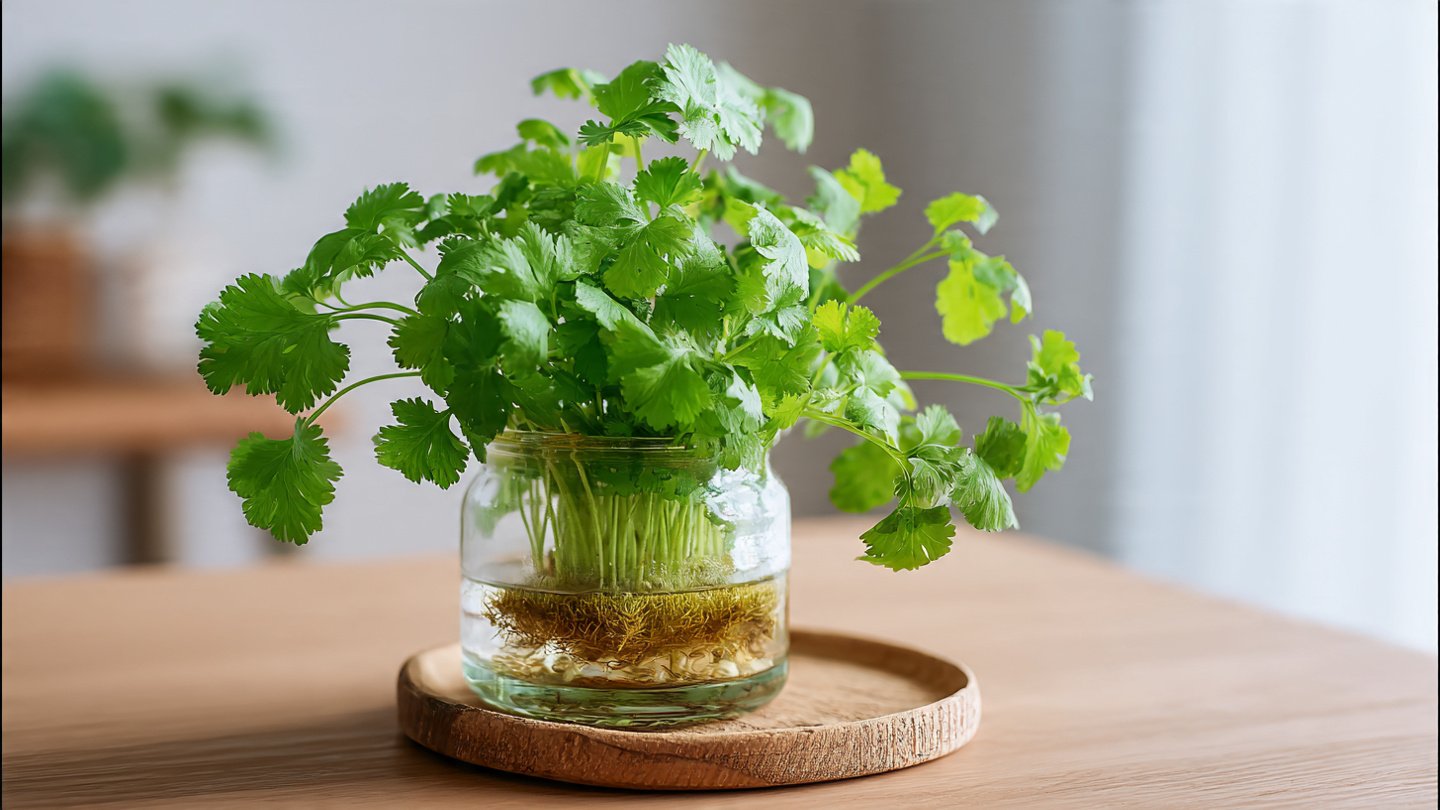
Coriander, also known as cilantro in many parts of the world, is a staple herb in kitchens across the globe. Its fresh, zesty flavor elevates everything from salads and salsas to soups and curries. While growing coriander from seeds is common, many gardeners and home cooks are discovering a faster and more efficient way to enjoy fresh herbs—by propagating coriander from cuttings.
Growing coriander from cuttings is a simple, rewarding technique that allows you to harvest fresh leaves continuously without waiting for seeds to germinate. This method is perfect for anyone who loves homegrown herbs, whether you have a balcony, kitchen window, or small indoor garden. In this guide, we’ll explore everything you need to know about growing coriander from cuttings, step by step.
1. Why Grow Coriander from Cuttings?
Before diving into the technique, it’s important to understand why cuttings are an excellent option:
- Faster results: Cuttings develop roots quickly, allowing you to harvest fresh leaves sooner than starting from seeds.
- Continuous harvest: By using healthy stems, you can maintain a steady supply of fresh coriander without the unpredictability of seed germination.
- Economical: You don’t need to buy seeds repeatedly; a single plant can provide cuttings for months.
- Easy for beginners: This technique requires minimal gardening experience and can be done indoors or outdoors.
Cuttings allow you to enjoy fresh coriander year-round, making it a convenient and sustainable choice for home gardeners.
2. Selecting the Right Coriander Cuttings
The success of your coriander propagation depends on choosing the right stems. Here’s how to pick healthy cuttings:
- Healthy plant: Choose stems from a thriving coriander plant. Look for bright green leaves and firm, upright stems. Avoid plants that are flowering, yellowing, or damaged.
- Stem length: Cuttings should be around 4–6 inches long. Longer stems can be trimmed, while shorter ones may struggle to root.
- Leaf nodes: Select stems with at least 2–3 leaf nodes (the points where leaves emerge from the stem). Leaf nodes are essential because roots develop from them.
- Avoid flowering stems: Stems that have begun to flower may not root well and can produce weaker plants.
With the right cuttings, you’re setting the stage for a strong, productive coriander plant.
3. Preparing Coriander Cuttings for Propagation
Proper preparation of your cuttings is key to successful rooting:
- Trim the leaves: Remove leaves from the lower half of the stem. This prevents leaf decay in water or soil and encourages root growth.
- Cut below a node: Make a clean cut just below a leaf node. This is where new roots will emerge.
- Optional rooting hormone: While coriander can root naturally, dipping the cut end in rooting hormone can improve success rates. This is particularly useful for beginners.
- Clean container: Use a clean glass, jar, or small pot to prevent bacterial or fungal growth that can harm your cuttings.
By following these steps, your coriander cuttings will be ready to start growing quickly and effectively.
4. Choosing the Right Propagation Method
Coriander cuttings can root in either water or soil, depending on your preference and available space:
Water Method
- Fill a glass with water: Use room temperature water and ensure that at least one node is submerged.
- Place cuttings in water: Keep the jar in a bright spot with indirect sunlight.
- Change water regularly: Replace the water every 2–3 days to prevent stagnation and bacterial growth.
- Watch for roots: Roots should start to develop within 7–10 days. Once roots are about 2 inches long, the cutting is ready for planting in soil.
Soil Method
- Prepare a small pot: Fill a pot with light, well-draining potting mix or seed-starting soil.
- Plant the cutting: Insert the cut end into the soil, covering the lower node. Firm the soil gently around the stem.
- Water gently: Keep the soil moist but not soggy. Overwatering can cause the cutting to rot.
- Provide indirect sunlight: Place the pot in a bright location but avoid direct harsh sunlight.
- Check for new growth: Within 10–14 days, you should see new leaves emerging, indicating successful rooting.
Both methods work well, but water propagation allows you to monitor root growth easily, while soil propagation reduces transplant shock.
5. Transplanting Rooted Coriander Cuttings
Once your cuttings have developed a healthy root system, it’s time to transplant them into a permanent container:
- Choose a container: Use a pot with good drainage holes. A 6–8 inch pot works well for a single plant.
- Soil preparation: Fill the pot with nutrient-rich, well-draining potting soil. Incorporate compost to support healthy growth.
- Planting: Gently place the rooted cutting in the soil, covering the roots completely and firming the soil around the stem.
- Watering: Water thoroughly to settle the soil and encourage root establishment.
After transplanting, place the plant in a location with bright, indirect sunlight for optimal growth.
6. Caring for Coriander Cuttings Indoors
To enjoy fresh coriander year-round, proper care is essential:
- Light: Coriander thrives in bright, indirect sunlight. If natural light is limited, use a grow light for 6–8 hours per day.
- Watering: Keep the soil consistently moist but not waterlogged. Water when the top inch of soil feels dry.
- Fertilizing: Use a diluted liquid fertilizer every 3–4 weeks to promote healthy leaf growth. Organic options like compost tea or fish emulsion work well.
- Air circulation: Ensure good airflow around the plant to prevent fungal diseases. Avoid crowded spaces.
With consistent care, your coriander cuttings will grow into a lush, productive herb plant.
7. Pruning and Harvesting
Frequent pruning encourages bushy growth and prevents coriander from becoming leggy:
- Pinch the tips: Snip the top 1–2 inches of stems regularly to promote branching.
- Harvest leaves selectively: Pick the outer leaves first, leaving the inner leaves to continue growing.
- Avoid cutting too much: Never remove more than one-third of the plant at a time, as this can stress it.
By maintaining a regular pruning and harvesting schedule, you can enjoy fresh coriander for months without letting the plant bolt or flower prematurely.
8. Preventing Common Problems
Even indoor coriander can face challenges. Here’s how to avoid common issues:
- Leggy growth: Insufficient light causes tall, weak stems. Provide bright, indirect sunlight or use a grow light.
- Yellowing leaves: Overwatering or poor drainage can cause leaf yellowing. Adjust watering and ensure the pot drains properly.
- Pests: Aphids and spider mites may occasionally appear. Use a gentle insecticidal soap or rinse leaves with water.
- Bolting: High temperatures and long daylight periods can trigger flowering. Regular pruning and cooler indoor temperatures help delay bolting.
With proactive care, your coriander will remain healthy, flavorful, and visually appealing.
9. Tips for Year-Round Coriander Growth
Growing coriander from cuttings indoors allows for continuous harvest if you follow these tips:
- Rotate plants: Plant new cuttings every few weeks to ensure a continuous supply of fresh leaves.
- Companion planting: Grow coriander alongside other herbs like basil or parsley to create a mini indoor herb garden.
- Monitor temperature: Keep indoor temperatures between 65–75°F (18–24°C). Avoid drafts or excessive heat.
- Supplement light during winter: Shorter daylight hours may require grow lights to maintain steady growth.
By planning and maintaining your indoor herb garden, you can enjoy fresh coriander leaves all year long.
Conclusion
Growing coriander from cuttings is an amazing, effortless way to enjoy fresh herbs at home. With minimal equipment and simple steps, you can propagate coriander quickly, maintain a continuous harvest, and create a lush indoor herb garden.
From selecting healthy cuttings and choosing the right container to providing optimal light, water, and nutrients, every step contributes to a thriving coriander plant. Regular pruning and careful harvesting ensure your plant remains productive and flavorful.
This technique is perfect for beginners, urban gardeners, or anyone looking to add fresh, aromatic herbs to their cooking without relying on store-bought options. By using coriander cuttings, you can have a sustainable, year-round supply of one of the most versatile and beloved herbs in the world.
With a little care and attention, your indoor coriander garden will provide fresh, vibrant leaves for teas, salsas, curries, and countless culinary creations, transforming your kitchen into a green, flavorful oasis.