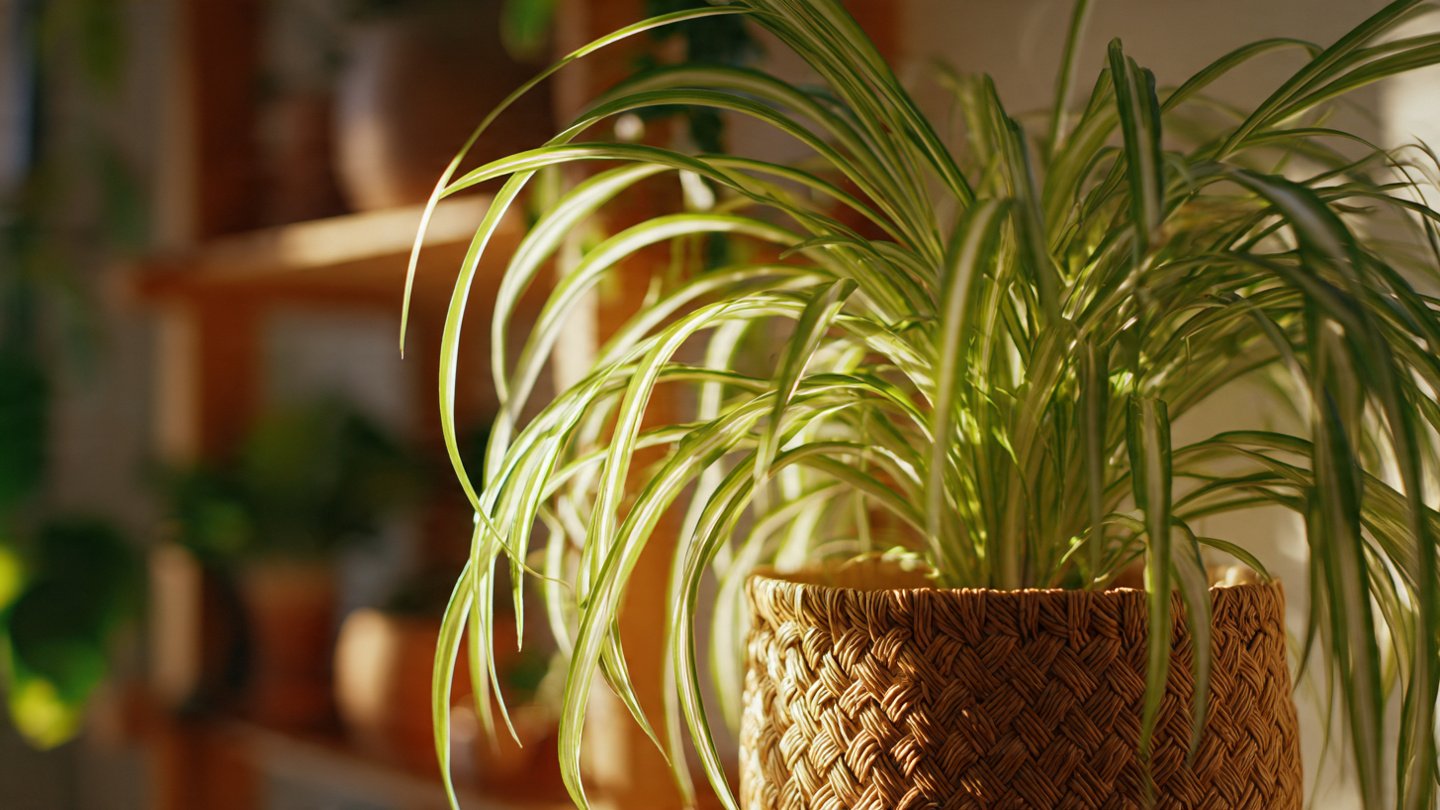
Spider plants (Chlorophytum comosum) are among the most popular houseplants worldwide. Known for their graceful arching leaves, low-maintenance nature, and ability to thrive in various indoor environments, spider plants are a favorite for beginners and experienced gardeners alike. While spider plants are easy to grow, many indoor gardeners face a common challenge: encouraging full, lush, and bushy growth. Without proper care, these plants may become leggy, sparse, or slow-growing. Fortunately, with a few targeted techniques, you can transform your spider plant into a vibrant, thriving centerpiece for your home.
1. Understanding Spider Plant Growth Patterns
Before diving into techniques for fuller growth, it’s important to understand how spider plants grow. Spider plants develop from a central crown, sending out long, narrow leaves in a rosette formation. Over time, the plant also produces runners, or stolons, which bear plantlets at their tips.
Key factors influencing growth include:
- Light: Adequate light promotes vigorous leaf production.
- Nutrients: A nutrient-rich environment fuels healthy growth.
- Watering: Proper hydration prevents stress that can lead to stunted or sparse foliage.
- Root health: A healthy root system supports leaf proliferation and overall plant vitality.
By understanding these natural growth tendencies, you can target care practices to maximize bushiness and volume.
2. Choosing the Right Container and Soil
The container and soil you choose significantly affect spider plant growth. Restrictive pots or poor soil can stunt development and reduce leaf density.
- Pot size: Spider plants prefer slightly snug pots that allow roots to fill the container but don’t become root-bound. Too large a pot can lead to excessive leaf growth without bushiness.
- Drainage: Ensure the pot has drainage holes. Spider plants dislike sitting in water, which can cause root rot and sparse foliage.
- Soil type: Use a well-draining potting mix rich in organic matter. A mix of peat, perlite, and garden compost encourages healthy roots and foliage development.
By providing an optimal growing medium, you give your spider plant a strong foundation for producing full and lush growth.
3. Providing Adequate Light
Light is one of the most critical factors in encouraging bushy growth. While spider plants tolerate low-light conditions, insufficient light often results in elongated, leggy leaves and sparse foliage.
- Bright, indirect light: Place your plant near a north or east-facing window, or provide filtered light from a sheer curtain.
- Avoid direct sunlight: Harsh, direct sunlight can scorch leaves and cause browning at the tips.
- Supplement with artificial light: In low-light homes, using LED or fluorescent grow lights for 10–12 hours a day can help maintain healthy, dense growth.
Consistent exposure to appropriate light encourages the production of multiple new leaves, giving your spider plant a fuller appearance.
4. Watering for Healthy Growth
Watering directly affects the plant’s energy allocation and leaf production. Overwatering or underwatering can stress the plant, leading to sparse or weak foliage.
- Keep soil slightly moist: Water when the top inch of soil feels dry. Avoid letting the plant sit in soggy soil.
- Even hydration: Water evenly across the soil surface to encourage balanced root growth.
- Adjust seasonally: Spider plants require more frequent watering during active growth in spring and summer and less in fall and winter.
Balanced watering promotes steady leaf growth, which is essential for developing a lush, bushy plant.
5. Fertilizing Correctly
Fertilization provides the nutrients necessary for vigorous growth. Without proper feeding, spider plants may produce fewer leaves, limiting bushiness.
- Use a balanced fertilizer: A general houseplant fertilizer with equal N-P-K ratios (like 10-10-10) supports leaf and root growth.
- Frequency: Feed once every 4–6 weeks during the active growing season (spring through summer). Reduce fertilization in fall and winter when growth slows.
- Avoid over-fertilization: Excessive fertilizer can cause leaf tip burn and stress the plant, resulting in sparse growth.
Providing the right nutrients encourages the production of multiple new leaves, increasing the overall volume of the plant.
6. Pruning and Trimming Techniques
Pruning is an often-overlooked technique for encouraging fuller growth. Proper trimming stimulates new leaf production and prevents the plant from becoming leggy.
- Remove damaged leaves: Trim yellow, brown, or dead leaves at the base. This redirects energy toward new growth.
- Trim long, straggly leaves: Cutting back excessively long leaves encourages the plant to produce new shoots closer to the crown.
- Control runners: Runners with plantlets can be left to propagate new plants or trimmed if you want the main plant to remain dense and compact.
Regular pruning encourages energy distribution toward the production of more leaves, creating a bushier appearance.
7. Repotting for Growth
Repotting is essential for maintaining a full, healthy spider plant. Over time, spider plants can become root-bound, restricting growth and reducing bushiness.
- Repot every 1–2 years: Transfer the plant to a slightly larger container to allow root expansion.
- Root trimming: If roots are densely packed, trim some of the older roots to stimulate new growth.
- Fresh soil: Use fresh potting mix during repotting to replenish nutrients and improve soil structure.
Repotting rejuvenates the plant, encouraging multiple new shoots and fuller foliage.
8. Encouraging New Shoots
New shoots or offsets are key to creating a bushy spider plant. Techniques that encourage the development of new shoots include:
- Pinching the crown: Gently pinch the central growth point to stimulate branching and the production of lateral shoots.
- Dividing mature plants: Mature plants can be divided at repotting, with each section forming its own dense foliage.
- Propagation and replanting: Plantlets produced from runners can be rooted and grown nearby to create the appearance of a fuller arrangement.
Encouraging new growth ensures your spider plant develops multiple leaf clusters, adding volume and lushness.
9. Maintaining Humidity and Temperature
Spider plants thrive in moderate humidity and consistent temperatures. Environmental stress can result in sparse growth or leaf curling.
- Optimal temperature: Keep the plant in a range of 65–75°F (18–24°C). Avoid cold drafts or sudden temperature changes.
- Humidity: Moderate indoor humidity helps prevent leaf tip browning and encourages vigorous growth. In dry environments, use a humidity tray or mist the plant occasionally.
- Avoid stress: Extreme heat, direct sun, or cold air can slow growth and reduce the number of new leaves.
Stable, comfortable conditions support continuous leaf production, which is essential for bushiness.
10. Pest and Disease Management
Healthy, pest-free plants are more likely to produce dense, bushy growth. Spider plants are generally resilient, but they can still face threats like aphids, mealybugs, or fungal infections.
- Regular inspection: Check the undersides of leaves and the crown for pests.
- Natural remedies: Use insecticidal soap, neem oil, or wipe leaves with a damp cloth to remove pests.
- Maintain cleanliness: Remove fallen leaves and debris to prevent fungal growth.
By keeping your plant healthy and stress-free, you encourage continuous, full growth.
11. Rotating and Rearranging
While often overlooked, rotating the plant ensures even light exposure, which promotes uniform leaf growth.
- Rotate every few weeks: Turn the pot so all sides receive adequate light.
- Avoid shaded areas: Plants in dim corners tend to grow leggy and sparse.
- Balance light and heat: Ensure the plant is not too close to heating vents or windows that may cause leaf scorching.
Even light distribution prevents uneven growth and encourages a symmetrical, bushy appearance.
12. Propagation Techniques for a Full Look
Spider plants produce “babies” on runners, which can be propagated to create a fuller display:
- Root plantlets in water: Place plantlets in water until roots form, then transfer to soil.
- Direct planting: Plant runners with developed roots directly in soil near the parent plant.
- Group plants: Multiple pots or clusters create the illusion of a larger, bushier plant in indoor spaces.
Propagation not only multiplies your spider plant collection but also enhances visual fullness and density.
13. Patience and Consistency
Finally, achieving a full and bushy spider plant requires patience and consistent care. These plants grow steadily over time, and following the right techniques will gradually result in lush foliage.
- Routine care: Stick to a watering, fertilizing, and pruning schedule.
- Monitor progress: Track new leaf production and adjust care as needed.
- Avoid rushing: Leaf production occurs naturally over time, and aggressive measures can stress the plant.
Consistency ensures a long-term, healthy, and bushy spider plant.
Conclusion
Encouraging full and bushy growth in spider plants involves understanding their growth patterns, providing optimal light, water, and nutrients, and using techniques like pruning, pinching, and propagation. By addressing root health, environmental conditions, and pest management, you can transform a sparse or leggy spider plant into a lush, vibrant centerpiece. With patience and consistent care, your spider plant will reward you with dense, arching foliage, healthy plantlets, and an overall aesthetic appeal that enhances any indoor space.
Whether you are a beginner or an experienced indoor gardener, applying these techniques will help you maximize the beauty and vitality of your spider plant, ensuring it remains full, bushy, and thriving year after year.