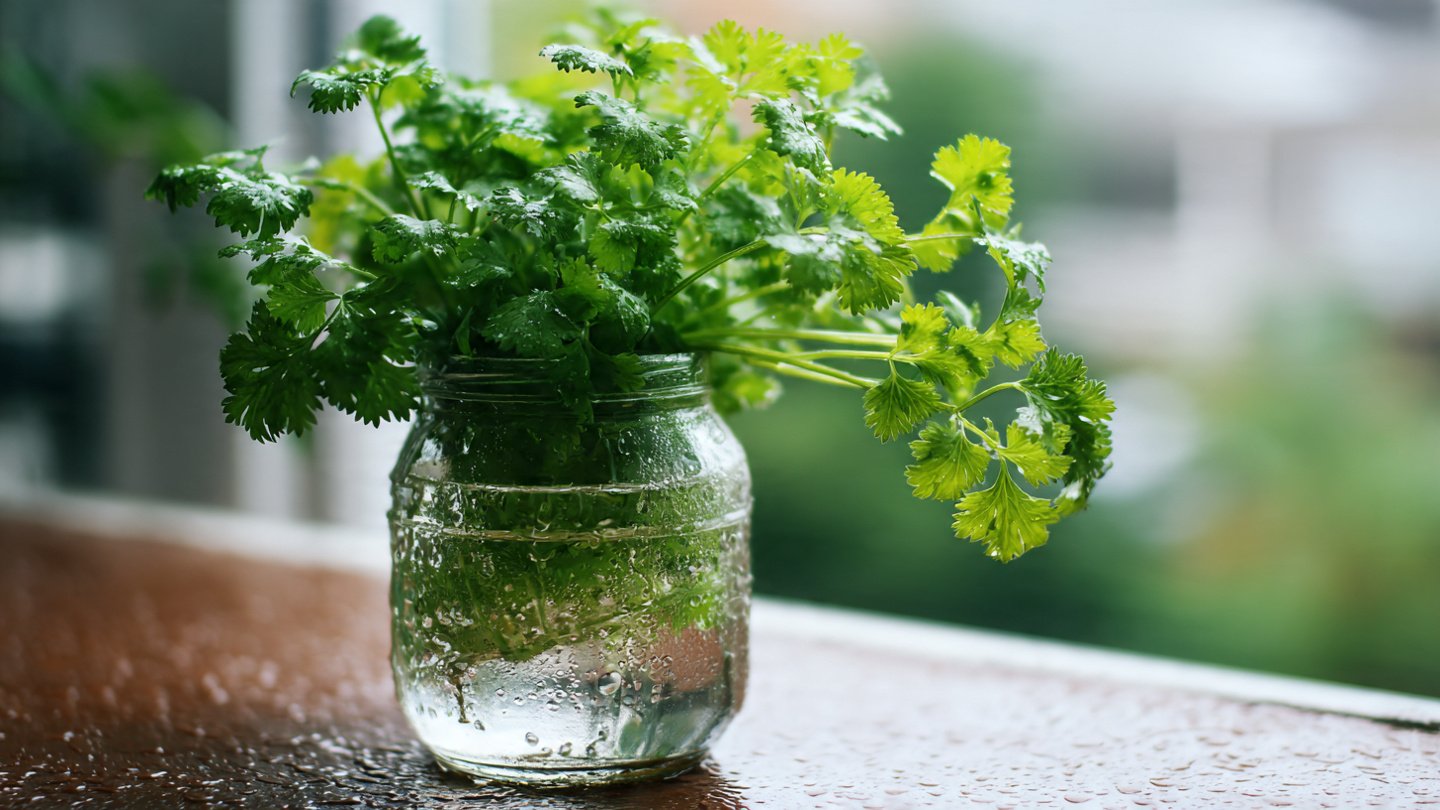
Coriander, also known as cilantro or dhania, is one of the most commonly used herbs in kitchens around the world. From chutneys and curries to soups and salads, its fresh aroma instantly enhances flavor. While most people grow coriander in soil, many gardeners are now discovering that coriander can also be grown successfully in water using simple, alternative methods. This approach is perfect for small homes, apartments, and anyone who wants fresh greens with minimal mess.
In this complete guide, you’ll discover how to grow coriander in water, explore alternative growing techniques, understand common mistakes, and learn how to harvest continuously for long-lasting results.
Why Grow Coriander in Water?
Growing coriander in water is not just a trend—it’s a practical and efficient method with several benefits:
- No soil required, making it cleaner and easier
- Ideal for balconies, windowsills, and kitchens
- Reduces pests and soil-borne diseases
- Saves space and water
- Perfect for beginners and urban gardeners
Water-grown coriander grows faster initially and provides quick access to fresh leaves, especially when you use the right method.
Can Coriander Really Grow in Water?
Yes, coriander can grow in water, but it’s important to understand one key thing:
Coriander grown in water thrives best for leaf production, not seed formation.
The goal is to enjoy fresh coriander leaves (cilantro), not mature plants with seeds. When done correctly, water-grown coriander can be harvested multiple times before replanting.
Best Coriander Varieties for Water Growing
Not all coriander varieties perform equally in water. Look for:
- Slow-bolting coriander seeds
- Indian desi coriander varieties
- Organic or untreated seeds
Avoid heavily processed seeds meant only for cooking, as they may not germinate properly.
Method 1: Growing Coriander in Water from Cuttings
This is the fastest and easiest method, perfect for beginners.
What You Need:
- Fresh coriander bunch with roots (from market or garden)
- Glass jar or bowl
- Clean water
Step-by-Step Guide:
- Select Healthy Stems
Choose coriander with fresh green leaves and visible white roots. - Trim the Stems
Cut off lower leaves, leaving about 2–3 inches of bare stem. - Place in Water
Put the roots into a glass of clean water. Make sure only the roots and lower stems touch water. - Position Correctly
Place near a bright window with indirect sunlight. - Change Water Regularly
Replace water every 2 days to prevent odor and algae growth.
Results:
- New leaves appear in 5–7 days
- Harvest within 2–3 weeks
This method works best for short-term harvesting.
Method 2: Growing Coriander in Water from Seeds (Hydro-Style)
Growing coriander from seeds in water takes more patience but allows longer harvesting.
What You Need:
- Coriander seeds
- Shallow container or net cup
- Cotton, sponge, or coco peat
- Water
Steps:
- Crush Seeds Gently
Lightly crack the seeds to speed up germination. - Soak Seeds Overnight
This improves sprouting success. - Prepare the Base
Place cotton or sponge in a container and moisten it. - Sow Seeds
Spread seeds evenly on the moist base. - Maintain Moisture
Keep the base wet but not submerged. - Provide Light
Place in bright indirect sunlight.
Results:
- Germination in 7–10 days
- Harvest in 25–30 days
Method 3: Growing Coriander Using the Kratky Method (No Electricity)
The Kratky method is a passive hydroponic system that doesn’t need pumps.
What You Need:
- Plastic container
- Net cups or holes in lid
- Coco peat or sponge
- Nutrient water (optional but recommended)
How It Works:
Roots grow down into the water, while the upper part remains exposed to air.
Benefits:
- Less frequent water changes
- Faster growth
- Stronger stems
This method is excellent for those wanting a semi-professional water-growing system at home.
Method 4: Growing Coriander in Bottles or Jars (Upcycled Containers)
You can easily reuse household items:
- Glass bottles
- Plastic water bottles
- Mason jars
Tips:
- Always keep water level below leaves
- Clean containers weekly
- Avoid direct afternoon sun
This eco-friendly method is great for kitchens and balconies.
Light Requirements for Water-Grown Coriander
Coriander needs 4–6 hours of bright indirect sunlight daily.
- Too much sun → yellow leaves
- Too little light → weak, leggy growth
If sunlight is limited, a simple LED grow light works well.
Nutrients: Do You Need Them?
Coriander can grow in plain water for a short time, but for healthier and longer-lasting growth, nutrients help.
Options:
- Liquid hydroponic nutrients (diluted)
- Compost tea (very light)
- Seaweed extract (once every 10–14 days)
Avoid overfeeding—less is more in water growing.
Common Problems and Solutions
Yellow Leaves
- Cause: Lack of nutrients or too much sunlight
- Fix: Add mild nutrients and move to indirect light
Bad Smell in Water
- Cause: Dirty water or decaying roots
- Fix: Change water frequently and trim damaged roots
Slow Growth
- Cause: Poor light or overcrowding
- Fix: Improve lighting and space plants evenly
How to Harvest Coriander Grown in Water
Harvesting correctly ensures continuous growth.
Best Practices:
- Cut outer leaves first
- Never remove more than one-third of the plant
- Use sharp scissors
Regular harvesting encourages bushier growth.
How Long Does Water-Grown Coriander Last?
- From cuttings: 2–4 weeks
- From seeds: 4–6 weeks
For continuous supply, start a new batch every 2–3 weeks.
Soil vs Water: Which Is Better?
| Feature | Water Growing | Soil Growing |
|---|---|---|
| Cleanliness | Very clean | Can be messy |
| Space | Minimal | Requires pots |
| Growth Speed | Fast initially | Steady |
| Longevity | Shorter | Longer |
Many gardeners combine both methods for year-round coriander.
Final Thoughts
Growing coriander in water is a simple, space-saving, and rewarding method for enjoying fresh herbs at home. Whether you use cuttings, seeds, jars, or hydroponic setups, these alternative methods allow anyone—beginner or experienced gardener—to grow coriander without soil.
By providing proper light, clean water, and gentle care, you can enjoy aromatic coriander leaves right from your kitchen window. Try experimenting with multiple methods and discover which one fits your lifestyle best.
Fresh coriander, grown effortlessly in water, is just a glass away.