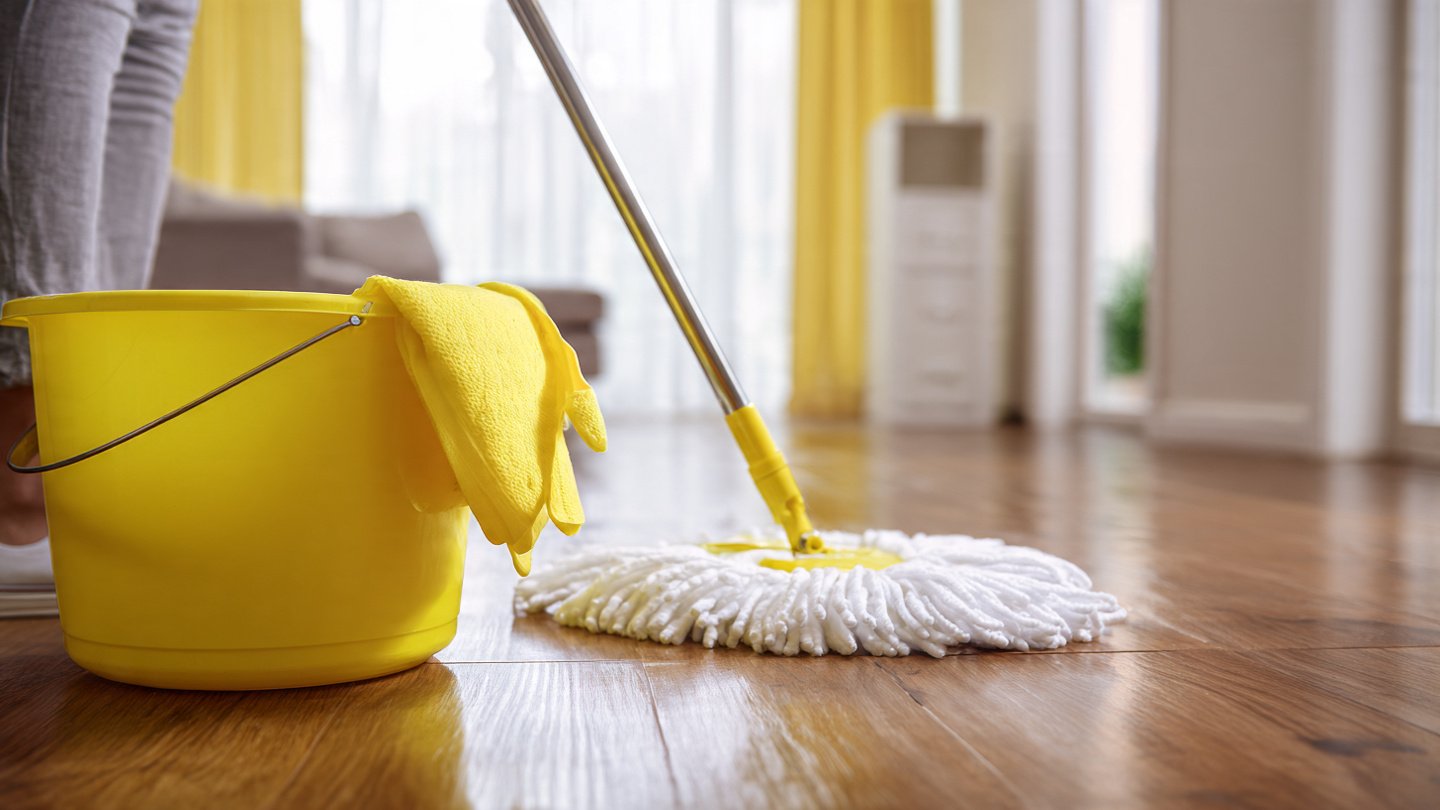
Keeping your home clean is often a balancing act. Among the many household chores, floor cleaning is one that can feel never-ending. Whether it’s hardwood, tile, laminate, or carpet, we all want floors that shine, smell fresh, and are safe to walk on. Yet, in the quest for spotless floors, many of us fall prey to common misconceptions that can waste time, drain energy, and sometimes even damage the very surfaces we aim to care for. In this article, we’ll explore the most pervasive floor cleaning myths and provide smarter, more efficient strategies for maintaining your floors.
Myth 1: You Need to Mop Every Day
One of the most common misconceptions about floor cleaning is that you must mop daily to maintain cleanliness. This belief is often reinforced by advertisements for cleaning products and cleaning services promising daily sparkle.
Why it’s a myth:
Most homes do not accumulate enough dirt, dust, or spills to justify daily mopping. In fact, excessive mopping can damage certain floor types. For instance, hardwood and laminate floors are particularly sensitive to water. Daily exposure to moisture can cause warping, swelling, or a dull finish over time.
Smart alternative:
Instead of mopping every day, focus on high-traffic areas. Sweeping or vacuuming daily may be sufficient, while mopping once or twice a week can keep floors clean without overdoing it. For busy households, spot-cleaning spills immediately is more effective than a full mop every day.
Myth 2: More Cleaning Product Means Cleaner Floors
Many homeowners believe that using a larger amount of cleaning solution will result in a better clean. From bubbles to strong fragrances, we often assume that more product equals more effectiveness.
Why it’s a myth:
Overusing cleaning products can leave residues, which actually attract more dirt and dust over time. This can make floors appear dull and even sticky, defeating the purpose of cleaning. In some cases, harsh chemicals can damage floor finishes, fade colors, or irritate skin and respiratory systems.
Smart alternative:
Follow the manufacturer’s instructions for cleaning products and dilute appropriately. A small amount of the right cleaner, combined with proper technique, is more effective than overloading your mop with soap.
Myth 3: Vacuuming Damages Hard Floors
Some people avoid vacuuming hard surfaces like hardwood, tile, or laminate because they believe the vacuum can scratch or harm the floor. This is a misconception that can cost you time and energy in the long run.
Why it’s a myth:
Modern vacuums designed for hard floors have soft bristles or gentle suction settings that clean without causing damage. In fact, vacuuming is often more efficient than sweeping because it captures fine dust and debris that brooms leave behind.
Smart alternative:
Use a vacuum specifically made for multi-surface cleaning or switch to the hard floor setting if your vacuum has one. This method reduces the need for frequent mopping and saves energy while keeping floors clean.
Myth 4: All Floor Types Require the Same Cleaning Method
It’s easy to assume that all floors can be treated the same way. A mop works on hardwood, tile, laminate, and even carpets—or so the myth goes.
Why it’s a myth:
Different floor materials require different care. For example, steam cleaning may be ideal for tiles but can warp laminate. Hardwood floors often require specific pH-neutral cleaners, while carpets benefit more from vacuuming and occasional deep cleaning rather than frequent wet treatments. Using the wrong method can reduce the lifespan of your floors and create more work over time.
Smart alternative:
Learn the proper maintenance method for each type of floor in your home. This may mean having a separate vacuum, mop, or cleaning solution for different areas. Tailoring your approach saves energy and prevents damage, making cleaning more efficient.
Myth 5: Wet Mopping is Always Better Than Dry Mopping
Many people believe that water and cleaning solution are essential for every cleaning session. The “wet mop for a perfect shine” mentality can be time-consuming and unnecessary.
Why it’s a myth:
Dry mopping, sweeping, or vacuuming can remove most dust, pet hair, and light dirt. Wet mopping is only necessary for sticky spills, stains, or areas where hygiene is critical, such as the kitchen or bathroom. Over-wetting floors can also lead to streaks, water spots, or long drying times, increasing the risk of slips and falls.
Smart alternative:
Use dry cleaning methods for everyday maintenance and reserve wet mopping for weekly cleaning or problem spots. Microfiber mops are excellent for trapping dust and dirt without water, reducing the effort required.
Myth 6: Homemade Cleaning Solutions Are Always Safe and Effective
DIY enthusiasts often turn to vinegar, baking soda, or other home remedies to clean floors. While some of these can be effective, believing that they’re universally safe is misleading.
Why it’s a myth:
Acidic substances like vinegar can damage certain surfaces, such as natural stone or hardwood, by dulling the finish. Baking soda is abrasive and may scratch delicate floors. Misusing these solutions can lead to more work in the long term.
Smart alternative:
Research the compatibility of any homemade solution with your floor type. In most cases, a mild, pH-neutral cleaner is the safest choice. If you prefer DIY, test the solution in a small, inconspicuous area first to avoid unwanted damage.
Myth 7: More Scrubbing = Cleaner Floors
Many people believe that vigorous scrubbing is the key to sparkling floors. This is particularly common in households with kids or pets, where messes seem constant.
Why it’s a myth:
Excessive scrubbing can wear down floor finishes, leaving surfaces dull or uneven. On tiles, it can erode grout lines over time, and on hardwood, it can remove protective coatings. Furthermore, scrubbing without the right technique or tools can be physically exhausting, wasting energy for minimal gain.
Smart alternative:
Focus on the right tools and technique rather than brute force. Microfiber mops, soft-bristle brushes, and appropriate cleaners often remove dirt with minimal effort. Let cleaning products work for you—give them a few minutes to break down grime before wiping or mopping.
Myth 8: High-End Products Automatically Make Cleaning Faster
It’s tempting to believe that expensive cleaning solutions, specialized mops, or fancy vacuums will instantly save time. While quality products can help, they aren’t magic.
Why it’s a myth:
Even the best tools won’t compensate for poor technique, inconsistent cleaning habits, or lack of planning. Spending more on products won’t necessarily reduce the time or energy spent if you’re using them inefficiently.
Smart alternative:
Invest in products that suit your floor type and cleaning habits, but combine them with smart scheduling, proper tools, and efficient methods. Often, a moderate investment plus good habits yields better results than premium products alone.
Myth 9: You Should Avoid Cleaning in Certain Weather
Some homeowners postpone floor cleaning in rainy or humid conditions, thinking it will be ineffective or damaging.
Why it’s a myth:
While it’s true that high humidity can slow drying times for wet-mopped floors, skipping cleaning isn’t necessary. Delaying cleaning may even worsen buildup, making your next session more time-consuming.
Smart alternative:
Plan your cleaning routine based on traffic and necessity rather than weather. If humidity is high, use fans or ventilation to speed up drying, or rely on dry cleaning methods for those days.
Myth 10: Cleaning Floors is a Solo Effort
Many people believe floor cleaning is a chore best done alone. This myth often leads to overexertion and fatigue, especially in large homes.
Why it’s a myth:
Cleaning efficiency improves dramatically when chores are shared. Even simple strategies like assigning different rooms or tasks to household members can cut cleaning time in half.
Smart alternative:
Create a shared cleaning schedule. Rotate responsibilities among family members or roommates to reduce individual workload. Use tools like lightweight mops or robotic vacuums to supplement human effort. Collaboration not only saves time but makes the task less stressful.
Conclusion
Daily floor cleaning myths can easily trap homeowners into inefficient routines that consume time, energy, and even money. From believing you need to mop every day to overusing cleaning products, these misconceptions often cause more harm than good. The key to effective floor care lies in understanding your floor type, using appropriate tools, and adopting smart cleaning habits.
By separating fact from fiction, you can maintain clean, healthy, and beautiful floors without unnecessary effort. Remember: smart cleaning is not about doing more, but doing it right. With the right approach, you’ll save energy, protect your floors, and reclaim time for the things that truly matter.