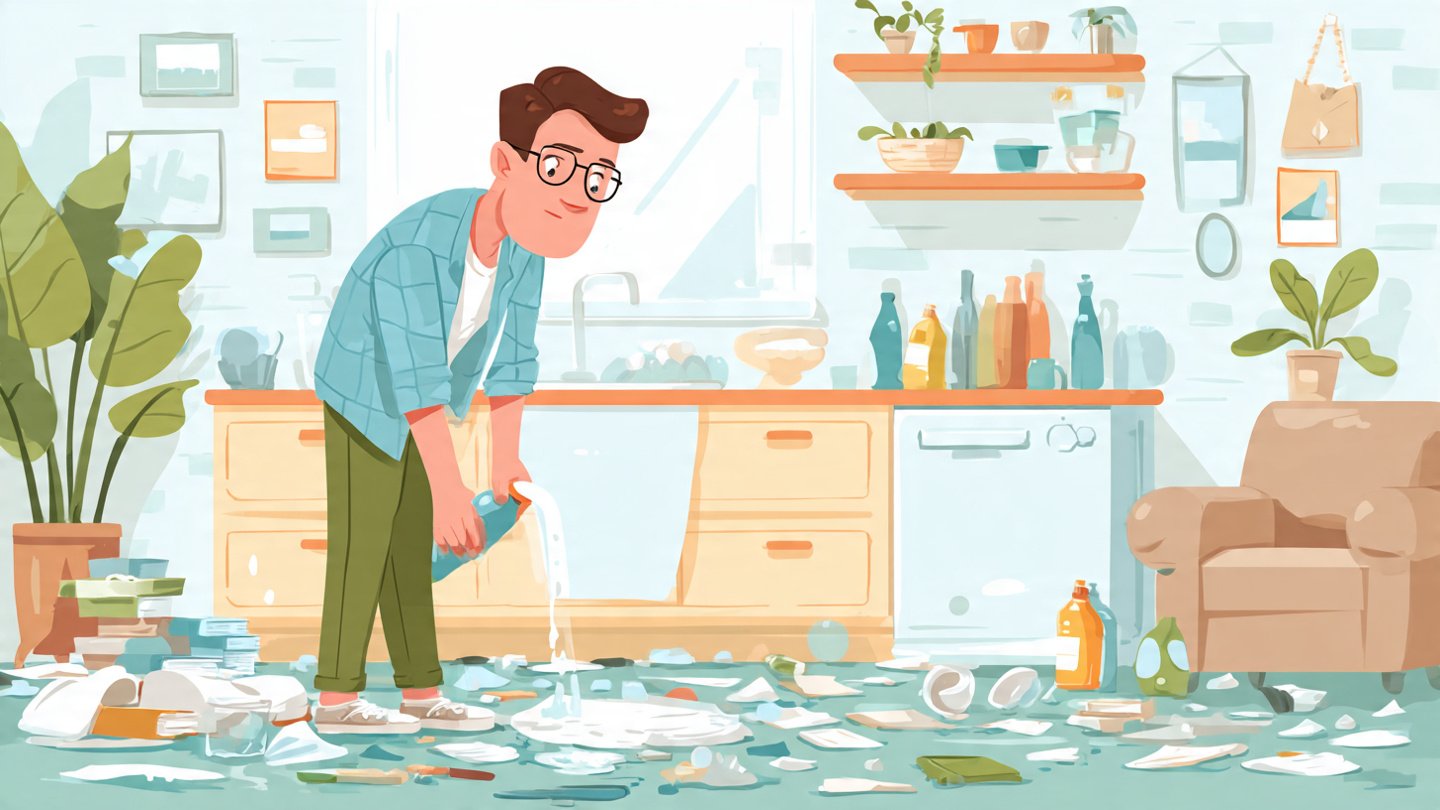
A cluttered home or workspace can affect more than just your environment—it can impact your mental clarity, productivity, and overall sense of well-being. Mess tends to accumulate gradually, often without us noticing, until it becomes overwhelming. The key to maintaining a tidy, organized, and inviting space isn’t necessarily in large, exhaustive cleaning sessions but in developing consistent daily habits that prevent mess from snowballing. By integrating simple routines into your everyday life, you can enjoy a cleaner, more organized space without spending hours scrubbing or decluttering.
1. Make Your Bed Every Morning
It might sound trivial, but making your bed is one of the simplest and most effective daily habits for keeping your space tidy. Starting your day with a completed task creates a sense of accomplishment and sets a productive tone for the rest of the day. A made bed instantly makes a bedroom look organized, reducing visual clutter and giving the impression of cleanliness even if other areas need attention.
Tips:
- Keep bedding simple to make the task quick.
- Fluff pillows and straighten sheets immediately after getting up.
- Consider a minimalist approach—less decor means less to tidy daily.
2. Tackle Dishes Immediately
One of the biggest contributors to household mess is dirty dishes. Letting dishes pile up can lead to kitchen chaos, lingering odors, and even pest problems. Make it a habit to wash dishes or load the dishwasher right after meals.
Tips:
- Rinse dishes immediately to prevent food from hardening.
- Use a two-step approach: wash during the day and run the dishwasher at night.
- Keep the sink area clear—an empty sink discourages clutter from accumulating.
3. Clean as You Go in the Kitchen
The kitchen is a hotspot for mess, but cleaning as you cook can prevent the need for a major post-meal cleanup. Wipe counters, put away ingredients, and handle spills immediately. Small actions while cooking save time later and prevent grease, crumbs, and stains from setting in.
Tips:
- Keep a damp cloth nearby to wipe spills immediately.
- Put ingredients back in their place once you’ve used them.
- Use a cutting board with a tray underneath to contain mess when chopping.
4. Sort Mail and Paperwork Daily
Paper clutter can quickly take over your living space if not managed daily. A simple habit of sorting mail, bills, and paperwork as soon as it arrives can prevent mountains of paper from forming.
Tips:
- Have a designated spot for important documents and another for items to discard.
- Recycle or shred unwanted papers immediately.
- Consider digital statements and online bills to reduce paper clutter.
5. Keep Surfaces Clear
Flat surfaces like tables, countertops, and desks tend to collect items that can create visual clutter. Make it a daily habit to clear surfaces before going to bed. A clutter-free surface not only makes the space look cleaner but also reduces stress and improves focus.
Tips:
- Limit decorative items to essentials that you enjoy.
- Use small baskets or trays to corral items that tend to accumulate.
- Spend 5–10 minutes nightly putting items back in their designated places.
6. Implement the One-Minute Rule
The one-minute rule is simple: if a task takes less than one minute, do it immediately. This can include putting away shoes, tossing a used napkin in the trash, or hanging up a coat. These small, immediate actions prevent minor messes from becoming major cleaning tasks.
Tips:
- Mentally identify quick tasks as you move through your day.
- Keep cleaning supplies accessible for spontaneous cleanups.
- Encourage family members or housemates to adopt the same mindset.
7. Laundry Maintenance
Laundry can quickly pile up if left unchecked. Establishing a daily habit of handling laundry in small increments can prevent overwhelming laundry days.
Tips:
- Do one load a day or every other day, depending on your household size.
- Fold and put away clothes immediately after drying.
- Keep hampers organized to prevent clothes from ending up on chairs or the floor.
8. Bathroom Reset
Bathrooms can become messy quickly, especially with multiple users. A daily “reset” can keep it functional and clean without deep scrubbing sessions.
Tips:
- Wipe down the sink and faucet after use.
- Hang towels neatly and replace damp towels with fresh ones.
- Take 2–3 minutes nightly to quickly wipe the mirror or counter if necessary.
9. Declutter While You Walk
Another simple habit is to declutter while moving through your home. Pick up items that are out of place in each room you enter. This reduces the amount of mess that accumulates in any one area and spreads the cleaning load across the day instead of confining it to a single, exhausting session.
Tips:
- Carry a small basket to gather items as you walk through rooms.
- Return items to their proper location immediately.
- Encourage others in your household to practice the same habit.
10. Evening Cleanup Routine
A quick 10–15 minute cleanup before bed can set your home up for success the following day. Focus on high-traffic areas, the kitchen, and living spaces. This habit ensures you wake up to a cleaner environment, which can improve mood and productivity.
Tips:
- Set a timer to avoid burnout.
- Focus on 3–5 key areas rather than trying to clean everything.
- Make it a family activity to share the responsibility.
11. Storage Solutions and Organization
Good storage and organization make maintaining cleanliness much easier. Invest in functional storage solutions that fit your lifestyle, such as labeled bins, baskets, drawer organizers, or shelving. Proper organization ensures that each item has a home, making it easier to return items to their proper place daily.
Tips:
- Label storage containers for easy identification.
- Use vertical storage to maximize space.
- Periodically reassess storage needs to avoid clutter creep.
12. Adopt Minimalism Mindset
One of the most effective long-term habits for preventing mess is to reduce the number of unnecessary items in your home. The fewer items you own, the less there is to clean and organize.
Tips:
- Regularly declutter and donate items you no longer use.
- Avoid impulse purchases, especially for items that tend to add clutter.
- Focus on quality over quantity—fewer, better items reduce mess and stress.
13. Use Timed Cleaning Bursts
For those who struggle with dedicating large chunks of time to cleaning, timed bursts can help. Set a timer for 10–15 minutes and focus on cleaning as much as possible within that time. Daily mini-cleaning sessions prevent mess from accumulating and make cleaning feel manageable.
Tips:
- Play upbeat music to make it more enjoyable.
- Rotate areas of focus each day to cover the whole home over the week.
- Celebrate small victories to stay motivated.
14. Encourage Household Participation
If you live with family or roommates, involving everyone in daily cleaning habits is crucial. A shared commitment ensures that no one person feels burdened and helps maintain a consistently clean environment.
Tips:
- Assign simple daily tasks to each person.
- Set a routine that everyone can follow, such as a nightly 10-minute cleanup.
- Reward consistency with small incentives or recognition.
Conclusion
Preventing mess growth is all about consistency and small, intentional actions. By incorporating daily habits like making your bed, washing dishes immediately, wiping surfaces, sorting mail, and involving household members, you can maintain a clean and organized home with minimal stress. Over time, these habits become automatic, and the effort needed to maintain cleanliness decreases significantly. A tidy environment not only looks pleasant but also fosters a sense of calm, improves productivity, and enhances overall well-being. Remember, the key isn’t perfection—it’s daily progress. Even just a few minutes of cleaning each day can prevent mess from taking over your life. Start with small habits today, and enjoy a cleaner, more organized home tomorrow.