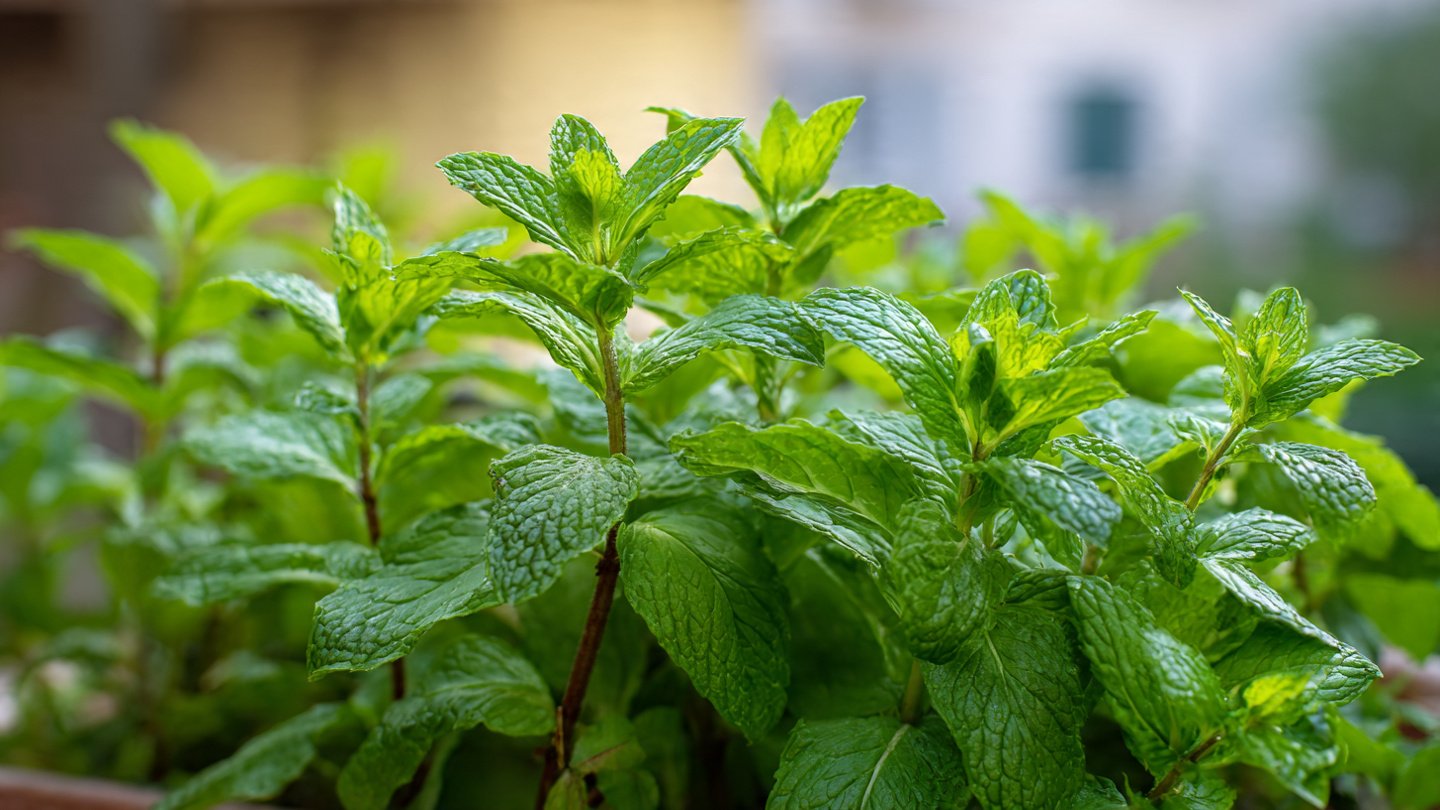
Mint (Mentha spp.) is one of the most versatile and fragrant herbs you can grow at home. Its vibrant aroma, refreshing flavor, and culinary versatility make it a favorite for teas, cocktails, salads, sauces, and desserts. Beyond its culinary uses, mint also offers medicinal benefits, such as aiding digestion, relieving headaches, and refreshing the breath. Growing mint at home ensures a daily supply of fresh leaves, reduces dependence on store-bought herbs, and can even enhance your garden with its lush green foliage.
With the right approach, you can cultivate a thriving mint garden that produces abundant harvests throughout the year. This comprehensive guide walks you through everything beginners and seasoned gardeners need to know about growing mint successfully.
Why Grow Mint at Home?
Homegrown mint has several advantages:
- Freshness: Harvest leaves daily for maximum flavor.
- Cost Savings: Avoid frequent trips to the grocery store for fresh mint.
- Easy to Grow: Mint is resilient and grows well in containers, gardens, and even small spaces.
- Pest Resistance: Mint naturally deters certain pests like ants and mosquitoes.
- Continuous Harvests: With proper care, mint produces leaves continuously without replanting.
By cultivating mint, you can enjoy a steady, aromatic supply of this versatile herb while adding greenery to your home or garden.
Step 1: Selecting the Right Mint Variety
Mint comes in several varieties, each with its unique flavor and aroma:
- Peppermint (Mentha × piperita): Strong, refreshing flavor, ideal for teas and desserts.
- Spearmint (Mentha spicata): Mild, sweet flavor perfect for salads, beverages, and garnishes.
- Chocolate Mint: Subtle chocolate undertones add a unique twist to desserts and drinks.
- Apple Mint: Fruity aroma and flavor, great for jellies and teas.
Choose the variety that matches your culinary preferences and growing conditions. Many gardeners opt to grow multiple varieties in separate pots to prevent cross-contamination of flavors.
Step 2: Choosing Containers or Garden Space
Mint is a vigorous and invasive plant, spreading rapidly via underground rhizomes. To prevent it from overtaking your garden, containers are often the best choice:
- Container Size: Use pots at least 10–12 inches deep for healthy root development.
- Drainage: Ensure containers have drainage holes to prevent waterlogging.
- Material: Plastic, ceramic, or clay pots are suitable. Clay pots are breathable and reduce water retention, while plastic pots are lightweight and easier to move.
- Garden Beds: If planting in the ground, consider using barriers or dedicated beds to control growth.
Containers also allow mobility, enabling you to move mint to sunny spots or indoors during extreme weather.
Step 3: Preparing the Soil
Mint thrives in moist, nutrient-rich, well-draining soil:
- Soil Mix: Combine garden soil with compost or well-rotted manure.
- pH Level: Slightly acidic to neutral (6.0–7.0) is ideal for optimal growth.
- Organic Matter: Adding organic matter improves soil structure and retains moisture.
Healthy soil ensures mint develops strong roots, lush foliage, and continuous harvests.
Step 4: Planting Mint
Mint can be propagated from seeds, cuttings, or starter plants:
- From Seeds: Sow seeds on the soil surface and cover lightly. Keep soil moist; germination occurs within 10–15 days.
- From Cuttings: Place 4–6 inch cuttings in water until roots form, then transplant to soil.
- From Starter Plants: Buy healthy seedlings from nurseries for a head start.
When planting, space mint plants about 12 inches apart to allow airflow and prevent overcrowding.
Step 5: Watering and Moisture Management
Mint loves consistently moist soil, but overwatering can harm roots:
- Frequency: Water when the top inch of soil feels dry.
- Even Moisture: Keep soil evenly moist to promote tender, flavorful leaves.
- Mulching: Use straw, leaves, or shredded paper to retain soil moisture and suppress weeds.
Proper watering ensures your mint stays healthy, vibrant, and aromatic.
Step 6: Light Requirements
Mint grows best in partial to full sunlight:
- Partial Sun: 4–6 hours of sunlight daily is sufficient for most varieties.
- Indirect Light: In hot climates, mint benefits from afternoon shade to prevent leaf scorching.
- Indoor Growing: Place mint near windows with bright indirect light or supplement with LED grow lights.
Balanced light promotes vibrant, aromatic leaves without burning or stunting growth.
Step 7: Fertilization
Mint is not highly demanding, but occasional feeding boosts growth:
- Organic Fertilizers: Compost tea, worm castings, or diluted kitchen liquid fertilizer.
- Balanced Fertilizer: A general-purpose NPK (10-10-10) fertilizer applied once a month encourages healthy foliage.
- Avoid Over-Fertilization: Excess nitrogen can reduce flavor intensity.
Fertilization helps produce lush, flavorful leaves for daily harvesting.
Step 8: Pruning and Maintenance
Regular pruning is key to maintaining healthy, productive mint plants:
- Pinching Tips: Trim the top 2–3 inches regularly to encourage bushier growth.
- Harvesting: Remove mature leaves from the outside while leaving inner leaves to continue growing.
- Flower Removal: Pinch off flowers promptly to prevent seeding and maintain leaf quality.
Pruning ensures continuous harvests and prevents mint from becoming woody or leggy.
Step 9: Controlling Pests and Diseases
Mint is generally resilient but can encounter pests like aphids, spider mites, and whiteflies:
- Natural Remedies: Spray with neem oil or a mild soap solution.
- Air Circulation: Space plants properly and avoid overcrowding.
- Regular Inspection: Check leaves weekly for early signs of infestation.
Healthy plants are less prone to diseases like powdery mildew or rust, ensuring abundant harvests.
Step 10: Harvesting for Daily Use
Mint can be harvested as soon as plants are established:
- Frequency: Pick leaves every 2–3 days for a steady supply.
- Technique: Harvest outer leaves first, leaving the center intact for continued growth.
- Flavor Peak: Pick leaves in the morning after dew evaporates for the best flavor.
Regular harvesting stimulates new growth, providing a constant supply of fresh mint for your kitchen.
Step 11: Winter Care
Mint is hardy but requires special care in colder months:
- Indoor Growing: Move containers indoors if temperatures drop below 50°F (10°C).
- Reduce Watering: Water less frequently during dormancy but keep soil slightly moist.
- Light Supplement: Use grow lights if indoor light is limited.
Winter care ensures your mint continues producing flavorful leaves year-round.
Step 12: Propagating Mint for Expansion
One of the best aspects of mint is how easily it multiplies:
- Division: Separate root clumps and replant in new containers or garden beds.
- Cuttings: Root cuttings in water and transplant for additional plants.
Propagation allows you to expand your mint garden effortlessly, ensuring a steady supply for friends, family, or multiple kitchen stations.
Tips for a Thriving Mint Garden
- Container vs. Ground: Use containers to control spreading and prevent invasive growth.
- Succession Planting: Sow new seeds or cuttings every few weeks to ensure continuous harvest.
- Clean Harvesting: Wash leaves gently to remove dust or pests before use.
- Flavor Preservation: Dry or freeze excess leaves for future use.
- Rotate Containers: Move pots occasionally for even light distribution.
Following these simple tips guarantees consistent, abundant growth and high-quality leaves.
Benefits of Growing Your Own Mint
- Culinary Uses: Fresh leaves for teas, beverages, salads, sauces, desserts, and garnishes.
- Medicinal Value: Helps digestion, reduces headaches, and provides natural aromatherapy.
- Cost-Effective: Less expensive than buying fresh leaves regularly.
- Eco-Friendly: Reduces reliance on packaged herbs and plastic packaging.
- Decorative Appeal: Adds greenery and aroma to indoor and outdoor spaces.
Mint is a versatile, rewarding herb that enhances your home garden and kitchen alike.
Conclusion
Cultivating a thriving mint garden at home is easy, cost-effective, and rewarding. By selecting the right variety, planting in containers or controlled garden spaces, providing balanced sunlight and water, and practicing regular pruning and maintenance, you can enjoy daily fresh harvests of aromatic, flavorful leaves.
Key takeaways for success include:
- Choose suitable containers and well-draining soil.
- Maintain consistent moisture and provide partial to full sunlight.
- Fertilize lightly to encourage vigorous growth.
- Harvest leaves regularly and prune flowers for continuous production.
- Propagate through cuttings or division to expand your mint supply.
With these simple methods, even beginners can create a lush, productive mint garden. Whether for culinary delights, natural remedies, or aromatic home décor, homegrown mint provides freshness, flavor, and satisfaction every day.