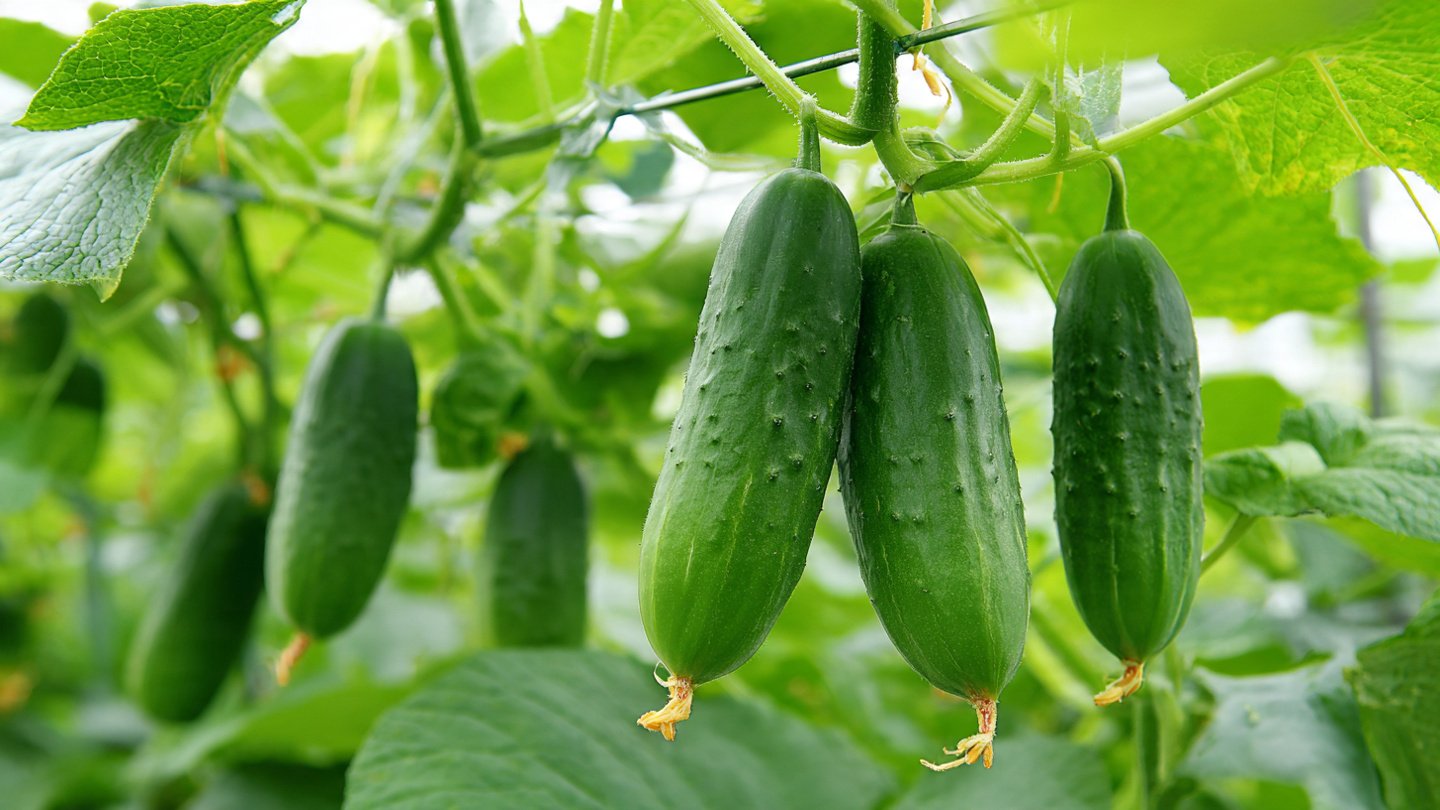
Cucumbers are one of the most rewarding vegetables you can grow at home. Fast-growing, highly productive, and incredibly refreshing, they thrive in warm weather and offer generous harvests when given the right care. Yet many home gardeners struggle with bitter fruits, poor yields, or weak vines—problems that are almost always preventable.
This comprehensive guide walks you through essential cucumber growing tips that ensure strong plants, crisp fruits, and consistent harvests, whether you’re gardening in the ground, containers, or even recycled planters.
Why Cucumbers Are Perfect for Home Gardens
Cucumbers are beginner-friendly and adaptable, making them ideal for small spaces and urban gardens.
Benefits of Growing Cucumbers at Home
- Quick harvest (ready in 45–60 days)
- High yield from just a few plants
- Suitable for containers, balconies, and vertical gardens
- Fewer pests when grown organically
- Fresh, chemical-free produce for daily use
With proper care, one healthy plant can produce dozens of cucumbers in a season.
Choosing the Right Cucumber Variety
Selecting the right variety sets the foundation for success.
Popular Types
- Slicing cucumbers – Long, crisp, ideal for salads
- Pickling cucumbers – Shorter, firm, perfect for preserves
- Bush varieties – Best for containers and small spaces
- Vining varieties – High yield, ideal for trellises
Look for disease-resistant varieties labeled for your local climate, especially if humidity is high.
Best Time to Plant Cucumbers
Cucumbers love warmth and sunlight.
Ideal Conditions
- Temperature: 20–35°C (68–95°F)
- Soil temperature: Above 18°C (65°F)
- Full sun: Minimum 6–8 hours daily
In cooler regions, wait until all frost danger has passed. In warmer climates, cucumbers can be grown in multiple cycles.
Soil Preparation for Healthy Growth
Healthy soil is the secret to crisp, flavorful cucumbers.
Ideal Soil Characteristics
- Loose and well-draining
- Rich in organic matter
- Slightly acidic to neutral pH (6.0–7.0)
Recommended Soil Mix
- 40% garden soil
- 30% compost or vermicompost
- 20% coco peat
- 10% sand or perlite
Avoid compacted soil—cucumber roots need oxygen to thrive.
How to Plant Cucumbers Correctly
From Seeds
- Soak seeds for 6–8 hours before planting
- Sow seeds 1–2 cm deep
- Space plants 12–18 inches apart
- Water gently but thoroughly
From Seedlings
- Transplant when seedlings have 2–3 true leaves
- Handle roots carefully—they dislike disturbance
Planting directly into the final container or garden bed is often best.
Sunlight and Airflow Requirements
Cucumbers grow best with full sunlight and good ventilation.
- Insufficient sunlight leads to weak vines and poor flowering
- Poor airflow increases fungal disease risk
Vertical growing using trellises improves sunlight exposure, saves space, and keeps fruits clean.
Watering Tips for Juicy, Non-Bitter Cucumbers
Inconsistent watering is the main cause of bitter cucumbers.
Watering Guidelines
- Water deeply 3–4 times a week
- Increase frequency during flowering and fruiting
- Keep soil consistently moist, not soggy
- Avoid wetting leaves late in the day
Mulching with straw or dry leaves helps retain moisture and regulate soil temperature.
Feeding Cucumbers for Maximum Yield
Cucumbers are heavy feeders and benefit from regular nutrition.
Best Organic Fertilizers
- Compost or vermicompost every 2–3 weeks
- Compost tea or liquid seaweed every 15 days
- Banana peel water for potassium
- Wood ash (sparingly) for flowering support
Avoid excess nitrogen—it promotes leaves but reduces fruit production.
Importance of Pollination
Cucumbers need proper pollination to form straight, full fruits.
How to Improve Pollination
- Grow pollinator-friendly flowers nearby
- Avoid chemical pesticides
- Gently hand-pollinate using a soft brush
- Grow both male and female flowers (most varieties do naturally)
Poor pollination often causes misshapen or stunted cucumbers.
Pruning and Training for Bigger Harvests
Pruning helps redirect plant energy into fruit production.
Pruning Tips
- Remove weak side shoots near the base
- Trim excess leaves blocking sunlight
- Guide vines onto trellises or strings
Proper training improves airflow, reduces disease, and boosts yield.
Common Cucumber Problems and Easy Solutions
Bitter Cucumbers
- Cause: Water stress, heat stress, or nutrient imbalance
- Solution: Consistent watering and mulching
Yellowing Leaves
- Cause: Overwatering or nutrient deficiency
- Solution: Improve drainage and feed compost tea
Flower Drop
- Cause: Heat stress or lack of pollination
- Solution: Provide shade during extreme heat and improve pollinator access
Pest and Disease Management (Organic)
Common Pests
- Aphids
- Whiteflies
- Spider mites
Natural Control Methods
- Neem oil spray weekly
- Soap water spray
- Remove infected leaves promptly
Healthy plants are naturally more pest-resistant.
Harvesting Cucumbers at the Right Time
Harvesting at the right stage ensures crisp texture and better flavor.
Harvest Tips
- Pick cucumbers while firm and green
- Harvest every 2–3 days during peak season
- Use scissors or a sharp knife to avoid vine damage
Overripe cucumbers reduce future production.
Growing Cucumbers in Containers or Small Spaces
Cucumbers grow exceptionally well in containers.
Container Tips
- Minimum pot size: 12–15 inches deep
- Use lightweight, well-draining soil
- Provide strong support or trellis
- Water more frequently than ground-grown plants
Bush varieties are ideal for balconies and terraces.
End-of-Season Care and Replanting
After harvest:
- Remove old vines
- Refresh soil with compost
- Rotate crops to prevent disease buildup
In warm climates, cucumbers can be grown multiple times a year.
Final Thoughts: Grow Crisp Cucumbers with Confidence
Growing cucumbers at home doesn’t require expert skills—just consistency, sunlight, and good soil care. By following these essential cucumber growing tips, you can enjoy big, healthy harvests filled with crisp, flavorful fruits straight from your garden.
Whether you’re planting in raised beds, recycled containers, or vertical trellises, cucumbers reward your efforts generously. With each harvest, you’ll experience the satisfaction of fresh, homegrown success.