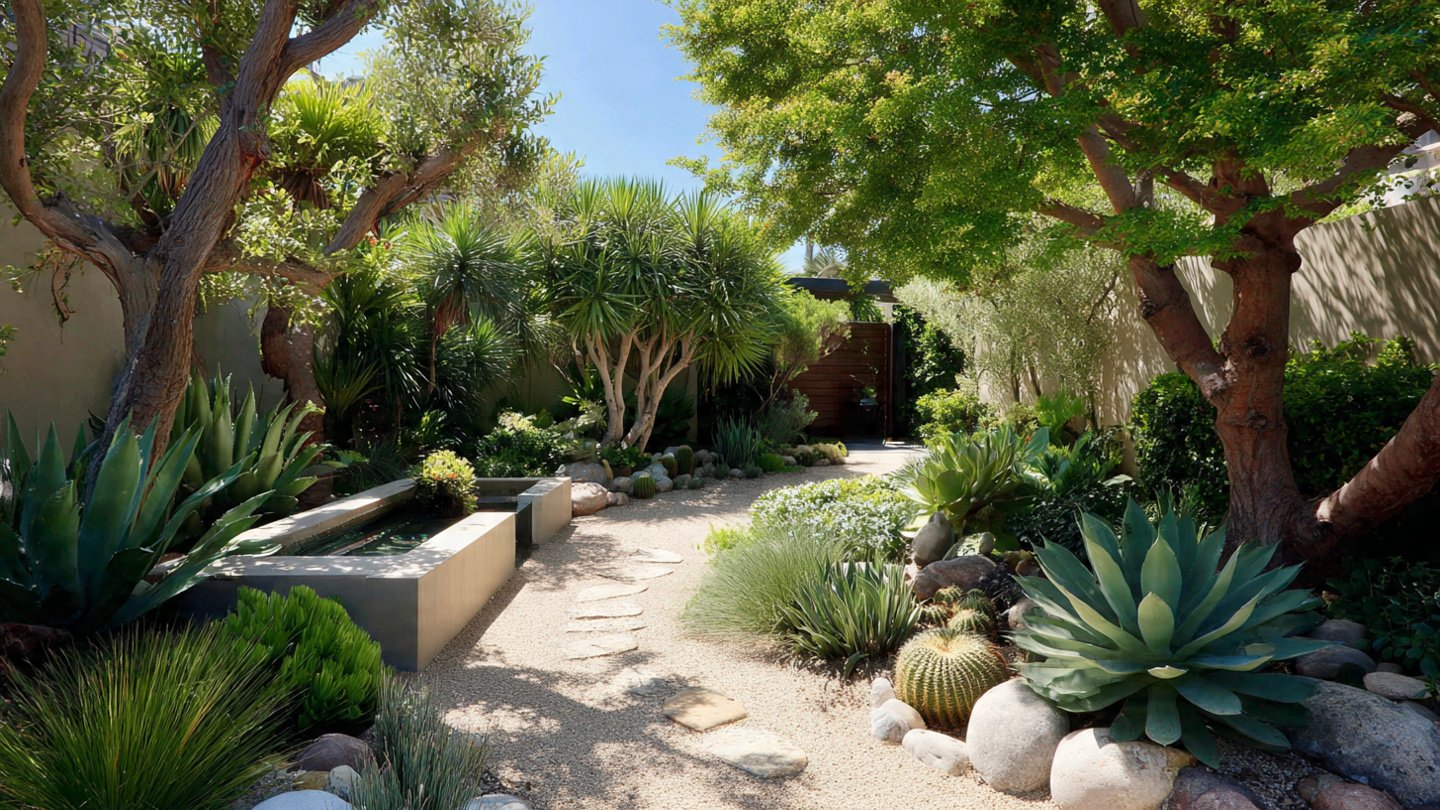
Designing a modern outdoor space that balances elegance, functionality, and low maintenance can be a challenge. One of the standout plants that can help you achieve this balance is the Century Plant (Agave americana). Known for its dramatic rosette form, striking architectural silhouette, and resilience, the Century Plant is a favorite for contemporary landscape designs. Incorporating it thoughtfully can transform any outdoor area into a sophisticated, desert-inspired oasis.
1. Understanding the Century Plant
Before integrating the Century Plant into your landscape, it’s essential to understand its characteristics:
- Appearance: The Century Plant features thick, fleshy leaves that radiate from a central core, forming a symmetrical rosette. Leaves are usually gray-green with sharp terminal spines, adding visual interest and a bold statement.
- Size: Mature plants can reach up to 6 feet wide and 5 feet tall, making them ideal focal points in any design.
- Longevity: Despite its name, the plant does not live a century; it typically blooms once in 10–30 years, then dies, but offsets (pups) continue the life cycle.
- Climate tolerance: Century Plants are drought-tolerant and thrive in hot, arid environments, making them perfect for water-wise landscaping.
This combination of dramatic form, minimal care requirements, and resilience makes the Century Plant a natural choice for contemporary gardens.
2. Why Century Plant Fits Contemporary Design
Contemporary landscape design emphasizes clean lines, geometric shapes, and minimalism. Century Plants naturally complement these principles:
- Architectural appeal: The symmetrical rosettes of Agave americana provide a sculptural quality that aligns with modern design aesthetics.
- Minimalism: Their bold structure reduces the need for multiple plants, simplifying the landscape while still creating impact.
- Texture contrast: The stiff, spiky leaves contrast beautifully with soft grasses, smooth stones, or water features, adding depth and interest.
- Low-maintenance beauty: Modern gardens often prioritize function and sustainability; the drought tolerance and minimal upkeep of Century Plants align perfectly with these goals.
By selecting plants with strong visual presence and minimal upkeep, you can achieve a refined, contemporary oasis without overcomplicating your design.
3. Planning Your Century Plant Layout
Placement and arrangement are critical when using Century Plants in a modern landscape:
- Focal points: Use a single, large Century Plant as a centerpiece in a courtyard, patio, or garden bed. Its architectural form naturally draws attention.
- Symmetrical arrangements: For a structured look, plant them in symmetrical pairs or grids along pathways, entrances, or borders.
- Mixed textures: Combine Century Plants with ornamental grasses, succulents, or low shrubs to create visual contrast and soften the harshness of spiky leaves.
- Scale consideration: Ensure your Century Plant does not overwhelm smaller spaces. Consider dwarf varieties like Agave americana ‘Marginata’ for compact areas.
A thoughtfully planned layout ensures the Century Plant enhances the modern aesthetic rather than dominating the space.
4. Soil and Sun Requirements
Century Plants thrive in specific conditions that mimic their natural desert habitat:
- Sunlight: Full sun exposure is essential. Century Plants flourish under at least six hours of direct sunlight per day. They can tolerate light shade but may lose some of their dramatic form.
- Soil: Well-draining soil is crucial to prevent root rot. Sandy or rocky soils are ideal. If your garden has clay-heavy soil, consider raised beds or amending soil with sand and gravel.
- Watering: Minimal irrigation is required once established. Overwatering can harm the plant, so it’s best suited for xeriscaping or low-water landscapes.
Understanding these requirements ensures your Century Plant remains healthy and visually striking year-round.
5. Complementary Design Elements
To create a contemporary oasis around your Century Plant, incorporate complementary landscape elements:
- Hardscapes: Use concrete planters, smooth stone pathways, or gravel beds to enhance the modern feel.
- Water features: Minimalist fountains or reflecting pools can contrast the plant’s rugged texture with the calming effect of water.
- Lighting: Strategic outdoor lighting highlights the plant’s architectural form. Uplighting at night can create dramatic shadows and a sense of depth.
- Color palette: Stick to neutral or muted tones in surrounding elements. Soft grays, whites, and earth tones allow the bold green-gray of the Century Plant to stand out.
Integrating hardscapes and textures that echo the plant’s natural environment reinforces a cohesive and serene modern design.
6. Layering with Other Plants
While the Century Plant can stand alone, layering with other drought-tolerant plants creates a dynamic, multidimensional landscape:
- Succulents and cacti: Echeveria, Sedum, and Barrel Cactus provide smaller-scale shapes that complement the bold rosettes of the Century Plant.
- Ornamental grasses: Blue Fescue or Mexican Feather Grass add soft, flowing movement, contrasting the rigid Agave leaves.
- Flowering shrubs: Low-water flowering shrubs like Bougainvillea or Lantana introduce color without overwhelming the modern aesthetic.
By layering textures, heights, and colors, you can create visual interest while maintaining a clean, contemporary feel.
7. Maintenance Tips for Effortless Beauty
Despite their low-maintenance reputation, Century Plants benefit from basic care to ensure long-term beauty:
- Pruning: Remove damaged or dead leaves near the base to maintain a clean silhouette. Use gloves and tools carefully to avoid injury from sharp spines.
- Pups management: The plant produces offsets or “pups.” These can be left to create clusters or removed and replanted to maintain structure and prevent overcrowding.
- Pest monitoring: Agaves are generally pest-resistant but watch for agave snout weevils, which can damage roots and crowns.
- Winter protection: In colder climates, provide frost protection or plant in containers that can be moved indoors.
Routine maintenance keeps the Century Plant healthy and preserves its dramatic visual impact, reinforcing the modern oasis concept.
8. Designing Seasonal Interest
Even though Century Plants have a long lifespan and bloom infrequently, you can design your landscape for year-round appeal:
- Leaf color and pattern: The natural gray-green leaves and variegated edges provide constant visual interest.
- Seasonal companions: Plant seasonal flowering succulents or drought-tolerant perennials around the Century Plant to introduce color changes throughout the year.
- Texture diversity: Mixing plants with different leaf shapes and sizes maintains dynamic visual appeal even when the Century Plant itself is static.
By planning for seasonal variation, your contemporary oasis remains captivating in all months.
9. Eco-Friendly and Sustainable Landscaping
Incorporating Century Plants aligns with sustainable landscaping practices:
- Water conservation: Their drought tolerance reduces water consumption, an essential feature for environmentally conscious gardens.
- Wildlife habitat: Agaves attract pollinators like bees and hummingbirds, supporting local biodiversity.
- Low chemical input: Resistant to pests and diseases, Century Plants require minimal fertilizers or pesticides, promoting a healthier ecosystem.
Designing a sustainable oasis not only benefits the environment but also reduces long-term maintenance and costs.
10. Creating a Lifestyle Around Your Contemporary Oasis
A well-designed landscape with Century Plants can transform more than just aesthetics—it can influence lifestyle:
- Relaxation spaces: Pair with outdoor seating, fire pits, or meditation areas for serene retreats.
- Entertaining: Bold plantings serve as natural conversation pieces and create inviting spaces for gatherings.
- Connection with nature: The minimalist desert-inspired design encourages mindfulness and appreciation of natural textures and forms.
A contemporary oasis doesn’t just look beautiful; it enhances daily living and supports mental well-being.
Conclusion
The Century Plant is more than just a visually striking succulent—it is a design element that embodies resilience, elegance, and modern sophistication. By thoughtfully integrating it into your landscape, considering layout, soil, sunlight, complementary plants, and seasonal variation, you can create a contemporary oasis that requires minimal maintenance yet delivers maximum impact.
From its architectural rosette to its drought-tolerant nature, the Century Plant helps you achieve a balance of beauty, sustainability, and functionality. By combining careful planning, creative layering, and eco-friendly practices, your outdoor space can transform into a serene, modern retreat—an oasis that captivates the eye and soothes the soul.