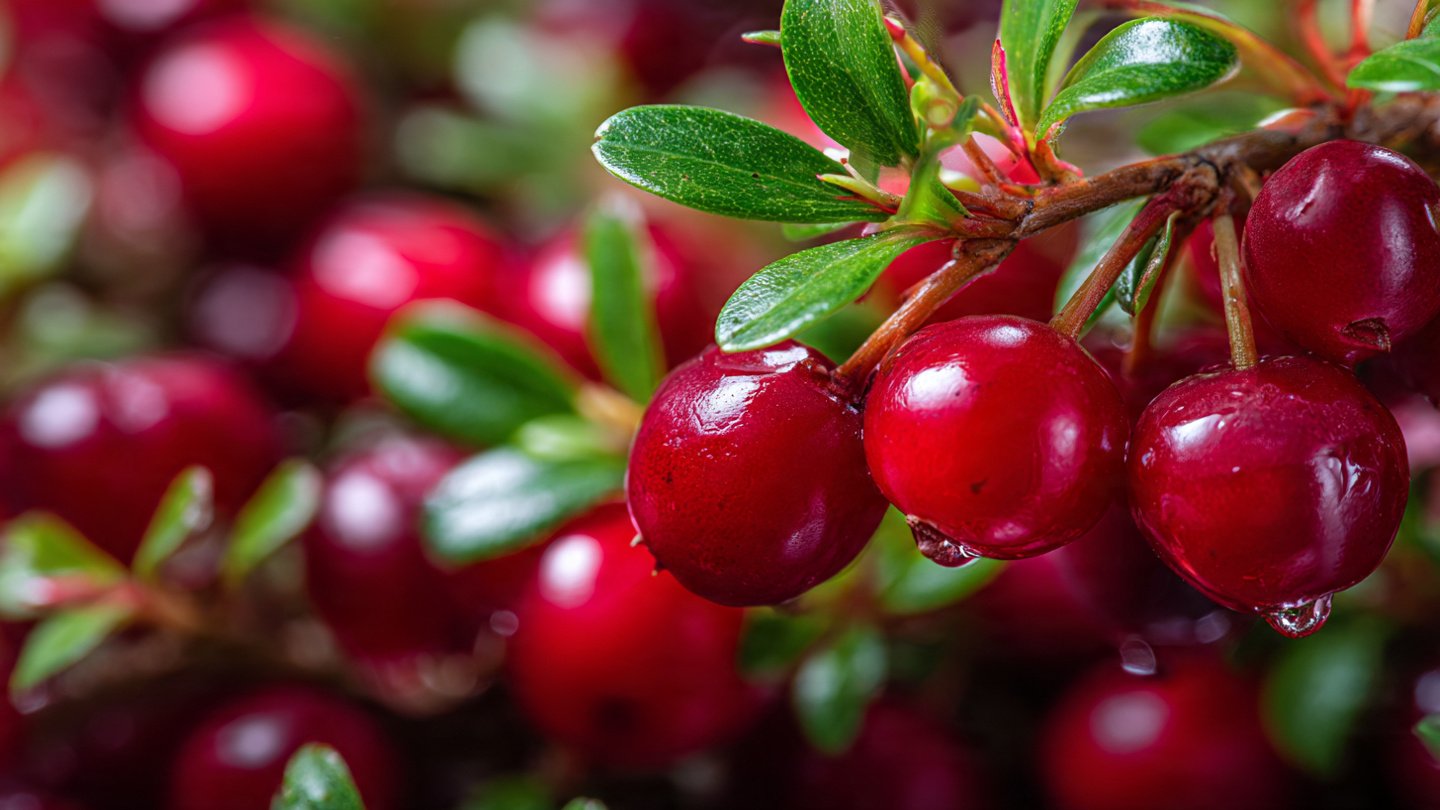
Lingonberries (Vaccinium vitis-idaea) are small, tart berries known for their vibrant red color, unique flavor, and impressive health benefits. Rich in antioxidants, vitamins, and minerals, lingonberries are a favorite in Scandinavian and Northern European cuisine, often used in jams, sauces, and baked goods. While traditionally grown in gardens or forested areas, lingonberries can thrive indoors with the right care. Indoor cultivation allows enthusiasts to enjoy a fresh supply of berries year-round, regardless of climate. This comprehensive guide will walk you through everything you need to know to successfully grow lingonberry plants indoors for bright, flavorful berries.
Why Grow Lingonberries Indoors?
Indoor cultivation offers several advantages, particularly for plants like lingonberries:
- Climate Control: Lingonberries prefer cool, acidic conditions that can be difficult to maintain outdoors in some regions. Indoors, you can regulate temperature and humidity.
- Year-Round Harvest: By controlling lighting and environmental conditions, you can enjoy berries outside the natural outdoor season.
- Pest and Disease Management: Indoor growing reduces exposure to common pests, such as aphids, birds, and fungal infections.
- Aesthetic Appeal: Lingonberry plants have evergreen foliage and attractive berries, making them a decorative addition to indoor spaces.
- Fresh, Chemical-Free Fruit: You control the soil, water, and nutrients, ensuring chemical-free, healthy berries.
Indoor lingonberry cultivation is both practical and rewarding for home gardeners and urban dwellers.
Step 1: Choose the Right Lingonberry Variety
Selecting the right variety is crucial for indoor success. Lingonberries come in two main types:
- Trailing Varieties: Such as ‘Koralle’ or ‘Red Pearl,’ these produce small, low-growing plants suitable for pots and hanging baskets.
- Upright Varieties: Such as ‘Erntedank’ or ‘Kristin,’ these grow taller, producing larger shrubs that are ideal for indoor containers with sufficient vertical space.
For indoor growth, trailing or compact upright varieties are preferable due to limited space and easier maintenance.
Step 2: Select the Perfect Container
Lingonberries have shallow but extensive roots, so the container should accommodate this:
- Size: Use a pot that is at least 12–16 inches deep and wide. For multiple plants, a larger container works well.
- Material: Terracotta or plastic pots are suitable; terracotta provides good aeration but dries faster, while plastic retains moisture longer.
- Drainage: Ensure multiple drainage holes to prevent waterlogging, which can cause root rot.
- Mobility: Lightweight containers are easier to move for optimal sunlight exposure or winter protection.
A well-chosen container ensures healthy root development and long-term growth.
Step 3: Prepare the Soil
Lingonberries thrive in acidic, well-draining soil, similar to other Vaccinium species like blueberries:
- Soil Mix: Combine peat moss, perlite, and sand to create a loose, aerated medium. Avoid heavy clay soils.
- pH Level: Maintain a pH between 4.5 and 5.5 for optimal nutrient uptake.
- Nutrients: Incorporate acid-loving plant fertilizer or compost specifically formulated for ericaceous plants.
- Sterility: Use sterilized soil to reduce risk of fungal infections.
Healthy, acidic soil encourages vigorous growth and abundant berry production.
Step 4: Planting Lingonberry
Planting lingonberry properly is essential for root establishment:
- Positioning: Place the plant so the crown sits just above the soil line.
- Spacing: For multiple plants in one container, space at least 6–8 inches apart to allow airflow.
- Watering: After planting, water thoroughly to settle the soil around the roots.
- Mulching: Add a thin layer of pine needles or shredded bark to retain moisture and maintain acidity.
Proper planting ensures the roots establish quickly, promoting healthy growth and berry formation.
Step 5: Provide Adequate Light
Lingonberries require bright light to flourish indoors:
- Sunlight: Place plants in a south-facing window where they receive at least 6–8 hours of direct sunlight daily.
- Supplemental Lighting: If natural sunlight is limited, use full-spectrum LED grow lights for 12–14 hours daily.
- Seasonal Adjustments: In winter, supplement with artificial light to maintain fruiting cycles.
Adequate light is essential for photosynthesis, berry production, and maintaining the plant’s evergreen appearance.
Step 6: Temperature and Humidity
Lingonberries are hardy but prefer cool conditions:
- Ideal Temperature: 55–70°F (13–21°C) during the day and slightly cooler at night.
- Avoid Heat Stress: Keep plants away from heaters, radiators, or hot indoor drafts.
- Humidity: Maintain moderate humidity, ideally 50–70%. Use a humidity tray or mist occasionally if the air is dry.
Controlling temperature and humidity prevents stress, leaf drop, and premature flowering.
Step 7: Watering and Moisture Management
Lingonberries need consistent moisture without waterlogging:
- Frequency: Water when the top inch of soil feels dry.
- Method: Water evenly around the base to ensure the root zone is adequately hydrated.
- Drainage: Always allow excess water to drain to avoid root rot.
- Mulching: Mulch helps maintain even moisture levels and suppresses soil drying.
Balanced watering encourages strong roots and enhances berry quality.
Step 8: Fertilization
Lingonberries are light feeders but benefit from regular fertilization:
- Type: Use fertilizers designed for acid-loving plants.
- Frequency: Apply every 4–6 weeks during the growing season.
- Avoid Overfertilization: Excess nitrogen encourages leaf growth at the expense of berries.
- Organic Options: Compost tea, fish emulsion, or diluted seaweed extract works well.
Regular feeding promotes lush growth, vibrant foliage, and abundant berry production.
Step 9: Pollination
Lingonberries are partially self-fertile but produce better yields with pollination:
- Indoor Pollination: Use a small paintbrush to transfer pollen between flowers if no natural pollinators are present.
- Group Planting: Keep at least two plants close together to improve cross-pollination and berry set.
Proper pollination ensures full berry development and higher yields.
Step 10: Pruning and Maintenance
Pruning encourages healthy growth and maintains container-friendly size:
- Prune Dead or Damaged Branches: Regularly remove old, weak, or damaged growth.
- Shape the Plant: Trim to maintain size suitable for containers and indoor space.
- After Harvest Care: Remove any leftover berries and prune lightly to prepare for the next season.
Pruning improves air circulation, reduces disease risk, and encourages new growth.
Step 11: Harvesting Lingonberries
Harvesting at the right time ensures maximum flavor:
- Timing: Berries are ripe when fully red and firm. Avoid harvesting too early, as they will be tart and underdeveloped.
- Method: Gently pluck berries by hand to avoid damaging branches.
- Storage: Fresh berries can be stored in the refrigerator for up to two weeks. For longer storage, freeze or make jams.
Regular harvesting encourages continued fruiting and prevents overripe berries from attracting pests.
Step 12: Benefits of Indoor Lingonberry Cultivation
Growing lingonberries indoors offers several advantages:
- Year-Round Fruit Supply: Enjoy fresh berries regardless of outdoor climate.
- Aesthetic Value: Evergreen foliage and bright red berries enhance indoor spaces.
- Nutritional Benefits: Fresh, chemical-free berries provide antioxidants, vitamins, and minerals.
- Pest Control: Indoor growing reduces pest infestations common in outdoor gardens.
- Sustainable Gardening: Minimal space and controlled conditions reduce water and resource use.
Indoor lingonberries combine beauty, flavor, and nutrition in a manageable home garden.
Tips for Success
- Container Size: Use larger pots for mature plants to encourage root expansion.
- Soil Monitoring: Maintain acidity and avoid soil compaction for optimal root health.
- Succession Planting: Grow multiple plants to stagger flowering and harvest.
- Winter Care: Reduce water slightly in dormant periods while maintaining cool temperatures.
- Regular Inspection: Check for pests like aphids or spider mites and address issues promptly.
By following these tips, you can enjoy healthy, productive plants that thrive indoors for years.
Conclusion
Indoor lingonberry cultivation is both practical and rewarding, offering fresh, flavorful berries without the need for outdoor garden space. With proper care—including selecting the right variety, providing acidic, well-draining soil, managing light, temperature, and moisture, and performing regular maintenance—you can successfully grow vibrant, productive lingonberry plants indoors. From small apartments to sunlit balconies, these evergreen shrubs not only provide nutritious berries but also add beauty and color to your living space.
By following this comprehensive guide, even beginners can cultivate lingonberries at home and enjoy the unique taste and health benefits of freshly harvested berries all year round. With patience, attention, and a little care, your indoor lingonberry plants can thrive, turning any space into a productive and visually stunning indoor garden.