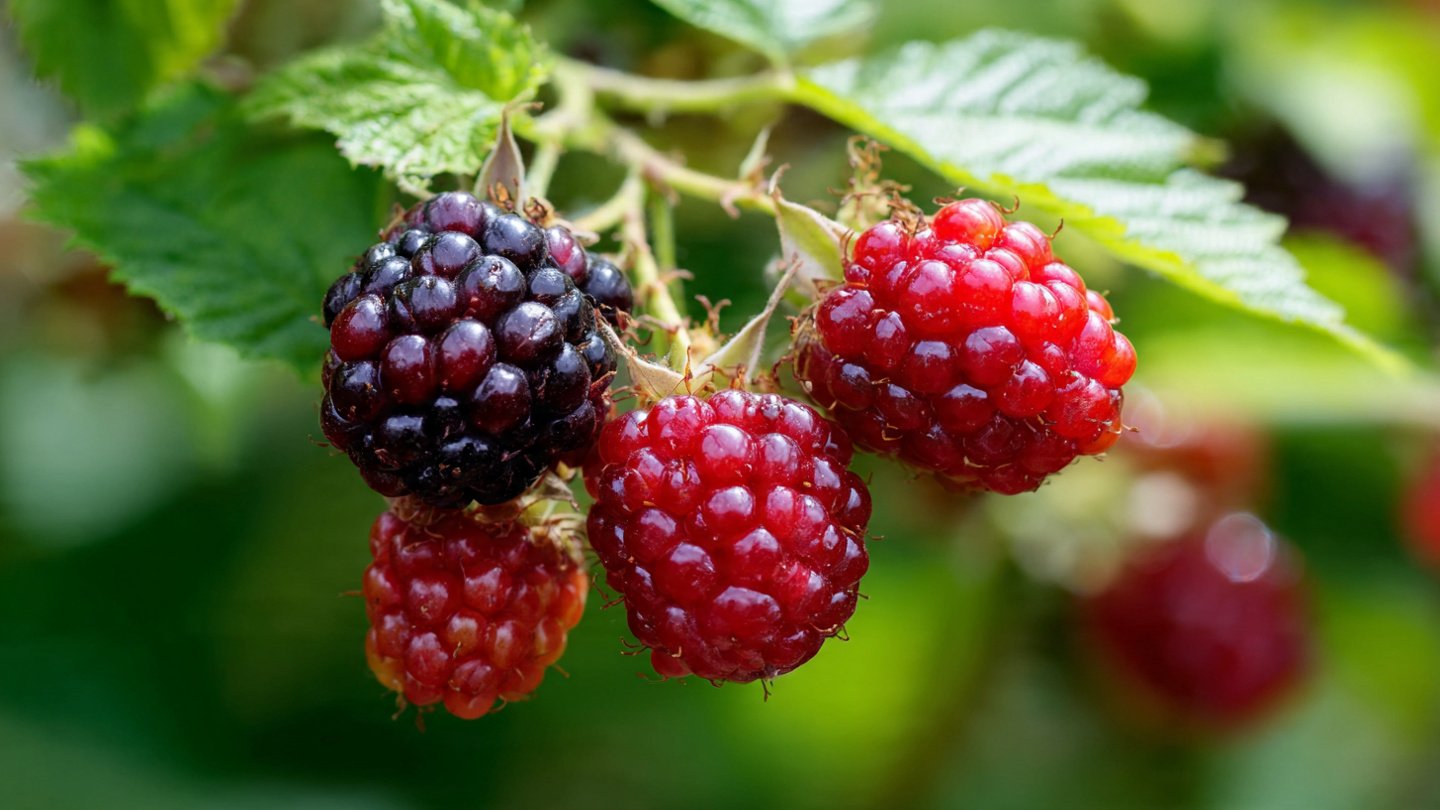
Boysenberries are a delightful hybrid berry, blending the flavors of raspberries, blackberries, and loganberries into a sweet-tart, juicy fruit that is perfect for fresh eating, baking, and preserves. While commonly found in markets, growing your own boysenberries at home can be incredibly rewarding. Not only do you get the freshest berries possible, but you also gain the satisfaction of nurturing a plant from vine to harvest. With the right knowledge and care, anyone can cultivate healthy boysenberry plants and enjoy bountiful yields. This comprehensive guide walks you through everything from selecting plants to harvesting and beyond.
1. Understanding the Boysenberry
Before planting, it’s helpful to understand what a boysenberry is. Boysenberries are vigorous, trailing bramble plants that thrive in temperate climates. They are perennial, meaning they return year after year, and they produce fruit on second-year canes. This characteristic is crucial to know because pruning and maintenance schedules are designed around the plant’s two-year fruiting cycle.
Boysenberries are particularly popular for their large, juicy berries with deep purple-red coloring. Their flavor is a harmonious mix of sweetness and tartness, making them ideal for fresh consumption, jams, pies, smoothies, and more.
2. Choosing the Right Variety
There are several varieties of boysenberries, each with slightly different characteristics. Popular choices include:
- Thornless Boysenberries: Easier to manage and harvest since they don’t have prickly thorns.
- Loganberry-Type Boysenberries: Produce slightly smaller, sweeter berries.
- Large-Fruiting Hybrid Varieties: Yield bigger berries suitable for desserts and preserves.
Choosing a variety depends on your climate, garden space, and personal preferences. Thornless varieties are particularly ideal for beginners, as they are low-maintenance and safer to handle.
3. Selecting the Planting Site
Boysenberries thrive in well-draining soil and full sun. Here are some key considerations for your planting site:
- Sunlight: At least 6–8 hours of direct sunlight daily is ideal for maximum fruit production.
- Soil: Loamy, slightly acidic soil with a pH of 5.5–6.5 is preferred. Avoid heavy clay or waterlogged soils.
- Air Circulation: Ensure adequate airflow to reduce the risk of fungal diseases. Avoid low-lying areas prone to frost.
- Space: Boysenberry vines spread horizontally, so provide at least 4–6 feet between plants. Trellising is highly recommended to keep canes off the ground and improve airflow.
4. Planting Your Boysenberries
Boysenberries can be planted as bare-root or container-grown plants. Early spring is the best time to plant bare-root canes, while container-grown plants can be planted anytime during the growing season if the soil is workable.
Step-by-Step Planting:
- Prepare the Soil: Dig a hole twice the width of the root ball and mix in compost to enrich the soil.
- Position the Plant: Place the plant so that the crown (where roots meet stems) is just above soil level.
- Backfill and Water: Fill the hole with soil, gently firming around the roots. Water thoroughly to settle the soil.
- Mulch: Apply a 2–3 inch layer of organic mulch around the base to conserve moisture and suppress weeds.
5. Supporting Your Vines
Boysenberries are trailing plants, so trellising is essential for healthy growth and ease of harvest. A simple trellis system consists of posts and horizontal wires spaced about 18–24 inches apart. As the canes grow, tie them gently to the wires to prevent tangling and reduce breakage. Trellising also improves sunlight exposure, airflow, and overall fruit quality.
6. Watering and Fertilization
Watering:
- Boysenberries need consistent moisture, especially during flowering and fruiting.
- Avoid overhead watering to reduce disease risk; drip irrigation or a soaker hose is ideal.
- Aim for 1–2 inches of water per week, adjusting based on rainfall and soil type.
Fertilization:
- Apply a balanced fertilizer (e.g., 10-10-10) in early spring as new growth begins.
- Side-dress with compost or aged manure to promote healthy root development.
- Avoid excessive nitrogen, which can lead to vigorous leafy growth but poor fruiting.
7. Pruning and Maintenance
Pruning is essential to ensure high yields and disease-free plants. Boysenberries fruit on second-year canes, so understanding cane age is crucial.
- First-Year Canes: Grow vigorously but produce no fruit. Train these canes along the trellis.
- Second-Year Canes: Will produce fruit. After harvesting, cut these canes back to ground level to make way for new growth.
- Summer Pruning: Remove weak or overcrowded canes to improve air circulation.
- Thinning: Trim excess lateral shoots to prevent overcrowding and encourage better fruit size.
Regular pruning helps manage plant size, reduces disease risk, and ensures continuous production year after year.
8. Pest and Disease Management
Boysenberries are susceptible to common garden pests and diseases, so vigilance is important.
- Pests: Look out for aphids, spider mites, and caterpillars. Natural predators, neem oil sprays, and insecticidal soaps can help control infestations.
- Diseases: Fungal diseases such as powdery mildew, cane blight, and root rot can occur. Proper spacing, trellising, and drip irrigation minimize these risks. Remove diseased canes promptly and dispose of them.
- Preventive Care: Mulching, regular pruning, and keeping the area free of debris reduce pest and disease pressure.
9. Harvesting Your Boysenberries
Timing is crucial when harvesting boysenberries. Unlike some fruits, they do not continue to ripen once picked, so harvest only fully ripe berries.
- Ripeness Indicators: Berries should be deep purple-red, plump, and slightly soft to the touch.
- Harvesting Tips: Handle berries gently to avoid bruising. Use shallow containers and harvest in the morning when berries are cool and firm.
- Frequency: Check plants every few days during peak season, as berries can ripen quickly.
Freshly harvested boysenberries can be eaten immediately, frozen for later use, or turned into jams, pies, and preserves.
10. Extending the Growing Season
Boysenberries can benefit from season-extending techniques:
- Mulching: Insulates roots during cold weather and retains moisture during heat.
- Row Covers: Protect young plants or developing berries from frost and pests.
- Greenhouse or High Tunnel: Extends growing season in cooler climates by providing a warmer microenvironment.
These strategies ensure a longer harvest period and higher overall yield.
11. Propagating Your Boysenberries
To expand your berry garden, boysenberries can be propagated through:
- Tip Layering: Bend first-year canes to the ground and cover the tip with soil. Roots will form at the tip over several months, creating a new plant.
- Root Cuttings: Take sections of healthy roots during dormancy and plant them in well-prepared soil.
- Division: Mature plants can be divided in early spring, ensuring each section has healthy roots and canes.
Propagation allows gardeners to grow multiple plants without purchasing new stock, saving money and increasing yield.
12. Common Challenges and Solutions
Even with careful attention, boysenberries can face challenges:
- Poor Fruit Set: Often caused by insufficient sunlight, lack of pollinators, or excessive nitrogen. Ensure plants get enough sun, attract bees, and balance fertilizer.
- Overcrowded Canes: Leads to disease and small fruit. Regular pruning and trellising prevent overcrowding.
- Wildlife: Birds love berries. Netting or protective covers can keep your harvest safe.
Being proactive and monitoring plant health regularly is key to overcoming these challenges.
13. Benefits of Growing Boysenberries at Home
Growing boysenberries offers numerous benefits:
- Fresh, Nutrient-Rich Fruit: Homegrown berries are rich in antioxidants, vitamins, and fiber.
- Cost-Effective: Saves money compared to purchasing organic berries at the store.
- Sustainable Gardening: Reduces dependence on commercially grown produce.
- Therapeutic Gardening: Caring for vines provides mental and emotional satisfaction.
- Family-Friendly: Involves children in planting, harvesting, and learning about healthy food.
14. Conclusion
Cultivating boysenberries at home is a rewarding and practical endeavor. While these plants require attention to soil, sun, water, and care routines, the benefits far outweigh the effort. By understanding their growth cycle, implementing proper pruning and trellising, managing pests, and harvesting at the right time, gardeners can enjoy abundant crops for years.
The joy of picking fresh, sun-warmed boysenberries directly from your garden is unmatched. Beyond taste, growing boysenberries promotes healthier eating, encourages sustainable habits, and provides a sense of accomplishment that few other plants can offer. Whether you are a beginner gardener or an experienced grower, following these steps will help you cultivate thriving boysenberry plants and create a fruitful, beautiful garden.