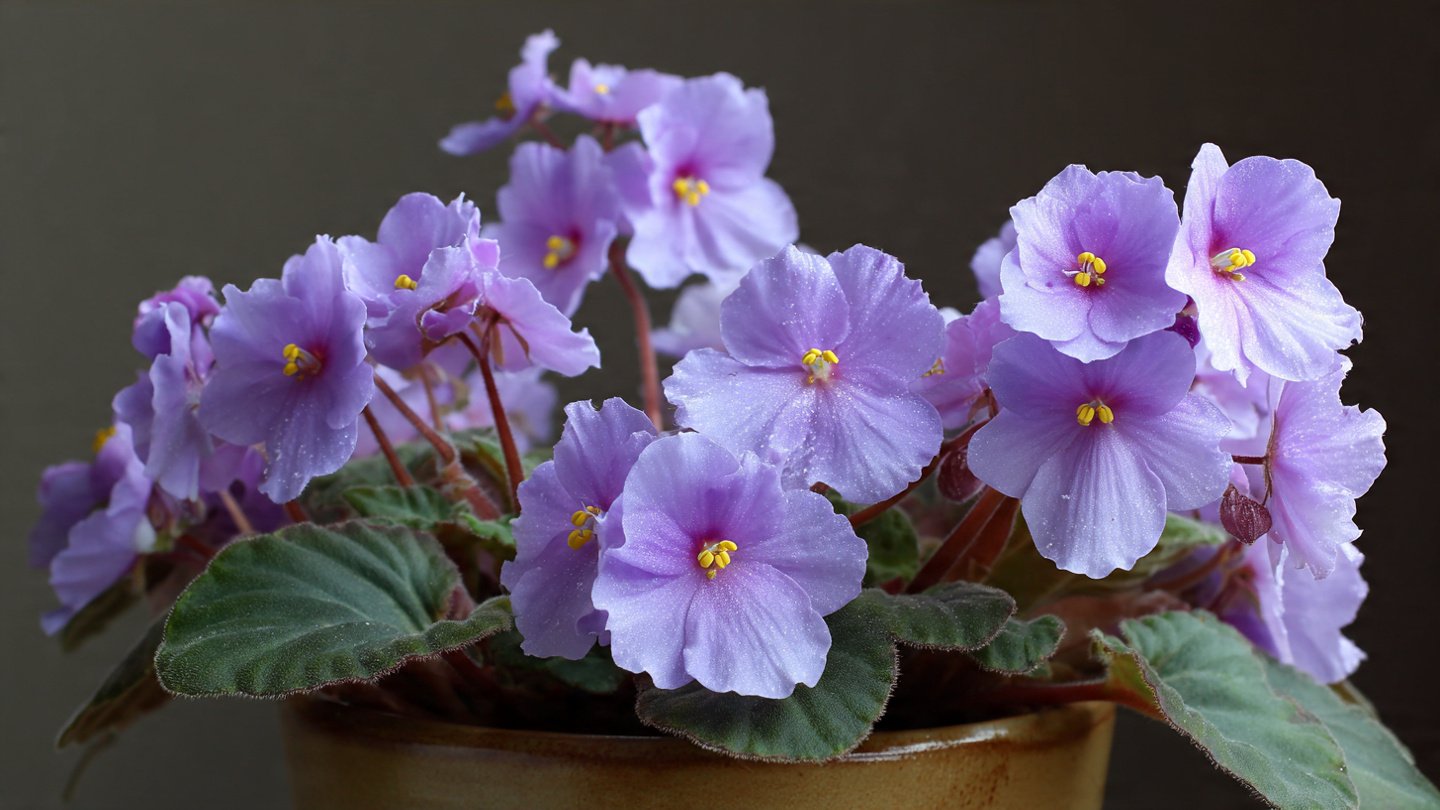
African violets (Saintpaulia) have long been cherished by plant enthusiasts for their vibrant blooms, lush foliage, and relatively compact size. Among the various types, trailing African violets stand out due to their cascading growth habit, making them perfect for hanging baskets, shelves, and decorative displays. Cultivating these beauties can be deeply rewarding, whether you are a beginner just starting or an experienced grower looking to expand your collection. This comprehensive guide will take you step by step through selecting, planting, and maintaining trailing African violets for a thriving indoor garden.
Understanding Trailing African Violets
Unlike the traditional upright African violets, trailing varieties produce stems that grow outward and downward, forming a natural cascade. Popular trailing cultivars include Optimara EverGrace, Rob’s Johnny’s Gem, and LE Red Cascade. These plants are especially admired for their ability to drape elegantly over the edges of containers, creating a stunning visual display.
Trailing African violets require slightly different care than upright types. Their stems can be more delicate and prone to damage, and they may need more space to grow freely. Understanding their growth habits is crucial to providing an environment where they can flourish.
Selecting the Right Trailing Variety
When choosing a trailing African violet, consider the following:
- Purpose: Decide whether you want a decorative plant for hanging baskets, a table centerpiece, or a combination of both. Some trailing varieties produce long, dramatic stems ideal for hanging baskets, while others stay more compact and are suitable for shelves.
- Bloom Color and Size: African violets come in a variety of colors, including purple, pink, blue, white, and even bicolor blooms. Select a variety that complements your décor or existing plant collection.
- Growth Habit: Some trailing types produce long stems with multiple rosettes along the cascade, while others develop more dense clusters. Understanding the growth habit will help you choose the right container and care routine.
- Availability: Many specialized trailing varieties may not be available at local nurseries but can often be found online or through plant societies. Joining an African Violet Society can be helpful for sourcing rare cultivars.
Choosing the Right Pot and Soil
Containers: Trailing African violets thrive in pots that provide proper drainage. Hanging baskets, sloping pots, and shallow containers work best to support the cascading stems. Clear plastic pots are also useful as they allow you to monitor root health and moisture levels.
Soil Mix: African violets need light, well-draining soil. A specialized African violet potting mix is recommended, as it is designed to retain moisture without waterlogging the roots. For a DIY mix, combine:
- 1 part peat moss (retains moisture)
- 1 part perlite or vermiculite (ensures aeration)
- 1 part coarse sand or fine orchid bark (improves drainage)
Avoid heavy garden soils as they can compact and suffocate the roots, leading to rot.
Planting Trailing African Violets
Planting trailing African violets requires attention to detail to ensure a healthy start:
- Gently Remove from Nursery Pot: Carefully take the plant out of its pot, loosening the roots if they are tightly bound.
- Trim Damaged Leaves and Roots: Remove any yellowed or damaged leaves and prune broken roots. This encourages new, healthy growth.
- Position in the New Pot: Place the plant slightly above the rim of the soil. Trailing stems should hang over the edges without being buried.
- Water Lightly: After planting, water sparingly to settle the soil. Avoid soaking the leaves directly to prevent rot.
- Maintain Proper Spacing: Trailing African violets need room for their stems to spread. Ensure the plant has enough space to grow freely without getting entangled.
Watering Tips for Trailing Varieties
Watering is one of the most critical aspects of African violet care:
- Consistency Over Quantity: African violets prefer slightly moist soil rather than being soaked. Overwatering is the most common cause of root rot.
- Avoid Leaf Wetting: Trailing varieties are especially sensitive to water on leaves, which can cause spotting or rot. Use a watering can with a narrow spout or water from the bottom by placing the pot in a shallow tray of water.
- Check Soil Moisture: Insert a finger about an inch into the soil. If it feels dry, it’s time to water.
Light Requirements
Trailing African violets thrive in bright, indirect light. Placing them near an east-facing window is ideal. Direct sunlight can scorch the leaves, while too little light can result in poor flowering and elongated stems.
For indoor growers with limited natural light, fluorescent or LED grow lights can supplement lighting. Aim for 12–14 hours of light daily for optimal bloom production.
Fertilization and Nutrients
To keep trailing African violets blooming and healthy:
- Use a Balanced Fertilizer: A water-soluble fertilizer with a ratio such as 14-12-14 is ideal.
- Frequency: Feed every 2–4 weeks during the growing season. Reduce fertilization in winter when growth slows.
- Micronutrients: Ensure the fertilizer includes trace elements like magnesium and iron, which are essential for vibrant leaf and flower color.
Pruning and Grooming
Pruning is important for trailing African violets to maintain their shape and encourage fuller growth:
- Remove Spent Flowers: Deadhead flowers promptly to direct energy to new blooms.
- Trim Long, Leggy Stems: Prune excessively long or thin stems to maintain a neat, cascading appearance.
- Leaf Grooming: Wipe leaves gently with a soft, damp cloth to remove dust, allowing the plant to photosynthesize efficiently.
Propagation Techniques
Trailing African violets are easy to propagate, making it simple to expand your collection:
- Leaf Cuttings: Select a healthy leaf with a short stem. Place the stem in moist soil or water until roots develop. Trailing varieties often produce multiple plantlets along their cascading stems, which can also be separated and potted.
- Division of Crowns: For mature plants with multiple rosettes, gently divide the plant into smaller sections and pot separately.
- Suckers from Stems: Trailing stems sometimes develop small offshoots. These can be gently cut and rooted to create new plants.
Propagation is ideal in spring or early summer when the plant is actively growing.
Controlling Pests and Diseases
While generally resilient, trailing African violets can be affected by pests and diseases:
- Common Pests: Aphids, mealybugs, and spider mites. Treat infestations promptly with insecticidal soap or neem oil.
- Fungal Issues: Powdery mildew or root rot can occur if the plant is overwatered or in a poorly ventilated space. Ensure good airflow and proper watering practices.
- Preventive Care: Avoid overcrowding plants and maintain a clean growing area to minimize disease risk.
Seasonal Care Adjustments
Trailing African violets may require different care in varying seasons:
- Winter: Reduce watering slightly, maintain bright light, and lower fertilization.
- Spring/Summer: Increase watering and fertilization, rotate the plant to ensure even light exposure, and encourage blooming.
- Humidity: African violets prefer 50–60% humidity. Indoor growers can use a humidity tray or room humidifier to create a suitable microclimate.
Creative Display Ideas
Trailing African violets lend themselves to stunning presentations:
- Hanging Baskets: Allow long stems to drape freely for a cascading floral display.
- Tiered Planters: Position trailing varieties on upper tiers to spill over to lower levels.
- Wall-Mounted Containers: Create living walls or vertical gardens with trailing African violets for a dramatic effect.
- Centerpieces: Place a small trailing variety in a decorative pot on a dining or coffee table, allowing the stems to elegantly trail down.
Troubleshooting Common Issues
Even experienced growers encounter challenges. Here’s how to tackle common problems:
- Yellow Leaves: May indicate overwatering or nutrient deficiency. Adjust watering and feed with a balanced fertilizer.
- Leggy Growth: Caused by insufficient light. Move the plant to a brighter spot or supplement with grow lights.
- Poor Flowering: Could be due to over-fertilization or wrong temperature. Reduce fertilizer frequency and maintain 65–75°F for optimal blooms.
- Leaf Spots or Rot: Avoid wetting leaves and remove damaged foliage promptly.
Conclusion
Trailing African violets are enchanting additions to any indoor garden. Their cascading stems and vibrant blooms can transform ordinary spaces into lush, colorful displays. Whether you are a beginner or an expert, following these guidelines will help you cultivate healthy, flowering plants that thrive year-round.
By carefully selecting the right variety, providing proper light, water, and nutrients, and practicing consistent pruning and propagation, you can enjoy the elegance and charm of trailing African violets in your home. With patience, observation, and a little care, even novice gardeners can master the art of growing these spectacular plants and create a thriving collection that captivates every visitor.