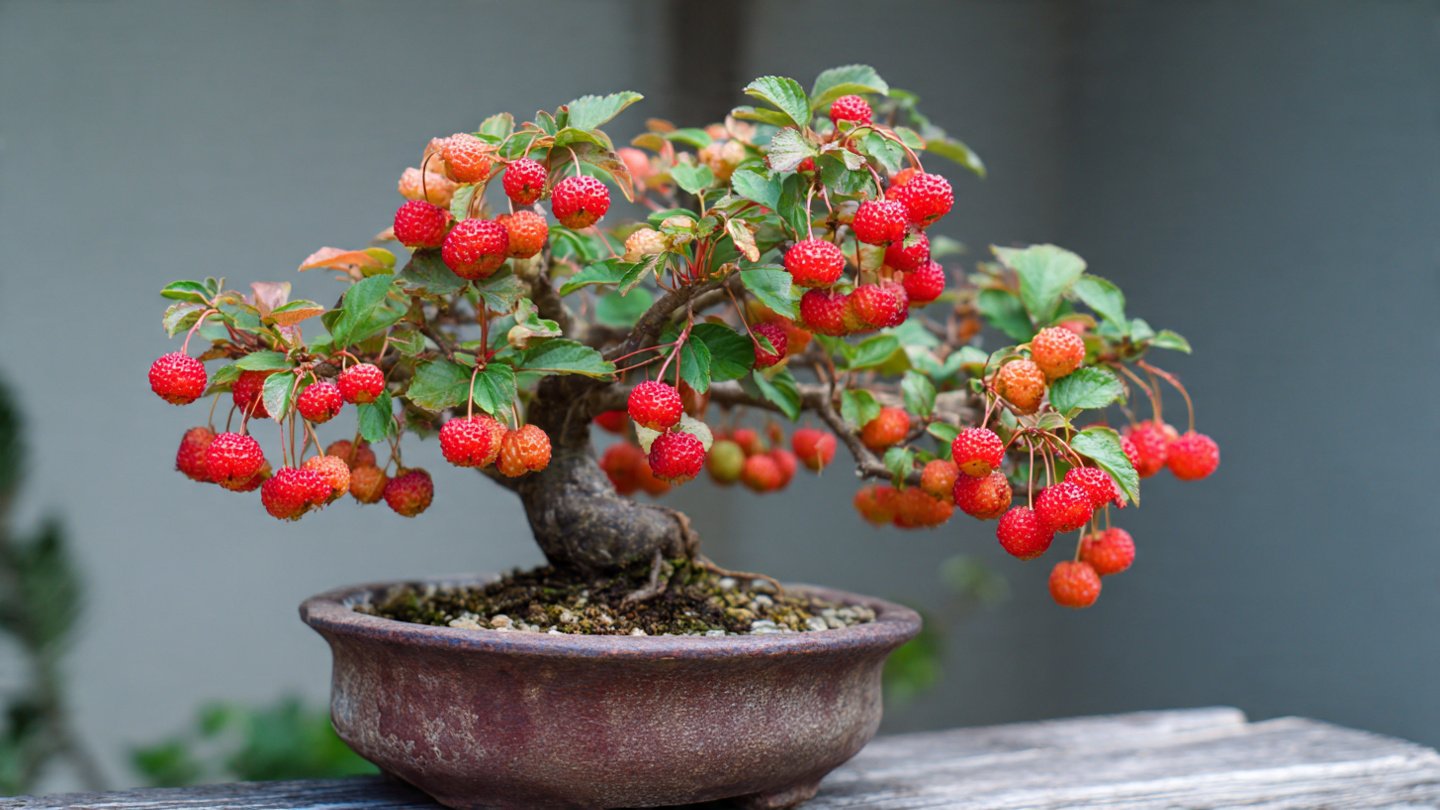
Berry bonsai combines the elegance of traditional bonsai with the charm of edible fruit, creating a living work of art that is both beautiful and productive. Unlike classic bonsai that focus solely on form, berry bonsai offers seasonal interest—flowers in spring, lush foliage in summer, colorful berries in fall, and sculptural branches in winter.
Whether you’re new to bonsai or a seasoned enthusiast looking for a fresh challenge, berry bonsai is a rewarding pursuit. With the right techniques, even fruit-bearing plants can thrive in miniature form while producing impressive harvests.
This comprehensive guide covers everything you need to know to successfully grow berry bonsai, from plant selection to long-term care.
What Is a Berry Bonsai?
A berry bonsai is a fruit-bearing shrub or small tree trained and maintained using traditional bonsai techniques. While the plant remains small, it continues to flower and produce berries, creating a striking contrast between size and abundance.
Popular berry bonsai species include blueberries, strawberries, raspberries, blackberries, and goji berries. Each species brings unique growth habits, leaf shapes, and fruiting characteristics to bonsai cultivation.
Why Grow Berry Bonsai?
Berry bonsai offers benefits beyond aesthetics. It merges horticulture, artistry, and sustainability into one practice.
- Combines ornamental beauty with edible harvests
- Provides year-round visual interest
- Suitable for small gardens, patios, and indoor setups
- Encourages mindful, hands-on gardening
- Enhances bonsai skills with practical challenges
For gardeners with limited space, berry bonsai offers a way to enjoy fruit cultivation on a miniature scale.
Best Berry Plants for Bonsai
Choosing the right species is crucial, especially for beginners.
Blueberries
Blueberries are excellent bonsai candidates due to their woody structure and attractive seasonal changes. They require acidic soil and benefit from consistent pruning.
Strawberries
Strawberries are ideal for beginners because of their shallow roots and fast growth. While not woody, they adapt well to bonsai-style containers and training.
Raspberries and Blackberries
Dwarf varieties of raspberries and blackberries work best. These plants require careful pruning but reward growers with vibrant berries and strong branching patterns.
Goji Berries
Goji berries are hardy, adaptable, and naturally shrub-like, making them well-suited for bonsai training.
Selecting compact or dwarf cultivars increases your chances of success.
Choosing the Right Container
Bonsai containers are shallow to restrict root growth and maintain plant size. For berry bonsai, choose a container that balances aesthetics with functionality.
Ensure the pot has adequate drainage holes. Berry plants dislike soggy soil, and good drainage prevents root rot.
Unglazed ceramic pots are popular for their breathability, while glazed pots add decorative appeal. The pot should complement the plant without overpowering it.
Soil Requirements for Berry Bonsai
Proper soil is essential for healthy roots and fruit production. Bonsai soil must drain well while retaining enough moisture for nutrient uptake.
A general bonsai mix works well for most berries, but adjustments may be needed:
- Blueberries prefer acidic soil with added peat or pine bark
- Strawberries thrive in lighter, organic-rich mixes
- Raspberries benefit from a balance of organic matter and grit
Avoid regular garden soil, which compacts easily and restricts root airflow.
Planting and Establishing Berry Bonsai
Start with young plants or cuttings rather than mature shrubs. Young plants adapt more easily to bonsai training.
Gently prune roots during planting to encourage a compact root system. Position the plant slightly off-center in the pot for visual interest.
Water thoroughly after planting and allow the plant to settle before beginning structural training.
Light and Temperature Needs
Most berry plants require full sun to produce flowers and fruit. Aim for at least 6 hours of direct sunlight daily.
Outdoor placement is ideal during the growing season. Indoor setups require bright windows or supplemental grow lights.
Temperature tolerance varies by species, but many berry bonsai benefit from seasonal temperature changes, including winter dormancy.
Watering Berry Bonsai Correctly
Watering is one of the most critical aspects of bonsai care. Because bonsai containers are small, soil dries out quickly.
Water when the top layer of soil feels slightly dry. Avoid letting the soil dry completely or remain constantly wet.
During fruiting, berry bonsai may require more frequent watering to support berry development.
Fertilizing for Growth and Fruit Production
Berry bonsai need regular feeding to support both foliage and fruit. Use a balanced, slow-release fertilizer during the growing season.
Switch to a fertilizer higher in phosphorus and potassium during flowering and fruiting to encourage berry formation.
Reduce or stop fertilizing during dormancy to avoid stressing the plant.
Pruning and Training Techniques
Pruning is essential to maintain shape and promote fruiting.
- Structural pruning: Establishes the main shape during dormancy
- Maintenance pruning: Controls growth during the season
- Pinching: Encourages branching and compact growth
Wiring can be used to guide branch direction, but care must be taken to avoid damaging fruiting wood.
Encouraging Flowering and Fruiting
Berry bonsai must reach a balance between vegetative growth and reproductive energy. Over-pruning can reduce flowering, while under-pruning leads to leggy growth.
Allow some new growth to mature before pruning to ensure flower bud development.
Pollination is also important. Outdoor plants rely on insects, while indoor bonsai may need gentle hand-pollination.
Managing Pests and Diseases
Berry bonsai can attract aphids, spider mites, and fungal issues. Regular inspection helps catch problems early.
Use organic pest control methods whenever possible. Good airflow, proper watering, and clean tools prevent most diseases.
Seasonal Care and Dormancy
Many berry plants require a dormant period to thrive. During winter, reduce watering and protect bonsai from extreme cold.
Indoor plants should be placed in cooler, bright locations to mimic natural seasonal changes.
Understanding seasonal cycles improves long-term success and fruit yield.
Long-Term Care and Repotting
Berry bonsai should be repotted every 1–3 years to refresh soil and prune roots. Repotting is best done in early spring before active growth begins.
Over time, careful root pruning maintains plant size while supporting healthy growth.
Final Thoughts
Growing berry bonsai is a satisfying blend of patience, creativity, and horticultural skill. It offers beauty throughout the year and the unique reward of harvesting fruit from a miniature plant.
With proper care, thoughtful pruning, and attention to seasonal needs, both beginners and experts can enjoy success with berry bonsai. This living art form proves that even the smallest gardens can produce abundance—one berry at a time. 🍓🌿