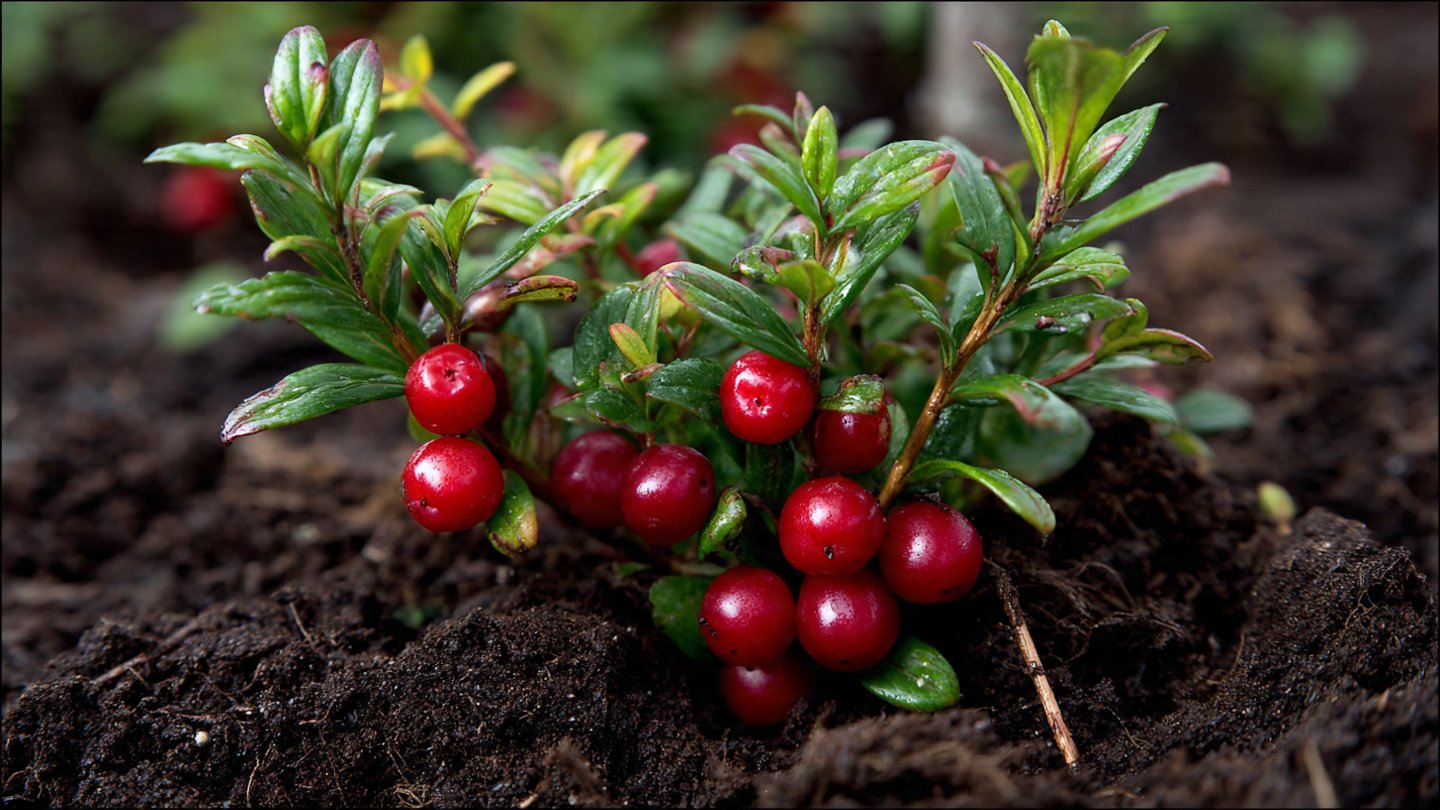
Lingonberries (Vaccinium vitis-idaea) are low-growing, evergreen shrubs prized for their tart, flavorful berries and ornamental foliage. Native to northern regions and boreal forests, lingonberries thrive in acidic, well-draining soil, making them a unique plant for gardeners who want a combination of edible fruit and attractive greenery.
Creating the perfect soil mix is crucial to the success of lingonberry cultivation, whether you are growing them in garden beds, raised containers, or pots. This comprehensive guide will take you step by step through everything you need to know to prepare a nutrient-rich, acidic, and well-structured soil mix that promotes healthy growth and abundant fruit production.
Understanding Lingonberry Soil Requirements
Lingonberries are ericaceous plants, which means they thrive in acidic soils. Unlike many garden plants, they prefer:
- Acidic Soil (pH 4.5–5.5) – Neutral or alkaline soils can stunt growth and reduce berry production.
- Well-Draining Soil – Lingonberries do not tolerate waterlogged roots, which can cause root rot.
- Nutrient-Rich Composition – Organic matter is essential for healthy growth, as lingonberries have shallow roots and rely on surface nutrients.
- Light, Airy Texture – Loose soil ensures proper aeration and encourages root expansion.
Understanding these requirements is the first step in creating a successful soil mix tailored to the needs of lingonberries.
Key Components of a Perfect Lingonberry Soil Mix
A balanced soil mix for lingonberries combines organic matter, acidity, and proper drainage. Here are the main components:
1. Peat Moss
- Provides acidic pH and excellent water retention.
- Supplies organic matter that supports root growth.
- Use sphagnum peat moss as a primary base for your soil mix.
2. Pine Bark or Conifer Mulch
- Adds structure and promotes drainage.
- Helps maintain acidity while providing slow-release nutrients.
- Coarse, shredded bark works best for creating an airy texture.
3. Sand or Perlite
- Improves drainage and aeration, preventing waterlogging.
- Coarse sand or horticultural perlite prevents compaction and keeps roots healthy.
4. Compost or Well-Rotted Organic Matter
- Adds nutrients and beneficial microorganisms.
- Improves moisture retention while providing a natural source of minerals.
- Avoid rich, alkaline compostes that raise soil pH.
5. Optional Amendments
- Elemental sulfur: Lowers soil pH if needed.
- Pine needles or oak leaves: Help maintain acidity naturally.
- Acidic fertilizers: Slow-release fertilizers formulated for blueberries or rhododendrons can supplement nutrients.
A combination of these components creates a well-balanced, nutrient-rich, and acidic soil perfect for lingonberries.
Step-by-Step Guide to Preparing Lingonberry Soil Mix
Creating a perfect soil mix requires careful measurement and mixing. Follow these steps:
Step 1: Gather Materials
- Sphagnum peat moss – 50% of total soil volume.
- Pine bark or shredded conifer mulch – 20–30%.
- Coarse sand or perlite – 10–15%.
- Organic compost – 10–15%.
- Optional: pine needles, elemental sulfur, or acidic fertilizer.
Step 2: Test Soil pH
- Use a soil pH meter or test kit to determine the acidity of your base materials.
- Aim for pH 4.5–5.5.
- If pH is too high, add elemental sulfur or additional peat moss.
Step 3: Mix Components
- Combine peat moss, pine bark, sand/perlite, and compost in a large container or wheelbarrow.
- Mix thoroughly to achieve uniform texture and even distribution of nutrients.
Step 4: Adjust Moisture
- Moisten the soil mix slightly; it should feel damp but not soggy.
- This helps the soil settle around roots and improves transplant success.
Step 5: Fill Containers or Garden Beds
- For container planting, fill pots with the prepared mix, leaving 1–2 inches from the top.
- For garden beds, loosen existing soil and incorporate the prepared mix to a depth of 6–8 inches.
Proper mixing ensures that every root receives optimal nutrition, aeration, and moisture balance, setting the stage for healthy lingonberry growth.
Choosing the Right Containers or Garden Beds
Lingonberries can be grown in raised beds, garden soil, or pots. The soil mix works in all setups, but container planting provides additional control over soil conditions:
1. Raised Beds
- Provide excellent drainage and easy access for maintenance.
- Ideal for cooler climates and acidic soil needs.
- Incorporate your soil mix and ensure bed height is at least 8–12 inches.
2. Containers
- Use deep pots (12–18 inches) to accommodate shallow but spreading roots.
- Ensure drainage holes to prevent waterlogging.
- Container growing allows easier pH adjustment and control over soil quality.
3. In-Ground Garden Beds
- Amend existing soil with your custom soil mix to improve acidity and drainage.
- Mulch with pine needles to maintain pH and conserve moisture.
Choosing the right growing environment complements your carefully prepared soil mix and maximizes plant health.
Maintaining Soil Health for Lingonberries
Once your soil mix is ready, maintaining its quality ensures long-term growth and productivity:
1. Mulching
- Apply 2–3 inches of acidic mulch (pine needles, shredded bark) around plants.
- Reduces evaporation, maintains moisture, and preserves soil acidity.
2. Fertilization
- Use acidic fertilizers formulated for blueberries or rhododendrons.
- Feed every 6–8 weeks during the growing season.
- Avoid high-nitrogen fertilizers, which encourage leafy growth at the expense of berries.
3. Monitoring pH
- Test soil pH every 6–12 months.
- Add elemental sulfur or acidic mulch to maintain pH in the optimal range (4.5–5.5).
4. Watering
- Lingonberries prefer consistent moisture but dislike waterlogging.
- Water deeply and regularly, especially during fruiting.
Maintaining soil health ensures that lingonberries remain vigorous, fruit-bearing, and disease-resistant.
Troubleshooting Soil-Related Problems
Even with a well-prepared soil mix, problems may arise. Here’s how to troubleshoot:
1. Poor Growth or Yellow Leaves
- Likely due to high pH or nutrient deficiency.
- Test pH and amend soil with peat moss or acidic fertilizer.
2. Root Rot
- Caused by waterlogged soil or poor drainage.
- Improve drainage by adding more sand or perlite and avoid overwatering.
3. Low Fruit Yield
- Could be caused by insufficient organic matter or improper pH.
- Fertilize with acidic, low-nitrogen fertilizer and maintain pH 4.5–5.5.
Proactive monitoring and soil adjustments prevent long-term growth issues and improve berry production.
Benefits of a Perfect Soil Mix for Lingonberries
A well-prepared soil mix provides several advantages:
- Healthy Roots – Well-draining soil prevents root diseases.
- Better Berry Production – Nutrient-rich soil promotes flowering and fruiting.
- Acidic pH Maintenance – Ensures plant health and nutrient uptake.
- Disease Resistance – Proper soil structure and drainage reduce fungal infections.
- Longevity – Lingonberries are perennial plants, and optimal soil supports long-term growth.
With the right soil mix, your lingonberries will thrive for years, producing abundant fruit and attractive foliage.
Conclusion
Creating the perfect soil mix for growing lingonberries is the foundation of successful cultivation. By combining peat moss, pine bark, sand or perlite, and compost, and adjusting acidity as needed, gardeners can provide an ideal environment for these hardy yet specific shrubs.
Key Takeaways:
- Lingonberries thrive in acidic, well-draining, nutrient-rich soil.
- Use peat moss, organic matter, and sand/perlite to create the perfect mix.
- Maintain soil pH between 4.5 and 5.5 for optimal nutrient uptake.
- Mulch and fertilize with acidic fertilizers to support fruiting.
- Monitor moisture and drainage to prevent root rot and ensure healthy growth.
By following these steps, beginners and experienced gardeners alike can enjoy vibrant, productive lingonberry plants that reward patience and proper care with lush foliage and tart, flavorful berries. A well-prepared soil mix not only supports growth but also ensures that your lingonberry plants remain healthy, fruit-bearing, and resilient for years to come.