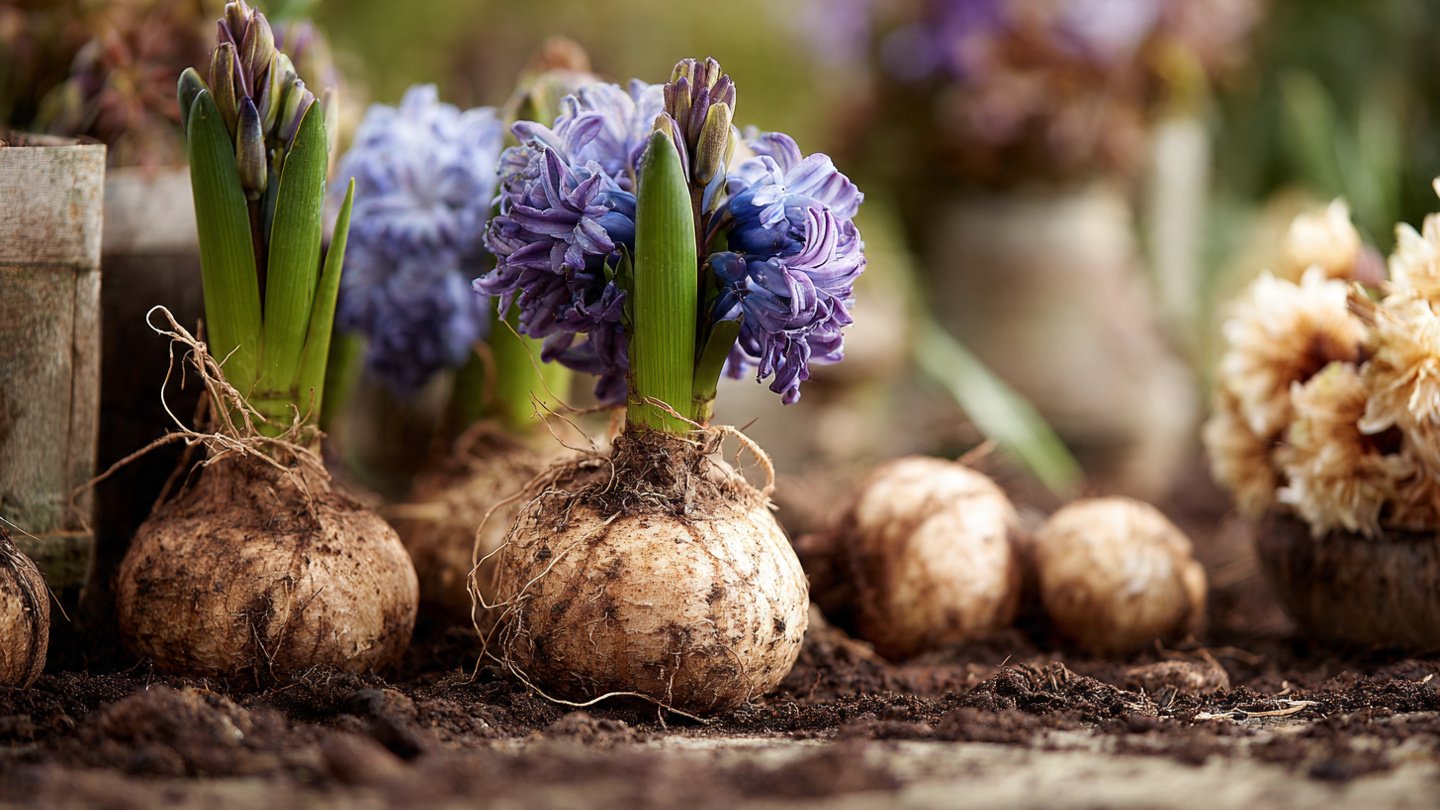
Hyacinths are among the most beloved spring-blooming bulbs, renowned for their vibrant colors and intoxicating fragrance. From deep purples to soft pinks and crisp whites, these flowers bring charm, elegance, and a delightful scent to any garden. Yet, despite their popularity, many gardeners struggle to achieve a consistently blooming hyacinth garden. The truth is, hyacinths are not difficult to grow, but they are sensitive to certain planting and care mistakes that can prevent them from thriving. By understanding the common pitfalls and learning how to avoid them, you can enjoy a flourishing display of hyacinths year after year.
In this guide, we’ll cover the most frequent hyacinth planting mistakes, why they happen, and expert tips for a successful blooming garden.
Mistake 1: Planting Hyacinths Too Shallow or Too Deep
One of the most common mistakes gardeners make is incorrect planting depth. Hyacinths have bulbs that require specific soil coverage to establish roots properly.
- Too Shallow: Planting bulbs too close to the soil surface exposes them to temperature fluctuations and drying out, which can stunt growth or prevent flowering.
- Too Deep: Planting bulbs excessively deep can delay or even prevent blooms because the shoots have to travel farther to reach the surface.
How to Avoid It:
Experts recommend planting hyacinth bulbs about 6 inches deep, measured from the base of the bulb to the soil surface. This depth protects the bulbs during winter and allows roots to develop fully, ensuring strong, vibrant flowers.
Mistake 2: Ignoring Soil Drainage
Hyacinths thrive in well-drained soil. One of the biggest threats to bulb health is waterlogged soil, which can lead to bulb rot or fungal diseases. Heavy clay soils or areas with poor drainage are particularly risky.
How to Avoid It:
- Amend the Soil: Mix sand, compost, or perlite into clay soils to improve drainage.
- Choose Raised Beds or Mounds: Planting hyacinths on slightly elevated beds encourages water to drain away from the bulbs.
- Avoid Overwatering: After planting, water bulbs sparingly. They only need moisture to encourage root growth, not constant wetness.
Mistake 3: Planting in the Wrong Location
Location is critical for hyacinth success. These bulbs prefer sunny or partially sunny spots. Planting them in dense shade can result in weak, leggy growth and fewer blooms.
How to Avoid It:
- Select a Sunny Spot: Hyacinths perform best with at least 4–6 hours of direct sunlight daily.
- Avoid Crowding: Give bulbs space—around 3–4 inches apart—so each has enough room to grow.
- Protect from Strong Winds: While hyacinths can tolerate some wind, planting them in a sheltered area prevents stems from bending or breaking.
Mistake 4: Using Low-Quality Bulbs
Many planting failures begin before the bulbs even hit the soil. Low-quality or diseased bulbs are a common reason hyacinths fail to bloom. Bulbs that are soft, shriveled, or moldy are unlikely to survive planting.
How to Avoid It:
- Choose Firm, Healthy Bulbs: The best bulbs are firm, plump, and free from blemishes or soft spots.
- Buy from Reputable Sources: Purchase bulbs from trusted nurseries or garden centers to ensure disease-free stock.
- Inspect Bulbs Before Planting: Check for signs of rot or damage and discard any compromised bulbs.
Mistake 5: Planting Too Late
Timing matters when planting hyacinth bulbs. Planting too late in the season can prevent bulbs from establishing roots before winter, leading to weak or nonexistent blooms.
How to Avoid It:
- Plant in Fall: Most regions benefit from planting hyacinths in September through November, before the first hard frost. This allows bulbs to develop roots in cool soil and store energy for spring flowering.
- Pre-Chill Bulbs if Planting Late: In warmer climates where soil doesn’t naturally cool, refrigerate bulbs for 8–12 weeks before planting to simulate winter conditions.
Mistake 6: Neglecting Post-Bloom Care
Many gardeners enjoy hyacinth blooms and then remove or trim the plants immediately. This can prevent bulbs from storing energy for the following year.
How to Avoid It:
- Leave Foliage Intact: After blooming, allow leaves to yellow and die back naturally. The foliage photosynthesizes and sends nutrients back into the bulb.
- Avoid Cutting Leaves Too Early: Trimming leaves prematurely weakens the bulb, resulting in smaller or fewer flowers the next season.
- Mulch Lightly: Adding a thin layer of mulch over spent plants protects bulbs from temperature extremes while allowing foliage to decompose naturally.
Mistake 7: Overcrowding Bulbs
Hyacinths, while compact, need adequate space for airflow and root development. Overcrowding bulbs can lead to poor flowering, disease, and competition for nutrients.
How to Avoid It:
- Space Correctly: Leave 3–4 inches between each bulb.
- Plan for Future Growth: Remember that bulbs multiply over time, so consider thinning crowded clusters every few years.
- Combine with Other Bulbs: Plant hyacinths with other spring bulbs like tulips or daffodils to stagger blooms while maintaining space and visual interest.
Mistake 8: Planting in Soil That’s Too Fertile
Contrary to many garden plants, hyacinths don’t need nutrient-rich soil to thrive. Overly fertile soil encourages lush foliage but often at the expense of flowers.
How to Avoid It:
- Use Moderate Fertility Soil: Loamy or sandy soil with moderate nutrients is ideal.
- Fertilize Sparingly: Apply a balanced, low-nitrogen bulb fertilizer at planting and again after flowering if necessary.
- Avoid High-Nitrogen Fertilizers: Excess nitrogen encourages leafy growth, reducing bloom production.
Mistake 9: Ignoring Pest and Disease Risks
Hyacinths are generally resilient but can fall victim to pests like aphids, bulb mites, and rodents, as well as fungal diseases such as gray mold. Ignoring these risks can sabotage your garden.
How to Avoid It:
- Inspect Bulbs Before Planting: Remove any showing signs of rot or pest damage.
- Use Barriers: Wire mesh or bulb cages can deter rodents.
- Apply Fungicides Only When Needed: Overuse of chemicals can harm beneficial insects and soil health.
- Encourage Natural Predators: Birds and beneficial insects help keep pest populations in check.
Mistake 10: Forgetting About Bulb Rotation
Planting hyacinths in the same spot year after year can deplete soil nutrients and increase disease risk, leading to fewer blooms over time.
How to Avoid It:
- Practice Crop Rotation: Move bulbs to a new location every 3–4 years.
- Interplant with Other Flowers: Rotate hyacinths with other bulbs like tulips, daffodils, or alliums to maintain soil health.
- Add Organic Matter: Incorporating compost or leaf mold between rotations replenishes nutrients and supports healthy soil structure.
Expert Tips for a Thriving Hyacinth Garden
- Mix Colors and Heights: Plant hyacinths in clusters of 5–10 bulbs for a natural, bold impact. Combine colors for a dynamic spring display.
- Plan for Continuous Blooms: Combine early, mid, and late-blooming hyacinths for extended flowering.
- Water Wisely: Keep soil evenly moist after planting and during the growing season, but avoid overwatering.
- Support Taller Varieties: Stake or plant in sheltered areas to prevent taller hyacinths from flopping in strong winds.
- Enjoy the Fragrance: Plant near windows, patios, or walkways where the scent can be fully appreciated.
Conclusion
Hyacinths are a stunning and fragrant addition to any garden, but even experienced gardeners can make mistakes that hinder blooms. By avoiding common planting errors—such as improper depth, poor drainage, late planting, neglecting post-bloom care, and overcrowding—you can create a thriving hyacinth garden that returns year after year.
The key is to plan carefully, choose high-quality bulbs, and provide the right conditions for roots and foliage to develop. With attention to detail and a few expert tips, your garden will burst into vibrant colors and sweet fragrance each spring, making hyacinths a reliable and rewarding feature of your landscape.
By understanding and addressing these common mistakes, you ensure that your hyacinths not only survive but flourish, delivering beautiful blooms and lasting enjoyment for years to come.