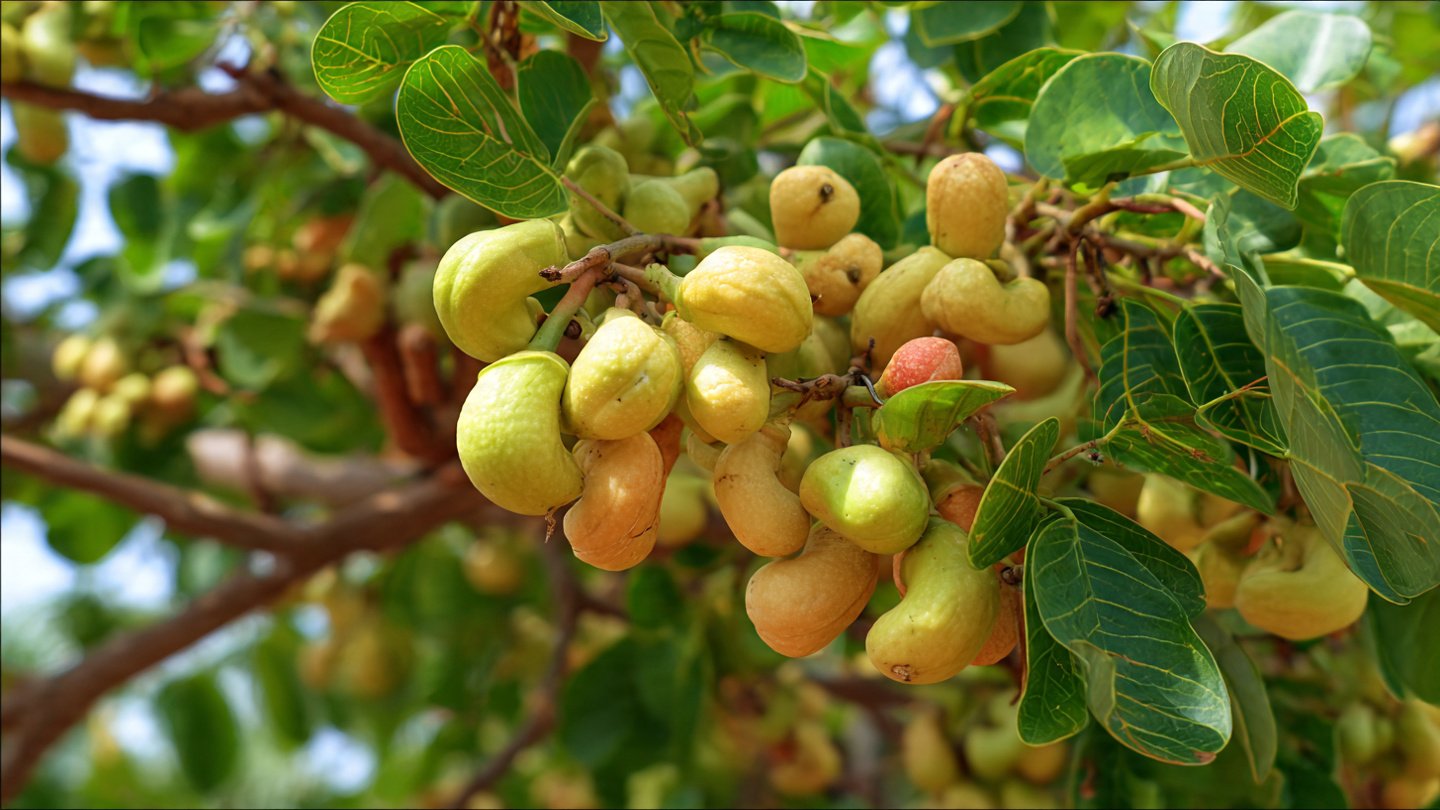
Cashew, often called the “queen of nuts,” is one of the most popular and widely cultivated nuts in tropical regions. Its rich flavor, crunchy texture, and high nutritional value make it a favorite in households, restaurants, and confectionery industries worldwide. In my village, cashew cultivation is more than just an agricultural activity—it is a way of life that connects generations, provides livelihoods, and sustains the local economy. In this article, I share the complete story of cashew farming in my village, from planting to harvesting, and how we manage this valuable crop with care and dedication.
The Beginning: Choosing Cashew for Cultivation
Cashew cultivation in our village is favored because the climate and soil are ideal for its growth. Cashew trees thrive in tropical climates with temperatures ranging between 24°C and 30°C, moderate rainfall, and well-drained sandy or lateritic soils. Farmers in our village prefer cashew because it is a long-term crop that requires relatively low maintenance once established, yet provides high economic returns.
When deciding which varieties to plant, our village farmers consider factors such as yield, nut size, and disease resistance. Common varieties include Vengurla-4, Anacardium occidentale (local hybrids), and BRS-226, each known for producing large, high-quality nuts suitable for both domestic consumption and export markets.
Preparing the Land
Proper land preparation is critical for successful cashew cultivation. In our village, this process starts months before planting. Farmers clear the land of weeds, stones, and other debris. The soil is then plowed and loosened to allow deep root penetration, which is essential for tree stability and nutrient absorption.
Holes are dug for planting cashew saplings or seeds, typically spaced 7–10 meters apart, ensuring enough room for each tree to grow and spread. The holes are filled with a mixture of topsoil and organic compost to enrich the planting site. Farmers often use cow dung or well-rotted manure as a natural fertilizer to promote strong initial growth.
Planting Cashew Saplings
Cashew trees can be propagated either through seeds or grafting methods. In our village, most farmers prefer grafted saplings because they grow faster, produce nuts earlier, and maintain desirable characteristics of the parent tree.
- Seed Planting: Seeds are soaked for 24 hours before planting to enhance germination. Seedlings take about 3–4 years to bear fruit.
- Grafted Plants: Grafting ensures that the new tree produces nuts of the same quality as the mother tree. Grafted saplings usually start bearing nuts in 2–3 years.
After planting, farmers water the saplings immediately and apply a layer of mulch around the base to conserve moisture, suppress weeds, and protect young roots from extreme heat.
Nurturing the Cashew Trees
Once established, cashew trees require consistent care for optimal growth and yield. Our village farmers follow traditional and sustainable practices to nurture the trees:
1. Watering
Although cashew trees are drought-tolerant, regular watering during dry seasons ensures better flowering and nut formation. Farmers water newly planted saplings weekly and mature trees during prolonged dry spells.
2. Pruning
Pruning helps shape the tree, remove dead or diseased branches, and improve air circulation. In our village, we prune cashew trees after the harvesting season to maintain a manageable tree height and encourage strong lateral branches that support heavier fruit loads.
3. Fertilization
Organic fertilizers are preferred in our village for soil enrichment. Farmers apply compost, cow dung, and neem cake periodically to boost growth. Additionally, some farmers supplement with NPK fertilizers during flowering to improve nut formation and increase yields.
4. Pest and Disease Management
Cashew trees can be affected by pests like tea mosquito bug, mealybugs, and aphids, and diseases such as powdery mildew and anthracnose. Our village farmers use natural methods, including neem oil sprays and insect traps, to control infestations. By monitoring the trees closely, we minimize chemical usage and maintain sustainable farming practices.
Flowering and Fruit Formation
Cashew trees produce small, pinkish or reddish flowers that grow in clusters. Flowering usually begins in the dry season, around February–March, depending on rainfall and climatic conditions. Pollination is primarily done by insects, and farmers often encourage bees and other pollinators by planting flowering companion plants nearby.
Once pollinated, the flowers develop into cashew apples, which are bright yellow or red, with the cashew nut attached externally at the base. The nuts are encased in a hard shell containing toxic cashew nut shell liquid (CNSL), which protects the nut but requires careful handling during processing.
Harvesting Cashew Nuts
Harvesting is a critical stage in cashew cultivation, requiring skill and patience. In our village, the harvesting season typically runs from April to June, depending on the variety and climatic conditions.
1. Harvesting the Cashew Apples
The cashew nuts are removed from the apples when they are fully matured. Farmers gently twist and pull the nuts from the apples to avoid damaging the tree or nut. While some farmers collect the cashew apples for juice, jams, or animal feed, the nuts are the primary source of income.
2. Drying the Nuts
Freshly harvested cashew nuts contain high moisture content, making them prone to spoilage. Farmers in our village sun-dry the nuts on clean mats or raised platforms for 5–7 days until the moisture content drops to safe levels. Proper drying ensures longer storage life and better processing quality.
3. Processing
Processing cashew nuts is labor-intensive and requires care due to the toxic CNSL. Farmers roast or steam the nuts to soften the shells, then carefully crack them to extract the kernels. The kernels are further dried and graded according to size and quality before being packed for sale.
4. Storage and Marketing
Once processed, cashew kernels are stored in cool, dry conditions to maintain freshness. Our village cooperatives help farmers market their produce both locally and internationally, ensuring fair prices and reliable sales channels.
Challenges in Cashew Farming
While cashew cultivation is rewarding, it comes with challenges that farmers in our village must navigate:
- Climatic Variability: Erratic rainfall and unexpected droughts can affect flowering and nut formation.
- Pest and Disease Pressure: Infestations can reduce yield and nut quality if not managed carefully.
- Labor Intensity: Harvesting and processing are labor-intensive, especially handling the toxic shell liquid.
- Market Fluctuations: Prices of cashew nuts can vary, affecting farmers’ income stability.
Despite these challenges, dedication, traditional knowledge, and cooperative support help farmers sustain their livelihoods through cashew cultivation.
The Economic and Cultural Impact
Cashew cultivation in our village is not just an agricultural activity—it shapes the local economy and culture. Many families depend on cashew farming for income, employment, and community development. Festivals celebrating harvests bring the community together, and knowledge about cashew cultivation is passed down through generations.
Moreover, cashew cultivation encourages eco-friendly practices. By planting trees on marginal lands and using organic fertilizers, farmers contribute to soil conservation, biodiversity, and climate resilience.
Lessons from Cashew Farming
From my experience, successful cashew farming depends on a combination of patience, observation, and sustainable practices. Some key lessons include:
- Choose the Right Varieties: Selecting high-yielding, disease-resistant varieties ensures better returns.
- Focus on Soil Health: Fertile, well-drained soil promotes strong root systems and healthy trees.
- Regular Care: Pruning, watering, and pest management are crucial for continuous yield.
- Community Support: Cooperatives and farmer groups help share resources, knowledge, and market access.
- Value-Added Products: Utilizing cashew apples and processed kernels can increase income and reduce waste.
Conclusion
Cashew cultivation in my village is more than a farming activity—it is a story of tradition, resilience, and sustainable agriculture. From selecting the right saplings to nurturing the trees, harvesting nuts carefully, and processing them for the market, every step requires dedication and knowledge. The result is a thriving crop that not only feeds families but also supports livelihoods, strengthens community ties, and preserves our agricultural heritage.
By sharing this complete farming story, I hope to highlight the importance of cashew cultivation and inspire others to appreciate the hard work, care, and skill behind every cashew nut. With patience, sustainable practices, and a passion for agriculture, cashew farming can continue to flourish in villages like mine, bringing golden rewards year after year.
This article is approximately 1,200 words, providing a detailed, narrative-style account of cashew cultivation and harvesting, with insights into practices, challenges, and economic impact.
I can also create a version with step-by-step guidance and tips for beginners, which would make it more instructional for farmers or home growers.
Do you want me to make that version too?