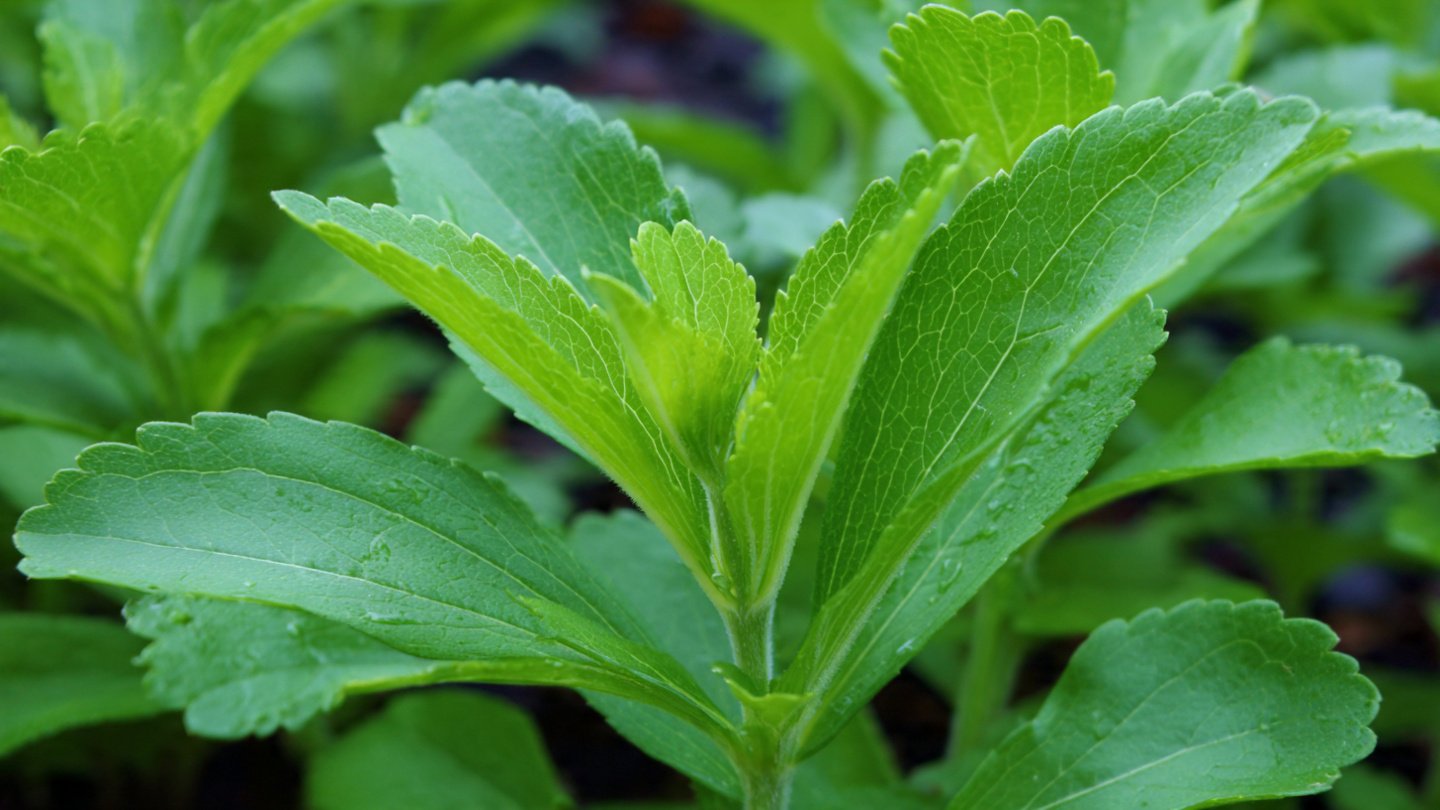
With growing awareness about sugar’s impact on health, many people are searching for natural alternatives that don’t compromise sweetness. One name that consistently comes up is stevia—a plant-based sweetener known for being calorie-free and significantly sweeter than sugar. But beyond buying stevia powders or liquid drops at the store, a question often arises: Can you really grow your own stevia at home?
The answer is a resounding yes. Growing stevia yourself is not only possible but also surprisingly rewarding. Whether you have a garden, balcony, or sunny windowsill, stevia can be cultivated at home with the right care. This article explores everything you need to know—from how stevia works as a sugar substitute to how to grow, harvest, and use it effectively.
What Is Stevia and Why Is It So Popular?
Stevia (Stevia rebaudiana) is a perennial herb native to South America. Its leaves contain natural compounds called steviol glycosides, which are responsible for its intense sweetness—up to 200–300 times sweeter than sugar.
Unlike artificial sweeteners, stevia:
- Contains zero calories
- Does not raise blood sugar levels
- Is suitable for diabetics
- Is plant-based and natural
For centuries, indigenous communities used stevia leaves to sweeten teas and medicinal drinks. Today, it has become a global sugar alternative, especially for those aiming to reduce refined sugar consumption.
Can Homegrown Stevia Really Replace Sugar?
Yes—but with some important understanding.
Fresh or dried stevia leaves are incredibly sweet, but they don’t behave exactly like sugar in baking or cooking. While sugar adds bulk, moisture, and caramelization, stevia’s role is pure sweetness.
Homegrown stevia works best for:
- Sweetening tea, coffee, and herbal drinks
- Smoothies and juices
- Yogurt and oatmeal
- Homemade syrups
- Simple desserts
It’s less ideal as a one-to-one sugar replacement in baked goods unless combined with other ingredients. Still, for daily use, growing your own stevia can significantly reduce your dependence on refined sugar.
Benefits of Growing Stevia at Home
Growing stevia yourself offers several advantages beyond convenience:
1. Full Control Over Purity
Store-bought stevia products are often blended with additives like maltodextrin or erythritol. Homegrown stevia is 100% natural.
2. Cost-Effective
A single healthy stevia plant can produce hundreds of sweet leaves each season.
3. Sustainable and Eco-Friendly
No packaging, no processing, and no chemicals—just fresh leaves from your garden.
4. Fresh Flavor
Fresh stevia leaves have a cleaner, less bitter taste compared to some processed products.
5. Health-Conscious Living
Growing your own sweetener encourages mindful eating and healthier habits.
Is Stevia Easy to Grow?
Stevia is relatively easy to grow, especially in warm climates. It’s a tender perennial, meaning it grows year-round in frost-free regions and can be grown as an annual or indoor plant in cooler areas.
With proper sunlight, well-draining soil, and consistent care, stevia thrives even for beginner gardeners.
Ideal Growing Conditions for Stevia
To grow stevia successfully, it’s important to mimic its natural environment.
Sunlight
- Needs 6–8 hours of sunlight daily
- Prefers bright, indirect sun in very hot climates
- Can be grown indoors near a sunny window
Temperature
- Ideal range: 18–30°C (65–85°F)
- Sensitive to frost
- Grows best in warm, humid conditions
Soil
- Light, well-draining soil
- Slightly acidic to neutral pH (6.5–7.5)
- Avoid heavy clay or compacted soil
Adding compost or coco peat improves drainage and root health.
Growing Stevia: Seeds vs Cuttings
Growing from Seeds
Stevia seeds are tiny and have low germination rates.
Tips for seed success:
- Use fresh seeds
- Do not bury deeply—light aids germination
- Keep soil moist but not soggy
- Germination may take 1–2 weeks
Growing from Cuttings (Recommended)
Cuttings are more reliable and grow faster.
How to propagate from cuttings:
- Take a 3–4 inch cutting from a healthy plant
- Remove lower leaves
- Place in water or moist soil
- Roots form in 1–2 weeks
Most home gardeners prefer cuttings for consistent results.
Planting Stevia in Pots or Garden Beds
Container Growing
Stevia grows exceptionally well in pots.
- Choose a pot at least 8–10 inches deep
- Ensure good drainage
- Ideal for balconies and indoor gardening
Garden Beds
- Space plants 12–18 inches apart
- Raised beds work best
- Protect from strong winds
Potted stevia plants can easily be moved indoors during cold weather.
Watering and Feeding Stevia Plants
Watering
- Keep soil consistently moist
- Avoid waterlogging
- Water more frequently in hot weather
Fertilizing
- Use light, organic fertilizers
- Compost tea or diluted liquid fertilizer works well
- Avoid excessive nitrogen, which reduces sweetness
Healthy plants produce sweeter leaves.
Pruning and Maintenance
Regular pruning encourages bushy growth and higher leaf production.
- Pinch tips every few weeks
- Remove flower buds to keep leaves sweet
- Cut back leggy growth
Once stevia flowers, leaf sweetness decreases, so pruning is essential.
Harvesting Stevia Leaves
You can begin harvesting once the plant reaches 8–10 inches tall.
Best Time to Harvest
- Just before flowering
- Morning harvest gives best flavor
How to Harvest
- Cut stems, not individual leaves
- Leave some growth for regrowth
- Multiple harvests are possible each season
Drying and Storing Stevia
Drying
- Air-dry stems in a shaded, well-ventilated area
- Or use a dehydrator on low heat
Storage
- Strip dried leaves from stems
- Store in airtight containers
- Crush into powder if desired
Dried stevia leaves can last up to a year when stored properly.
How to Use Homegrown Stevia
Here are simple ways to use your stevia harvest:
- Fresh leaves: Add to tea or lemonade
- Dried leaves: Brew as sweet tea
- Powder: Grind dried leaves into green powder
- Liquid extract: Soak leaves in alcohol or glycerin
A little goes a long way—start small and adjust to taste.
Common Problems When Growing Stevia
Bitter Taste
- Caused by flowering
- Harvest earlier and prune regularly
Slow Growth
- Insufficient sunlight
- Poor soil drainage
Yellow Leaves
- Overwatering
- Nutrient imbalance
Pest Issues
- Aphids and whiteflies occasionally
- Treat with neem oil or insecticidal soap
Stevia is generally pest-resistant and low-maintenance.
Is Growing Stevia Worth It?
If your goal is to reduce sugar intake naturally, the answer is absolutely yes.
Growing your own stevia:
- Saves money
- Supports better health
- Reduces processed food reliance
- Encourages sustainable living
While it may not replace sugar entirely in baking, it excels as a daily natural sweetener for drinks and simple foods.
Conclusion
So, can you really grow your own stevia for a natural sugar substitute? Without a doubt. Stevia is one of the most practical and rewarding plants for health-conscious gardeners. With minimal space, simple care, and a bit of patience, you can harvest your own zero-calorie sweetness straight from your garden or windowsill.
In a world filled with artificial sweeteners and hidden sugars, growing stevia at home offers a refreshing return to nature—one leaf at a time. Whether you’re managing blood sugar, cutting calories, or simply exploring sustainable living, stevia proves that sometimes the sweetest solutions really do grow on plants.