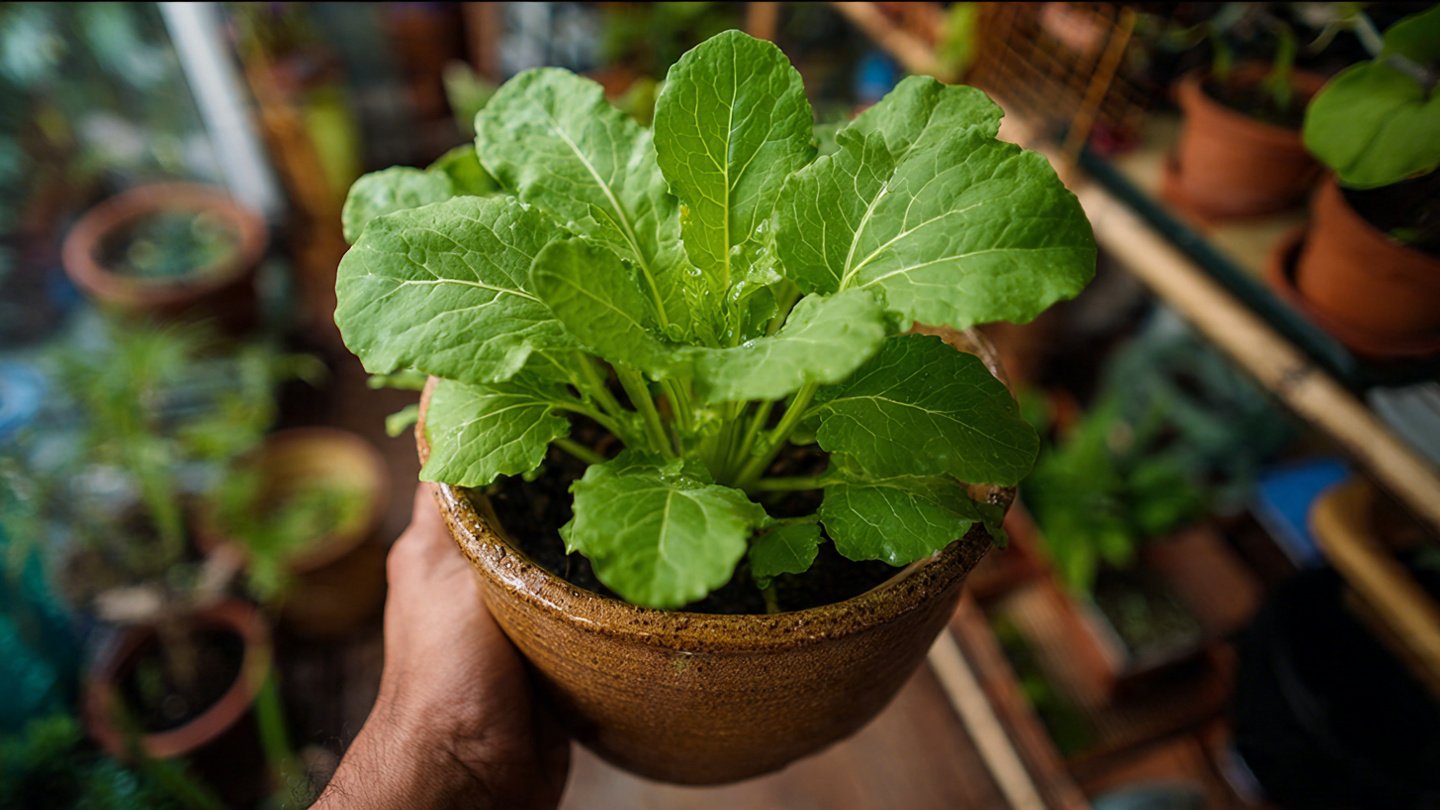
Poi saag, also known as Basella alba or Malabar spinach, is a lush, leafy green that’s a staple in many tropical and subtropical cuisines. With its succulent leaves and slightly mucilaginous texture, poi saag is perfect for soups, curries, stir-fries, and even fresh salads. Traditionally grown outdoors in warm, humid climates, many home gardeners wonder if it’s possible to grow this versatile plant indoors. The good news is—you absolutely can! With the right approach, you can cultivate healthy, vibrant poi saag right on your windowsill or balcony using an easy, low-maintenance hack.
This guide will walk you through everything you need to know to grow poi saag indoors successfully.
Why Grow Poi Saag Indoors?
Growing poi saag indoors has several advantages:
- Year-Round Harvest: Indoors, you can control temperature and light, allowing for continuous growth regardless of season.
- Pesticide-Free Greens: Indoor cultivation reduces the risk of pests, letting you enjoy clean, chemical-free leaves.
- Space-Saving: Even if you have a small apartment or balcony, poi saag can thrive in pots or containers.
- Fast-Growing Crop: With proper care, you can harvest leaves within 3–4 weeks of planting.
- Beautiful Greenery: The thick, glossy leaves and climbing vines add a touch of tropical beauty to your indoor space.
Step 1: Selecting the Right Variety
Poi saag has a few varieties, and selecting the right one can make indoor cultivation easier:
- Basella alba (Green Malabar Spinach): Common, fast-growing, and suitable for containers.
- Basella rubra (Red Malabar Spinach): Has striking reddish stems and leaves; slightly slower-growing but adds decorative value.
For indoor growth, Basella alba is usually recommended due to its vigorous growth habit and adaptability to container life.
Step 2: Sourcing Seeds or Cuttings
There are two main ways to start your indoor poi saag garden: seeds or cuttings.
Using Seeds:
- Purchase fresh, organic poi saag seeds from a trusted supplier.
- Check the seed packet for germination instructions and expected growth time.
Using Cuttings:
- Cut a 4–6 inch healthy vine from an existing poi saag plant.
- Remove the lower leaves to expose nodes that will root in water or soil.
- This method is faster, as cuttings usually establish in 1–2 weeks compared to seeds, which may take 7–14 days to sprout.
Step 3: The Easy Indoor Hack – Using Water Germination
Here’s the hack that makes indoor poi saag cultivation simple and effective: start your seeds or cuttings in water.
Steps for Water Germination:
- Fill a clear glass or jar with clean, room-temperature water.
- Place the seeds or cuttings in the water, making sure at least one node of the cutting is submerged.
- Position the container near a bright window or under a grow light.
- Change the water every 2–3 days to prevent stagnation and promote healthy root growth.
- Within 1–2 weeks, you’ll notice roots emerging.
Once roots are 2–3 inches long, you can transplant the cutting or seedling into a pot with soil. This method eliminates the need for complicated germination trays and gives you a visible, satisfying start.
Step 4: Choosing the Right Container
Poi saag is a climbing vine, so selecting a suitable container is crucial.
- Pot Size: A medium-sized pot, at least 8–12 inches deep, works well.
- Drainage: Ensure the pot has holes at the bottom to prevent waterlogging.
- Material: Clay, ceramic, or plastic pots are all fine, but make sure they’re sturdy enough to support the plant as it grows.
For vertical growth, you can also use trellises, stakes, or even a small indoor plant support, allowing the vine to climb and save space.
Step 5: Soil Preparation
Poi saag prefers rich, well-draining soil. Here’s a simple indoor soil mix:
- 2 parts potting soil
- 1 part compost or well-rotted organic matter
- 1 part sand or perlite to improve drainage
This mix ensures that the roots get enough nutrients while avoiding waterlogging, which can harm the plant.
Step 6: Planting Your Seedlings or Cuttings
Once your water-grown roots are ready:
- Fill the container with prepared soil mix.
- Make a small hole in the center.
- Gently place the cutting or seedling into the hole, covering roots with soil.
- Firm the soil lightly around the base and water thoroughly.
At this stage, your indoor poi saag is officially planted and ready for growth.
Step 7: Light and Temperature Requirements
Poi saag loves light, warmth, and humidity—conditions you can simulate indoors:
- Light: Provide at least 6–8 hours of bright, indirect sunlight. A south-facing window is ideal. If sunlight is limited, supplement with a full-spectrum LED grow light.
- Temperature: Maintain 20–30°C (68–86°F). Poi saag does not tolerate frost.
- Humidity: Indoors, especially in winter, humidity can drop. Mist leaves occasionally or place a small humidifier nearby to replicate tropical conditions.
Step 8: Watering and Feeding
Poi saag is a succulent vine that stores water in its leaves, so it doesn’t need constant watering:
- Watering: Keep the soil consistently moist but not soggy. Water when the top inch of soil feels dry.
- Fertilization: Feed with a diluted, balanced liquid fertilizer every 2–3 weeks to encourage lush foliage growth. Organic options like fish emulsion or compost tea work well.
Step 9: Supporting Your Climbing Vines
Poi saag naturally climbs, so providing support is key for indoor success:
- Use small trellises, stakes, or bamboo sticks.
- Tie the stems loosely with soft string to guide them upward.
- Indoor vertical growth saves space and keeps leaves clean and healthy.
As the vine grows, you can prune any overlong or tangled stems to maintain a tidy appearance.
Step 10: Harvesting Your Indoor Poi Saag
The best part of growing poi saag indoors is the harvest.
- Time to First Harvest: Leaves can be harvested 3–4 weeks after planting. For cuttings, it may be slightly faster.
- Harvesting Method: Snip outer leaves from the base, leaving the inner leaves intact for continuous growth.
- Continuous Supply: Regular harvesting encourages new growth, giving you a near-constant supply of fresh greens.
Remember, poi saag leaves are tender and slightly mucilaginous, so they’re perfect for stir-fries, curries, soups, and smoothies.
Step 11: Troubleshooting Common Indoor Issues
Even with the easy water-to-soil hack, you may encounter challenges:
- Yellowing Leaves: Usually a sign of overwatering or nutrient deficiency. Adjust watering and feed with fertilizer.
- Leggy Growth: Occurs when the plant is not getting enough light. Move it closer to sunlight or add a grow light.
- Slow Growth: Could be due to low humidity or cool temperatures. Ensure the plant is warm and occasionally misted.
- Pests: Indoors, spider mites or aphids can appear. Wipe leaves with water, neem oil, or insecticidal soap.
Step 12: Benefits of Growing Poi Saag Indoors
Indoor cultivation of poi saag offers multiple advantages:
- Nutritional Value: Rich in vitamins A, C, and iron, making it a healthy addition to your diet.
- Culinary Versatility: Use it fresh in salads, cooked in curries, or blended into smoothies.
- Decorative Appeal: Glossy green leaves and climbing stems add a tropical feel to your indoor space.
- Low Maintenance: Once established, it’s hardy, fast-growing, and forgiving.
- Educational: Watching a tropical plant thrive indoors is a fun and rewarding learning experience for adults and children alike.
Step 13: Final Tips for Success
- Rotate your pot occasionally so all sides get equal light exposure.
- Clean leaves periodically to remove dust and allow better photosynthesis.
- Consider companion plants that thrive in similar conditions to create a mini indoor garden.
- Save some seeds from harvested leaves if you want to propagate more plants.
Conclusion
So, can you really grow poi saag indoors? The answer is a resounding yes! Using the simple water germination hack and following the right care routine, you can cultivate a thriving indoor Malabar spinach vine that delivers fresh, healthy greens year-round. With minimal space, a bit of patience, and the right conditions, you’ll enjoy the vibrant foliage and delicious leaves of this tropical plant right in your home.
Whether you’re a seasoned gardener or a beginner looking to try indoor gardening, poi saag is a perfect choice. Its rapid growth, easy care, and culinary versatility make it a rewarding addition to any indoor plant collection. So grab some seeds or cuttings, try this easy indoor hack, and watch your very own tropical vine flourish indoors!