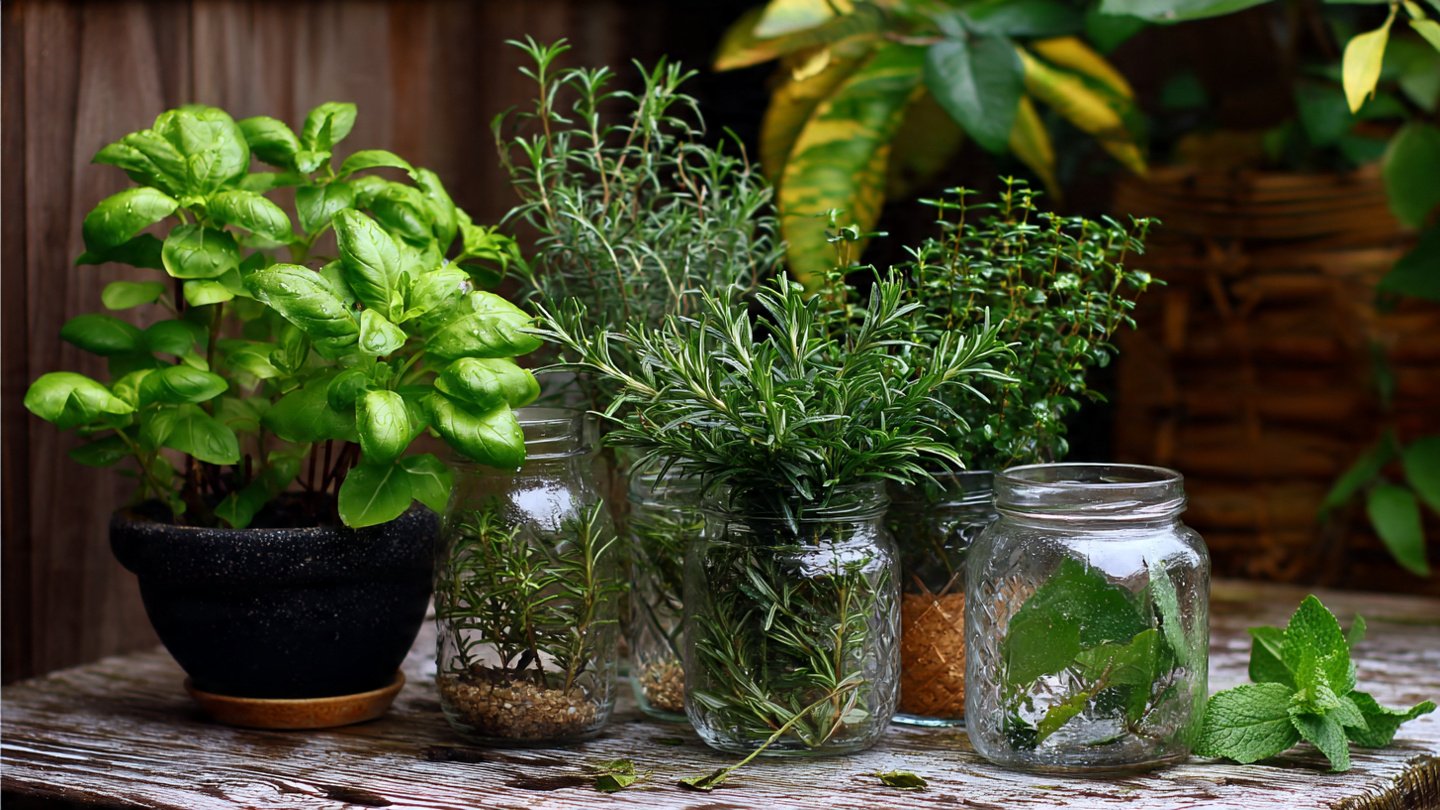
Gardening is a sensory delight, and few things compare to the joy of walking through a garden filled with aromatic blooms and foliage. Many gardeners dream of creating a fragrant garden, where every corner offers a whiff of sweet or earthy aromas — from roses and lavender to mint and jasmine. But is it possible to achieve such a garden using only cuttings, rather than seeds or mature plants? The short answer is yes — with careful planning, proper techniques, and patience, you can cultivate a fragrant garden entirely from cuttings. This guide will explore how to propagate aromatic plants from cuttings, what types of plants work best, and practical tips to ensure success.
Why Choose Cuttings Over Seeds?
Growing plants from seeds is traditional and can be rewarding, but cuttings offer unique advantages, especially when building a fragrant garden:
- Faster Flowering: Plants grown from cuttings often bloom earlier than seed-grown plants. Aromatic plants like jasmine or lavender can take years from seed to flower, but a healthy cutting may flower within the first season.
- Preserve Fragrance: Fragrance is a genetic trait. When grown from cuttings, the new plant retains the scent of the parent, ensuring the aromas you love are reproduced accurately. Seeds, by contrast, can vary genetically, sometimes producing offspring with weaker or altered fragrance.
- Cost-Effective: Cuttings are an economical way to multiply plants, especially for expensive or rare aromatic species.
- Sustainability: Propagating from cuttings reduces the need to purchase mature plants, making your gardening practice more environmentally friendly.
Best Aromatic Plants for Propagation via Cuttings
Not all fragrant plants are equally easy to grow from cuttings. Some root readily in water or soil, while others require more care. Here’s a list of popular fragrant plants that are ideal for cutting propagation:
1. Lavender (Lavandula)
- Propagation Type: Softwood or semi-hardwood cuttings
- Aroma: Sweet, calming, and floral
- Tips: Take cuttings in late spring or early summer. Avoid overwatering, as lavender prefers well-drained soil.
2. Rosemary (Rosmarinus officinalis)
- Propagation Type: Semi-hardwood cuttings
- Aroma: Woody, earthy, slightly piney
- Tips: Root in a sandy, well-drained medium. Provide indirect sunlight until roots form.
3. Mint (Mentha spp.)
- Propagation Type: Softwood cuttings
- Aroma: Refreshing, cool, and invigorating
- Tips: Mint roots very quickly in water or soil. Be cautious: mint spreads aggressively and may need containment.
4. Jasmine (Jasminum spp.)
- Propagation Type: Semi-hardwood cuttings
- Aroma: Sweet, rich, and heady
- Tips: Take cuttings during the growing season. Ensure high humidity and indirect light for optimal rooting.
5. Gardenia (Gardenia jasminoides)
- Propagation Type: Semi-hardwood cuttings
- Aroma: Intense, creamy floral
- Tips: Requires moist, slightly acidic soil. Protect from direct sunlight until established.
6. Scented Geraniums (Pelargonium spp.)
- Propagation Type: Softwood cuttings
- Aroma: Citrus, rose, or minty depending on variety
- Tips: Allow cuttings to callus slightly before planting to reduce rot.
By focusing on plants like these, you can build a fragrant garden where every corner is aromatic — and all plants share a genetic link to a parent plant, preserving the desired scents.
Step-by-Step Guide to Propagating Aromatic Plants from Cuttings
Creating a fragrant garden from cuttings requires careful technique. Here’s a practical guide:
Step 1: Select Healthy Parent Plants
- Choose vigorous plants with no signs of disease or pest damage.
- Aromatic leaves should be vibrant, free from yellowing or spots.
Step 2: Take the Cuttings
- Use sharp, sterilized scissors or pruning shears to prevent infection.
- Cut 4–6 inch stems with at least 2–3 nodes. Nodes are where roots will form.
- Remove lower leaves and leave a few at the top to support photosynthesis.
Step 3: Use a Rooting Medium
- Options for organic rooting include coir, peat moss, perlite, or a mix.
- Fill a small pot or tray with your medium and moisten lightly.
Step 4: Apply Rooting Hormone (Optional, Organic)
- While not strictly necessary, using an organic rooting hormone can increase success rates:
- Honey: Natural antifungal and stimulates root growth
- Aloe vera gel: Protects against infection and encourages root formation
- Willow water: Contains natural auxins for rooting
Step 5: Plant the Cuttings
- Insert the cutting 1–2 inches deep into the medium.
- Firm gently around the base, avoiding compaction.
- Water lightly to settle the soil.
Step 6: Create a Humid Environment
- Cover with a plastic dome or bag to retain moisture.
- Ensure the plastic does not touch leaves.
- Keep cuttings in bright, indirect light.
Step 7: Monitor and Care
- Keep the medium damp but not soggy.
- Mist regularly to maintain humidity.
- After 4–6 weeks, gently tug to check for resistance, a sign of root formation.
Step 8: Transplant
- Once roots are established, transplant into a larger pot or garden bed.
- Gradually acclimate to outdoor conditions, reducing humidity and increasing sunlight.
Designing a Fragrant Garden with Cuttings
Propagation is just the first step. To create a truly fragrant garden from cuttings alone, consider these design strategies:
1. Layering Aromas
- Place plants with strong scents near pathways or seating areas.
- Taller aromatic plants (e.g., jasmine, gardenia) at the back of beds; shorter, ground-level scents (e.g., mint, lavender) in front.
2. Seasonal Interest
- Mix plants that bloom or release fragrance at different times:
- Spring: Lilacs, lavender
- Summer: Jasmine, gardenia
- Fall: Chrysanthemums, scented geraniums
3. Companion Planting
- Combine plants that enhance each other’s scent. For example:
- Lavender with rosemary for a Mediterranean aroma
- Mint with chamomile for a refreshing corner
4. Container Gardens
- Not all cuttings need garden beds. Containers allow placement near doors, patios, or seating areas for maximum scent impact.
5. Maintenance
- Prune regularly to encourage new growth and flowers.
- Remove dead leaves or flowers to maintain plant health and fragrance intensity.
Tips for Success
- Patience is key: Some aromatic plants root faster than others. Be patient and avoid overwatering.
- Sanitation: Clean tools and pots reduce the risk of fungal infections.
- Consistency: Keep temperature, light, and moisture levels stable, especially for delicate species like gardenia or jasmine.
- Propagation Variety: Use multiple cuttings to increase your chances of success; not all cuttings will root.
- Organic Care: Fertilize with compost, liquid seaweed, or organic plant food to maintain fragrance quality.
Challenges to Consider
While it is possible to create a fragrant garden from cuttings alone, gardeners may encounter challenges:
- Slow Establishment: Some cuttings, especially woody shrubs, may take months to root.
- Pest Sensitivity: Aromatic plants can attract pests like aphids; natural repellents like neem oil may help.
- Climatic Limits: Certain cuttings require warm, humid environments to root successfully.
Understanding and preparing for these factors ensures a high success rate and a fragrant, thriving garden.
Conclusion
Creating a fragrant garden entirely from cuttings is not only possible but also a rewarding, sustainable, and cost-effective approach to gardening. By choosing the right aromatic plants, mastering propagation techniques, and planning your garden layout strategically, you can cultivate a garden where every corner delights the senses. From lavender and mint to jasmine and gardenia, cuttings allow you to preserve the exact fragrance of your favorite plants while expanding your garden organically.
With patience, attention to detail, and proper care, your garden can become a living mosaic of scents, offering daily moments of joy and relaxation. The next time you walk through your fragrant haven, you’ll know that it’s not just beautiful — it’s a garden grown from love, knowledge, and the magic of cuttings.