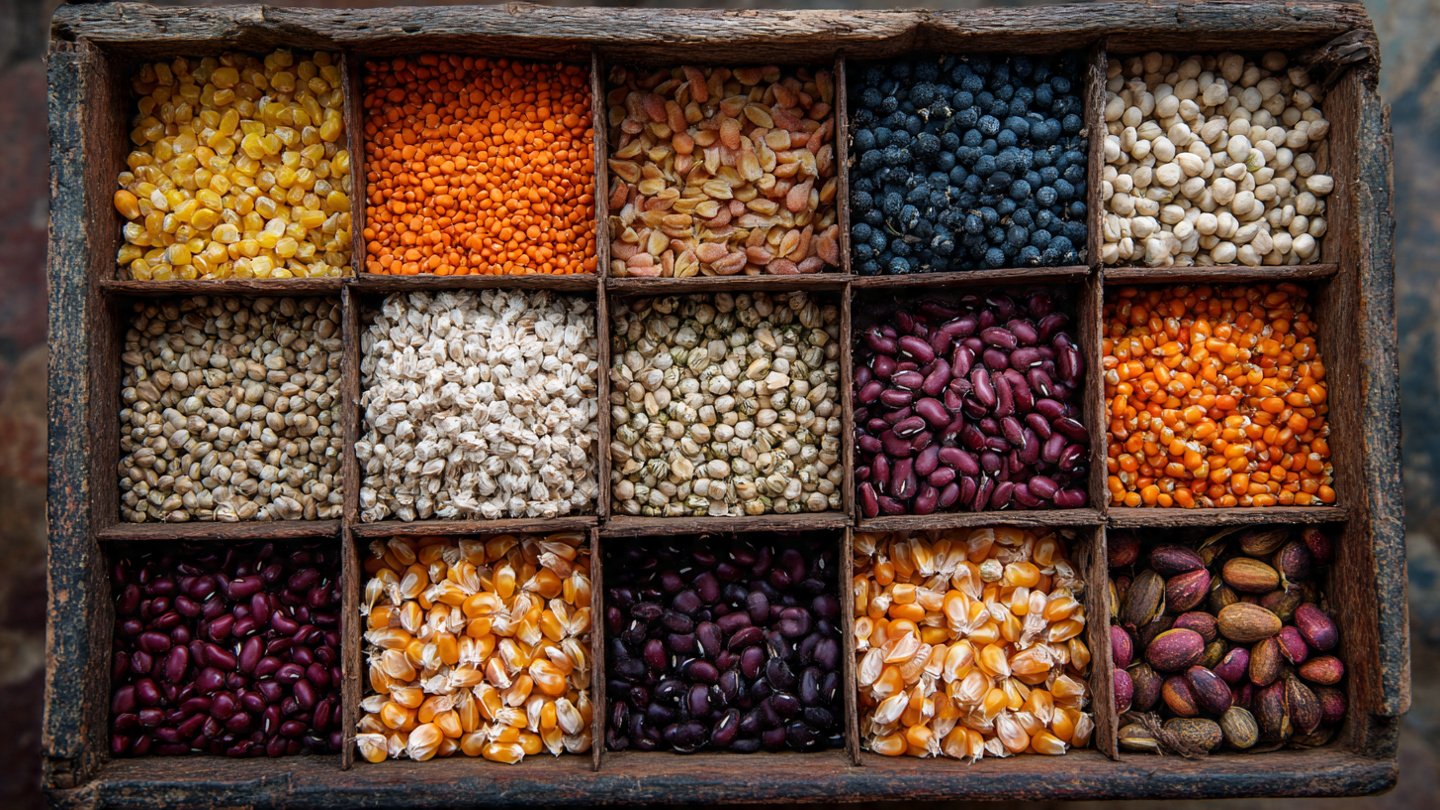
Imagine stepping into your garden during summer and seeing rows of tall, green corn plants swaying in the breeze, their golden tassels glowing in the sunlight. The idea becomes even more exciting when you realize that one special seed variety can produce kernels ready for popping into delicious, fresh popcorn. Yes, with the right approach, your home garden can become a popcorn paradise, combining the joy of gardening with a tasty, nutritious treat.
In this guide, we explore how one special popcorn seed variety can transform your garden, why popcorn is a fantastic home-grown crop, and tips to achieve maximum yield and quality.
Why Grow Popcorn in Your Garden?
Popcorn is not only a delicious snack but also a surprisingly easy and rewarding crop to grow at home. Here’s why:
1. Freshness and Flavor
Homegrown popcorn has a crisp, nutty flavor far superior to store-bought varieties. When popped fresh, the taste is unmatched.
2. Fun for Kids and Families
Watching popcorn grow from tiny seeds into towering plants, then harvesting the ears and popping them, is an educational and interactive experience for children.
3. Sustainability
Growing your own popcorn reduces packaging waste and food miles, making it a more eco-friendly option.
4. Nutritional Benefits
Popcorn is a whole grain, rich in fiber and antioxidants, making it a healthy snack option.
Choosing the Right Popcorn Seed Variety
The secret to creating a popcorn paradise lies in selecting the right seed variety. Not all corn is created equal—sweet corn or field corn varieties won’t give you the classic popping experience.
Popular Popcorn Varieties for Home Gardens:
- ‘Strawberry Popcorn’
- Unique red kernels with a sweet, nutty flavor
- Produces tall, sturdy stalks ideal for gardens
- ‘White Butterfly’
- Small white kernels that pop into fluffy, tender popcorn
- Compact and suitable for smaller gardens
- ‘Japanese Hulless’
- Kernels pop almost completely, leaving minimal hulls
- Easy to harvest and store
- ‘Yellow Gourmet’
- Traditional yellow popcorn with large ears
- Robust flavor, perfect for family movie nights
Choosing a high-quality, fresh seed ensures maximum germination, uniform growth, and excellent popping results.
Preparing Your Garden for Popcorn
Popcorn thrives in warm, sunny conditions with well-draining soil. Here’s how to prepare:
Soil Preparation
- Loosen soil to a depth of 12–15 inches for strong root growth
- Add compost or well-rotted manure for fertility
- Ideal pH: 6.0–6.8
Sunlight
- Popcorn needs full sun (6–8 hours daily) for healthy stalks and kernel development
Spacing
- Plant seeds 6–8 inches apart, with rows 24–36 inches apart
- Adequate spacing prevents overcrowding and allows air circulation, reducing disease risk
Optional Support
- Taller varieties may benefit from row covers or stakes, especially in windy areas
Planting Popcorn Seeds
Planting popcorn seeds correctly is essential for strong growth and uniform ears.
Steps:
- Sow seeds after the last frost, when soil temperatures reach 60–65°F (16–18°C)
- Plant seeds 1–2 inches deep
- Water gently but thoroughly after planting
- Thin seedlings to the strongest plants once they reach 4–6 inches tall
Tips:
- Plant in blocks rather than single rows—corn is wind-pollinated, and blocks improve pollination and ear development
- Avoid transplanting; popcorn roots are sensitive, and direct sowing ensures better results
Caring for Popcorn Plants
Proper care throughout the season is key to producing plump, tasty kernels.
Watering
- Maintain even moisture, especially during tassel and ear formation
- Avoid waterlogging, which can stunt growth
Fertilization
- Side-dress plants with nitrogen-rich fertilizer when they are 12 inches tall
- Repeat fertilization at ear formation for larger kernels
Weed Control
- Mulch around plants to suppress weeds and conserve soil moisture
- Avoid disturbing roots during cultivation
Pest Management
- Common pests: corn earworm, aphids, and cutworms
- Use natural controls like neem oil, beneficial insects, or row covers
Pollination
- Popcorn is wind-pollinated; shaking tassels lightly or allowing natural wind ensures kernels develop fully
Harvesting Popcorn
Knowing when to harvest is crucial for quality popcorn.
Signs Your Popcorn Is Ready:
- Husks have turned brown and dry
- Kernels are hard and glossy, resistant to denting when pressed
- Stalks have started to dry and turn golden
Harvesting Tips:
- Remove ears carefully to avoid damaging the stalk
- Dry ears further in a cool, ventilated area for 2–4 weeks
- Test kernels by pressing; they should be firm and resistant
Proper drying ensures maximum popping efficiency and prevents mold during storage.
Popping Your Homegrown Popcorn
Freshly popped popcorn from your garden is a rewarding experience.
Methods:
- Stovetop: Heat a small amount of oil, add kernels, cover, and shake occasionally
- Air popper: For a healthier option without oil
- Microwave: Place dried kernels in a paper bag and fold the top
Flavor Ideas:
- Classic butter and salt
- Sprinkle with paprika, nutritional yeast, or cinnamon sugar
- Mix with nuts or dried fruit for a snack mix
Homegrown popcorn tastes richer and fresher than store-bought options, making it perfect for movie nights or healthy snacks.
Benefits of Growing Popcorn at Home
- Educational Experience
- Great for teaching kids about plant growth, pollination, and food production
- Aesthetic Appeal
- Tall, green stalks with tassels create a cornfield-like charm in gardens
- Self-Sufficiency
- Producing your own snack reduces grocery bills and adds garden-to-table freshness
- Versatility
- Popcorn can be eaten fresh, stored, or shared as a homegrown treat
Common Mistakes to Avoid
- Planting too early, when soil is cold – slows germination
- Overcrowding – poor pollination and smaller ears
- Neglecting watering during tassel and ear development
- Harvesting too early – kernels won’t pop well
- Ignoring pests – corn earworms can destroy ears
Avoiding these mistakes ensures a successful and productive popcorn harvest.
Final Thoughts
Yes, one special seed variety can absolutely transform your garden into a popcorn paradise. By selecting the right popcorn seeds, preparing your garden properly, and following simple care techniques, you can enjoy rows of thriving corn plants, abundant harvests of kernels, and the joy of popping fresh, homegrown popcorn.
From the fun of planting seeds to the satisfaction of sharing a warm, freshly popped bowl, homegrown popcorn offers both culinary delight and gardening fulfillment. With patience, consistent care, and attention to pollination and watering, your garden can become a season-long source of delicious, nutritious, and colorful popcorn.
Whether you’re a gardening beginner, a family looking for fun projects, or a food enthusiast who loves fresh ingredients, growing popcorn from seed at home is a rewarding adventure that turns your backyard into a true popcorn paradise.