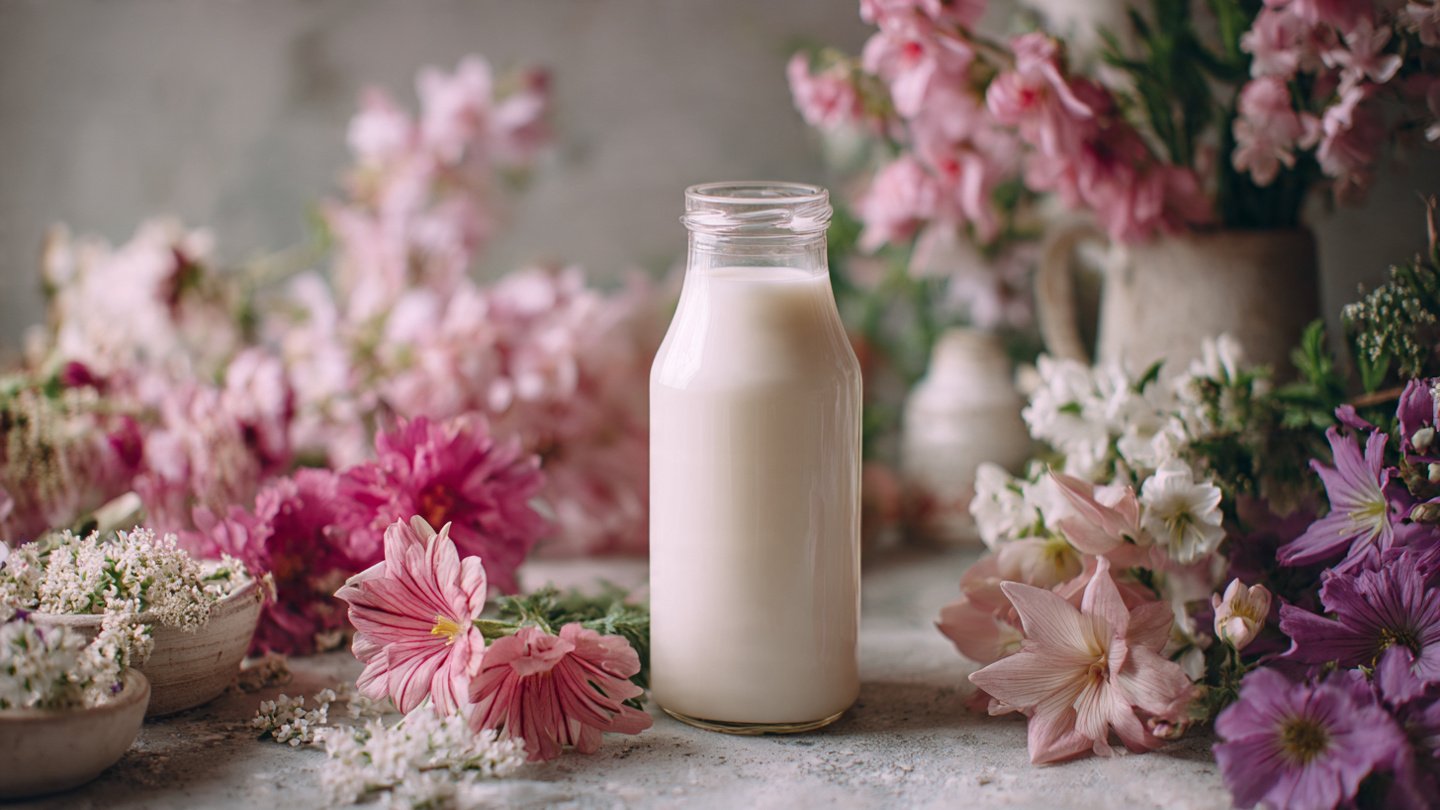
Powdery mildew is one of the most frustrating problems gardeners face. One day your flowers look healthy and vibrant, and the next, their leaves are coated with a white, dusty film that spreads rapidly and weakens the plant. While many people turn to chemical fungicides, a surprising and inexpensive household item has gained attention as a natural alternative—milk.
But can milk really banish mildew from flower leaves? Is it effective, safe, and practical for home gardens? This article explores the science, benefits, limitations, and proper methods of using milk to control mildew, helping you decide whether it truly is the secret solution your garden needs.
Understanding Powdery Mildew on Flower Plants
Powdery mildew is a fungal disease caused by several species of fungi, most commonly Erysiphe and Oidium. Unlike many fungal diseases, powdery mildew does not require wet leaves to spread. It thrives in warm days, cool nights, and humid air, making it a common issue in both indoor and outdoor gardens.
Common Signs of Powdery Mildew
- White or gray powdery coating on leaves and stems
- Distorted or curled leaves
- Reduced flowering and stunted growth
- Premature leaf drop
If left untreated, powdery mildew weakens plants by interfering with photosynthesis, leaving them vulnerable to other diseases and pests.
Why Gardeners Are Turning to Milk as a Remedy
Milk has been used in gardening for decades, not only as a fertilizer but also as a disease-control agent. The idea of spraying milk on plants may sound strange, but it has gained popularity because it is:
- Natural and non-toxic
- Affordable and readily available
- Safe for pollinators and pets
- Easy to apply at home
Gardeners looking for eco-friendly solutions often choose milk as a gentler alternative to chemical fungicides.
The Science Behind Milk’s Anti-Mildew Power
Milk’s effectiveness against powdery mildew is supported by both anecdotal evidence and scientific research. When milk is sprayed onto plant leaves and exposed to sunlight, a chemical reaction occurs.
How Milk Works Against Mildew
- Proteins in milk, particularly whey proteins, break down under sunlight
- This reaction produces free radicals that damage fungal cell walls
- Milk also contains natural enzymes and beneficial microbes that suppress fungal growth
- The residue left behind creates an environment unfavorable for mildew spores
Interestingly, diluted milk has been shown to be more effective than undiluted milk, as it prevents leaf scorching and sour odors.
Types of Milk You Can Use
Not all milk is created equal when it comes to mildew control.
Best Options
- Skim milk – Most commonly recommended and least likely to cause residue
- Low-fat milk (1–2%) – Effective and widely available
- Raw milk – Effective but not necessary for most home gardeners
Milk to Avoid
- Flavored or sweetened milk
- Plant-based milks (almond, soy, oat), which lack the necessary proteins
- Cream or full-fat milk in hot climates, as it may leave oily residue
Skim milk diluted with water is generally the safest and most effective choice.
How to Make a Milk Spray for Mildew
Using milk correctly is essential for success. Incorrect ratios or application timing can reduce effectiveness.
Simple Milk Spray Recipe
- 1 part milk
- 9 parts water (10% solution)
Some gardeners use a stronger solution (up to 40% milk), but studies show 10–20% milk works best with minimal side effects.
Optional Additions
- A few drops of mild liquid soap (as a surfactant to help spray stick)
- Neem oil (only if pests are also present)
Mix thoroughly and use immediately.
How and When to Apply Milk Spray
Application Tips
- Spray early in the morning or late afternoon
- Coat both the top and underside of leaves
- Avoid spraying during intense midday sun
- Do not drench—light, even coverage works best
Frequency
- For prevention: once every 7–10 days
- For active mildew: every 3–5 days until symptoms improve
Consistency is key. Milk works best as a preventative or early-stage treatment.
Which Flowers Benefit Most from Milk Treatment?
Milk spray is especially effective on flowers prone to powdery mildew, including:
- Roses
- Zinnias
- Phlox
- Dahlias
- Marigolds
- Sunflowers
- Begonias
Delicate flowers should be tested first on a small section before full application.
Benefits of Using Milk Over Chemical Fungicides
Milk offers several advantages that make it appealing to home gardeners.
Key Benefits
- Safe for children, pets, and pollinators
- Leaves no toxic residue in soil
- Inexpensive and widely available
- Does not contribute to chemical resistance
- Supports sustainable and organic gardening
For gardeners growing flowers near edible plants, milk provides peace of mind without sacrificing effectiveness.
Limitations and Common Mistakes
While milk can be effective, it is not a miracle cure.
What Milk Cannot Do
- Cure severe, advanced mildew infestations
- Replace proper plant spacing and airflow
- Fix poor soil or watering practices
Common Mistakes
- Using undiluted milk
- Spraying too frequently
- Applying in hot sun, causing leaf burn
- Ignoring sanitation (infected leaves should be removed)
Milk works best as part of an integrated plant care approach, not as a standalone solution.
Complementary Practices for Mildew Prevention
For long-term success, milk sprays should be combined with good gardening habits.
Preventive Measures
- Provide adequate spacing between plants
- Improve air circulation
- Water at the soil level, not overhead
- Remove infected leaves promptly
- Avoid excess nitrogen fertilizer
Healthy plants are naturally more resistant to fungal diseases.
Does Milk Smell or Attract Pests?
A common concern is whether milk sprays cause odor or attract insects.
- Properly diluted milk dries quickly and rarely smells
- Odor issues usually result from using too much milk
- Milk does not attract pests when applied correctly
- Rinsing sprayer equipment after use prevents residue buildup
Using the correct dilution eliminates most concerns.
Milk vs. Other Natural Mildew Remedies
Milk is often compared to other home remedies such as baking soda, vinegar, or hydrogen peroxide.
Comparison Highlights
- Milk is gentler on leaves than vinegar
- Less likely to cause leaf burn than baking soda
- More sustainable for repeated use
- Safer for beneficial insects
Each remedy has its place, but milk stands out for its balance of safety and effectiveness.
Final Verdict: Is Milk the Secret Solution?
So, can milk really banish mildew from your flower leaves? The answer is yes—with the right expectations.
Milk is a proven, natural, and affordable solution for preventing and controlling mild to moderate powdery mildew. When used correctly and combined with proper plant care, it can significantly reduce fungal spread and help restore your flowers’ health.
However, milk is not a cure-all. Severe infections may require stronger treatments, and good gardening practices remain essential. Think of milk as a powerful support tool, not a magic fix.
For gardeners seeking a chemical-free, eco-friendly way to protect their flowers, milk is a surprisingly effective ally—one that may already be waiting in your refrigerator.