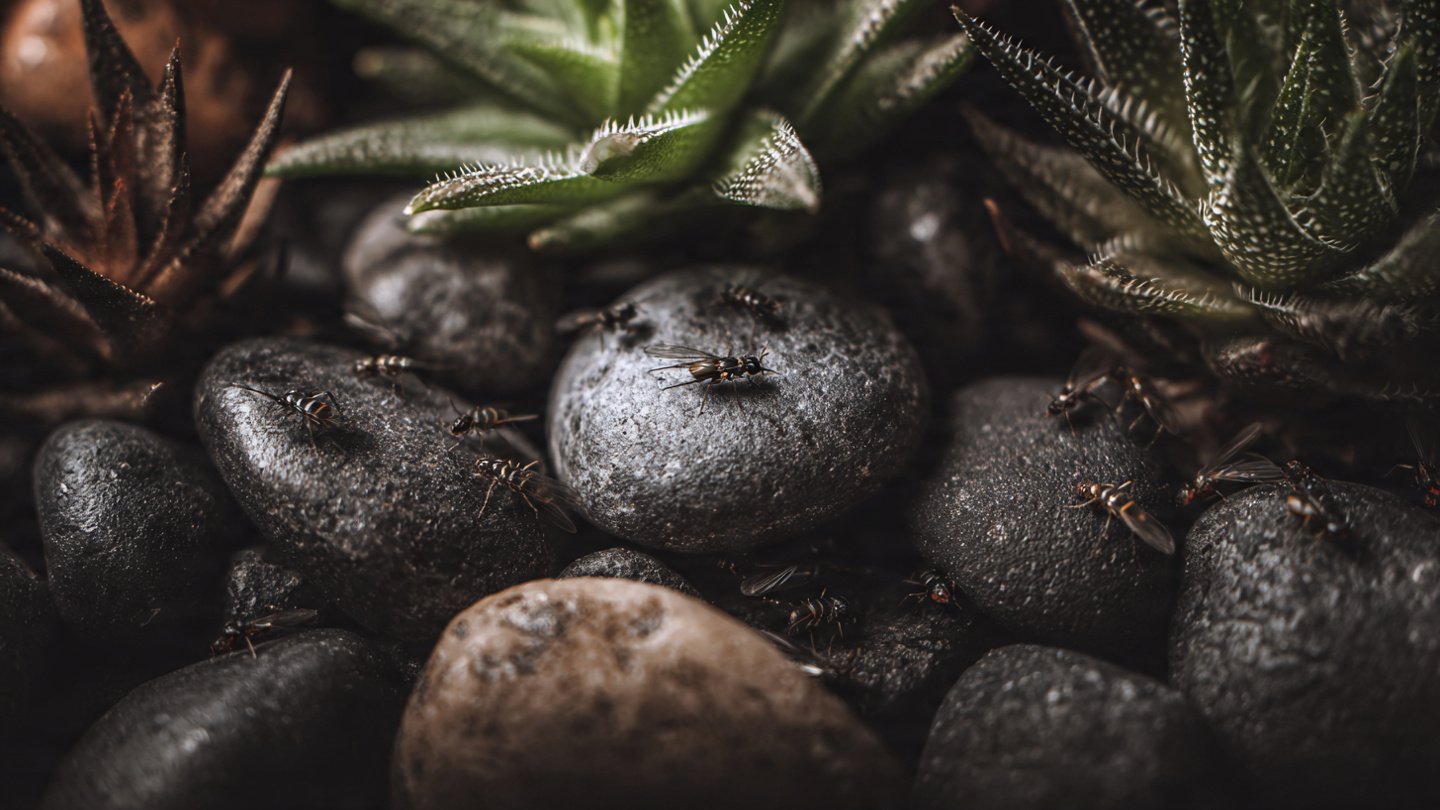
Fungus gnats are one of the most frustrating pests for indoor and container gardeners. These tiny black flies seem to appear out of nowhere, hovering around houseplants, crawling on soil surfaces, and sometimes even flying into your face. Many gardeners swear by a simple, attractive solution: topping plant soil with decorative stones. But does this method truly work, or is it just a gardening myth?
In this comprehensive guide, we’ll explore whether decorative stones can really stop fungus gnats from invading your plants, how effective they are, when they fail, and what you should combine them with for lasting control.
Understanding Fungus Gnats: Why They Love Your Plants
Before evaluating decorative stones, it’s important to understand what fungus gnats are and why they infest houseplants.
What Are Fungus Gnats?
Fungus gnats are small, dark, mosquito-like insects that thrive in moist environments. While adult gnats are mostly a nuisance, their larvae can damage plants by feeding on organic matter and delicate roots.
Why Fungus Gnats Appear
Fungus gnats are attracted to:
- Consistently moist soil
- Decaying organic matter
- Warm indoor temperatures
- Poor drainage
Overwatered plants are the number one cause of fungus gnat infestations. The soil becomes a perfect breeding ground where females lay eggs, and larvae hatch within days.
The Decorative Stone Solution Explained
Decorative stones—also called gravel, pebbles, or top dressing—are commonly used to improve the appearance of potted plants. Gardeners often apply a layer of stones on top of the soil, believing it blocks fungus gnats from laying eggs.
The Basic Idea
The logic behind decorative stones is simple:
- Fungus gnats lay eggs in moist soil
- Stones create a dry, physical barrier
- Gnats can’t easily reach the soil surface
In theory, this sounds effective. But reality is a bit more complex.
Do Decorative Stones Actually Stop Fungus Gnats?
The Short Answer
Decorative stones can help reduce fungus gnat problems, but they rarely eliminate them on their own.
How Stones Can Help
Decorative stones may work in the following ways:
1. Reducing Egg-Laying Access
A thick layer of stones (at least 1–2 cm deep) makes it harder for adult gnats to reach moist soil where they lay eggs.
2. Slowing Soil Moisture Evaporation (Good and Bad)
Stones can help regulate surface moisture, preventing the constantly damp soil surface gnats love. However, this can also trap moisture underneath if overwatering continues.
3. Disrupting the Gnat Life Cycle
By making conditions less favorable on the soil surface, stones may reduce the number of larvae that successfully hatch.
When Decorative Stones Fail
Despite their popularity, decorative stones are not a guaranteed solution.
Common Reasons Stones Don’t Work
1. Soil Is Still Too Wet
If the soil underneath remains constantly moist, fungus gnats will simply find their way through gaps between stones.
2. Stones Are Too Thin
A very thin layer offers little resistance. Gnats are small and persistent.
3. Existing Larvae Are Already in the Soil
Stones only affect egg-laying adults. They do nothing to kill larvae already feeding below the surface.
4. Poor Drainage Below the Surface
Without proper drainage holes and well-aerated soil, moisture builds up underneath the stones—creating a hidden gnat paradise.
Best Types of Decorative Stones for Gnat Control
Not all stones work equally well.
Recommended Options
- Small pebbles or aquarium gravel – tightly packed and effective
- Crushed granite – excellent drainage and minimal gaps
- Lava rock (fine grade) – lightweight and breathable
Stones to Avoid
- Large river rocks (too many gaps)
- Polished marbles (trap moisture)
- Heavy stones that compact soil
Always rinse stones before use to remove dust and debris.
How to Properly Use Decorative Stones Against Fungus Gnats
If you want to try this method, proper application is essential.
Step-by-Step Guide
- Let the Soil Dry Slightly
Do not add stones to soggy soil. Allow the top layer to dry out first. - Apply a Thick Layer
Use at least 1–2 cm of stones to create a true barrier. - Ensure Drainage
Make sure your pot has drainage holes and free-flowing soil underneath. - Monitor Moisture Levels
Check moisture deeper in the pot rather than relying on surface appearance.
Decorative Stones vs. Other Fungus Gnat Control Methods
To truly understand their value, let’s compare stones to other popular solutions.
Sticky Traps
- Catch adult gnats effectively
- Do not address larvae
- Best used alongside stones
Hydrogen Peroxide Soil Drench
- Kills larvae quickly
- Must be diluted correctly
- Temporary solution
Neem Oil
- Mildly effective
- Works better as a preventive method
Bottom Watering
- Starves larvae by drying soil surface
- One of the most effective long-term strategies
Decorative stones work best when combined with these methods, not used alone.
The Moisture Myth: Are Stones Making the Problem Worse?
One major concern with decorative stones is moisture retention.
The Hidden Risk
Stones can slow evaporation, keeping soil damp beneath the surface longer than expected. This can:
- Encourage root rot
- Create ideal larval conditions
- Mask overwatering problems
This is why stones should never be used to compensate for poor watering habits.
A Better Alternative: Sand or Grit?
Some gardeners find sand more effective than stones.
Why Sand Works Better
- Fills gaps completely
- Dries quickly
- Creates a compact barrier gnats can’t penetrate
Horticultural sand or coarse builder’s sand (washed and sterilized) is often more effective than decorative stones for gnat prevention.
Preventing Fungus Gnats Long-Term
Whether or not you use decorative stones, long-term prevention depends on good plant care.
Best Prevention Practices
- Water only when needed
- Use well-draining soil mixes
- Avoid organic debris buildup
- Quarantine new plants
- Repot heavily infested plants
Healthy soil equals fewer pests.
So, Can Decorative Stones Really Stop Fungus Gnats?
The Final Verdict
Decorative stones can help reduce fungus gnat activity, especially egg-laying on the soil surface. However, they are not a standalone solution and will not eliminate an infestation by themselves.
When used correctly—and combined with proper watering, drainage, and larva-targeting methods—decorative stones can be a useful part of a broader fungus gnat control strategy.
Think of decorative stones as a supporting player, not the hero. The real key to stopping fungus gnats lies in moisture control, soil health, and consistent plant care.