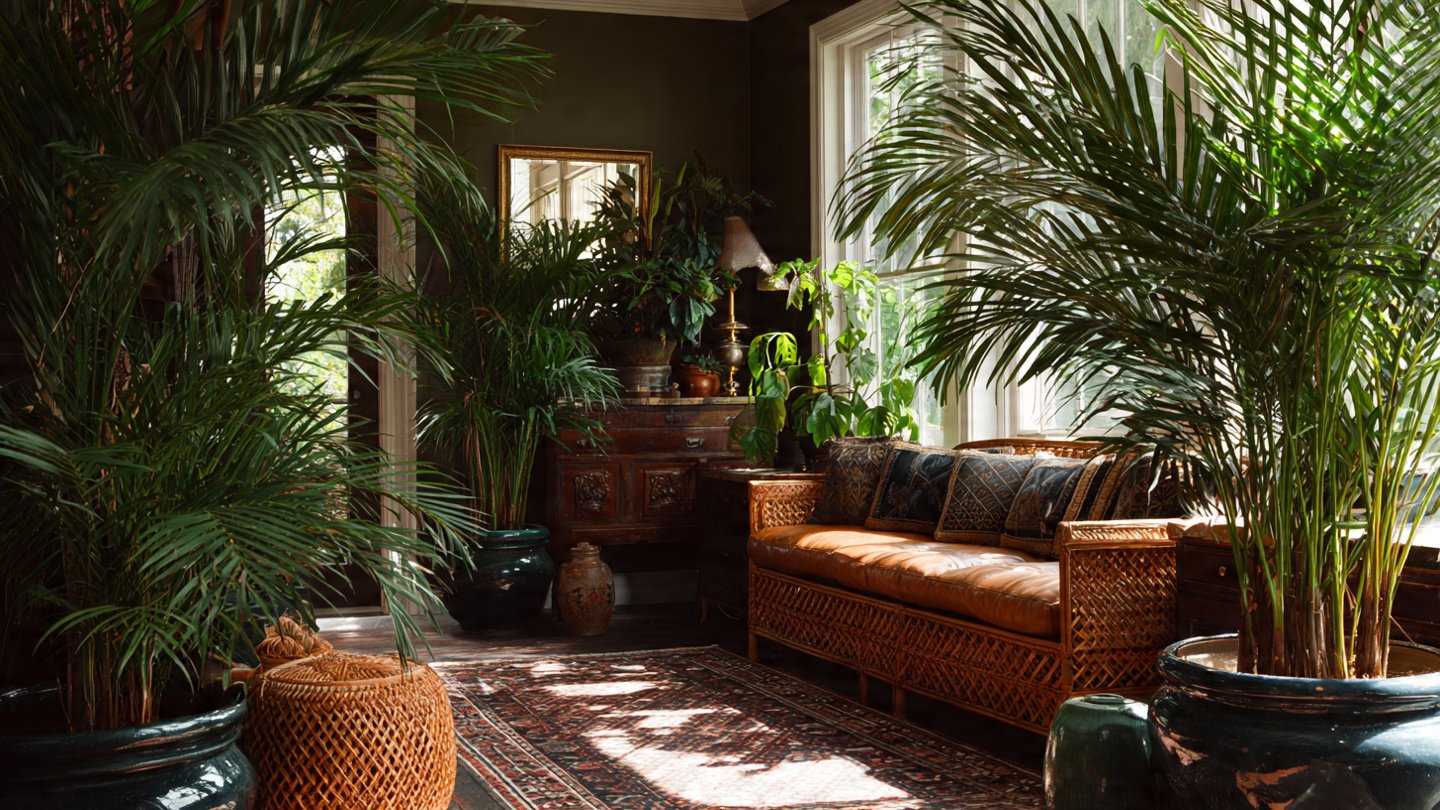
Nothing says tropical paradise quite like a palm plant. With their graceful fronds, lush green foliage, and natural elegance, palms can instantly transform a living space into a serene, tropical retreat. While often associated with outdoor gardens or sunny patios, many palm varieties thrive indoors, bringing luxury, greenery, and a sense of calm to your home.
But growing palms indoors isn’t just about putting a plant in a pot. To achieve a healthy, vibrant, and tropical look, you need to understand their unique care requirements. This comprehensive guide will give you the best tips for choosing, planting, and maintaining palm plants indoors, ensuring your living space feels like a lush tropical sanctuary.
Why Palm Plants Are Perfect for Indoors
Indoor palms offer several benefits beyond their striking appearance:
- Aesthetic appeal – Palm fronds create vertical interest and soft, elegant textures.
- Air purification – Many palm species help filter indoor air, removing toxins.
- Tropical vibe – Instantly adds a calm, exotic feel to living rooms, offices, or bedrooms.
- Low-stress décor – Palms require minimal maintenance compared to flowering houseplants.
- Versatility – Compact varieties suit small apartments, while tall species make bold statements in spacious rooms.
Whether you’re designing a cozy reading nook or a grand living area, palms bring life and style effortlessly.
Choosing the Right Palm Variety for Indoors
Not all palms are suitable for indoor growth. Some thrive in large outdoor spaces but struggle indoors. Here are some top indoor-friendly palm varieties:
1. Areca Palm (Dypsis lutescens)
- Medium-sized, feathery fronds
- Creates a soft, tropical screen
- Tolerates indirect light well
2. Parlor Palm (Chamaedorea elegans)
- Compact, slow-growing
- Excellent for small apartments
- Low-light tolerant
3. Kentia Palm (Howea forsteriana)
- Elegant, arching fronds
- Ideal for modern or minimalist interiors
- Very hardy, grows well in indirect light
4. Majesty Palm (Ravenea rivularis)
- Dramatic, long fronds
- Prefers bright, indirect light
- Needs higher humidity
5. Ponytail Palm (Beaucarnea recurvata)
- Unique bulbous trunk storing water
- Requires minimal watering
- Great for beginner indoor gardeners
Choosing the right species depends on your space, light conditions, and desired aesthetic.
Ideal Light Conditions for Indoor Palms
Light is the most crucial factor for a healthy indoor palm. While palms tolerate some shade, each variety has specific needs:
- Bright indirect light: Most indoor palms thrive here (Kentia, Areca)
- Partial shade: Parlor palms can handle lower light levels
- Avoid direct sunlight: Can scorch leaves, especially fronds with delicate edges
Tip: Rotate your palm every few weeks to ensure even growth and prevent leaning toward the light source.
Potting and Soil: Setting the Foundation
Indoor palms require well-draining soil to prevent root rot. Standard potting mixes are usually too dense.
Recommended Soil Mix
- 40% high-quality potting soil
- 30% peat moss or coco peat
- 20% perlite or coarse sand
- 10% compost for nutrients
Pot Selection
- Use pots with drainage holes
- Consider slightly wider pots for slow-growing species
- For tall palms, choose heavy pots to prevent tipping
Repotting is generally required every 2–3 years, or when roots start crowding the container.
Watering Tips for Lush Fronds
Palms have distinct watering needs, and both overwatering and underwatering can harm them.
- Consistent moisture: Keep soil slightly moist but not soggy
- Allow top 1–2 inches to dry: Between waterings for most species
- Reduce water in winter: Growth slows during cooler months
- Humidity: Many tropical palms appreciate occasional misting or a nearby humidifier
Signs of underwatering: Brown leaf tips, curling fronds.
Signs of overwatering: Yellowing fronds, mushy roots.
Fertilizing for Healthy Growth
Indoor palms are slow growers, but regular feeding keeps fronds vibrant and lush.
- Use a balanced palm fertilizer (e.g., 8-2-12 or 10-10-10 NPK ratio)
- Feed every 6–8 weeks during active growth (spring and summer)
- Reduce or stop feeding in winter
- Organic alternatives like compost tea or diluted fish emulsion work well
Avoid excessive nitrogen, which encourages leggy growth rather than lush fronds.
Maintaining Indoor Palms: Pruning and Cleaning
Pruning
- Remove brown, yellow, or damaged fronds at the base
- Avoid cutting green fronds—they are essential for photosynthesis
- For multi-stemmed palms, thin overcrowded stems to improve airflow
Cleaning
- Dust accumulation on fronds can reduce photosynthesis
- Wipe leaves gently with a damp cloth every 2–3 weeks
- For larger palms, use a gentle shower or hose outdoors
Regular maintenance ensures your palm looks vibrant and tropical year-round.
Humidity and Temperature: Mimicking Tropical Conditions
Most palms thrive in humid, warm conditions. Indoor environments, especially heated homes in winter, can be dry.
- Maintain indoor temperatures between 65–80°F
- Humidity should ideally be 50% or higher
- Place palms near pebble trays with water, group plants together, or use a humidifier
- Avoid cold drafts from windows or air conditioners
Tropical-like conditions promote new frond growth and prevent tip browning.
Common Indoor Palm Problems and Solutions
Even the hardiest palms can encounter problems indoors:
- Yellow fronds – Often caused by overwatering, nutrient deficiency, or low light.
Solution: Adjust watering and fertilize appropriately. - Brown leaf tips – Usually due to low humidity, inconsistent watering, or salts in tap water.
Solution: Trim tips, increase humidity, and use filtered water. - Pests – Spider mites, mealybugs, or scale insects.
Solution: Wipe fronds with soapy water or use horticultural oils. - Leggy growth – Lack of sufficient light.
Solution: Move palm closer to a bright spot and rotate regularly.
Regular observation prevents minor issues from becoming severe.
Styling Your Palm Indoors
Beyond health, palms are statement plants. They can be styled to complement your decor:
- Corners: Tall palms like Kentia or Majesty create natural focal points
- Tabletops or shelves: Smaller palms like Parlor or Ponytail add greenery without clutter
- Grouped arrangement: Combine palms with ferns or philodendrons for a tropical oasis
- Pot choice: Neutral tones, terracotta, or woven baskets enhance the tropical feel
Layering textures, heights, and leaf shapes adds dimension to your living space.
Benefits of Having Indoor Palms
Indoor palms do more than decorate—they also enhance wellbeing:
- Reduce stress and improve mood
- Increase indoor humidity, which benefits skin and respiratory health
- Purify the air by removing pollutants
- Encourage mindfulness and connection with nature
Their tropical beauty combined with health benefits makes them a win-win addition to any home.
Final Thoughts: Creating Your Indoor Tropical Paradise
Bringing the tropics home is easier than you think. With the right palm selection, light, soil, watering, and care routine, your indoor space can transform into a lush tropical sanctuary. From tall statement palms to smaller decorative varieties, these plants offer elegance, greenery, and wellness benefits year-round.
By embracing indoor palms, you not only enhance your interior aesthetics but also create a calming, natural environment that evokes sunny, serene tropical vibes no matter the season. With patience, observation, and a little care, your indoor palms will flourish, bringing a slice of paradise right into your living space.