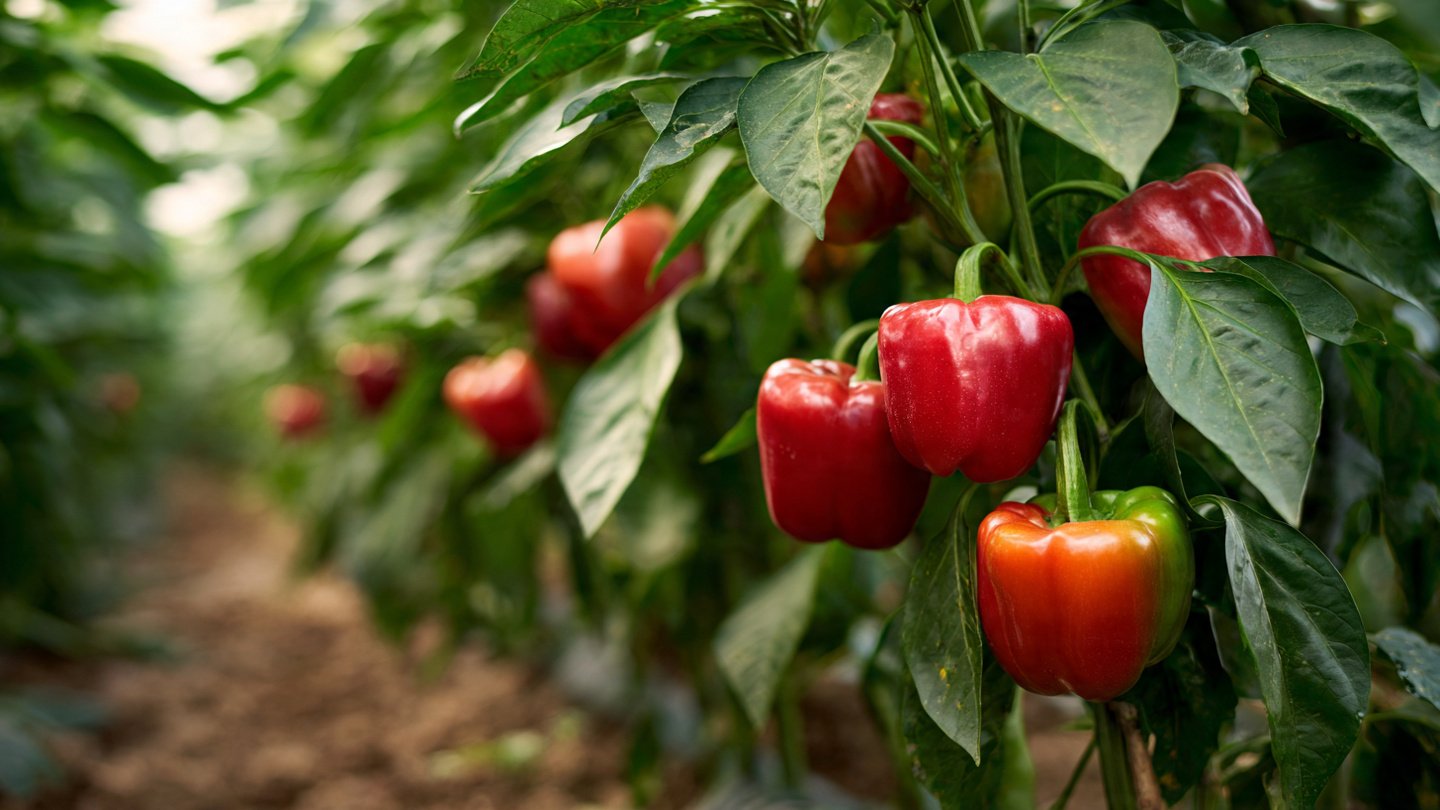
Peppers are one of the most rewarding vegetables to grow at home. From mild bell peppers to fiery chili varieties, these plants can produce vibrant, flavorful fruits that elevate your cooking. Yet, many gardeners struggle with low yields or plants that produce only a handful of peppers. The good news is that with a few simple techniques, you can significantly increase your pepper harvest and transform your plants into heavy producers. In this guide, we’ll explore the ultimate tips and strategies to maximize your pepper yield naturally and effectively.
Why Pepper Plants Sometimes Underperform
Before diving into the solution, it’s important to understand why pepper plants sometimes fail to produce abundant fruit.
Common Issues
- Poor pollination: Peppers rely on flowers being pollinated to set fruit. Inconsistent pollination leads to fewer peppers.
- Nutrient imbalances: Too much nitrogen encourages leafy growth but reduces fruit production, while deficiencies in potassium and phosphorus can hinder flowering and fruiting.
- Improper watering: Overwatering or underwatering stresses the plant, reducing flower and fruit formation.
- Inadequate sunlight: Peppers require at least 6–8 hours of sunlight per day for optimal fruiting.
- Stress factors: Extreme temperatures, pests, or diseases can limit the plant’s energy for producing fruit.
Understanding these issues is the first step toward transforming your pepper plants into prolific producers.
The Ultimate Tip for Heavy Pepper Production: Flower and Fruit Management
While many gardeners focus on watering or fertilizing, the ultimate tip for boosting pepper harvests lies in flower and fruit management—strategically pruning, pinching, and managing early fruits to redirect the plant’s energy toward producing more peppers.
How It Works
Peppers are energy-intensive plants. When a plant produces flowers or small fruits, it diverts nutrients and energy toward them. By managing early growth and selectively removing certain flowers or young fruits, you allow the plant to develop a stronger root system and larger leaves, which ultimately supports more abundant and healthier fruit production later.
This method might seem counterintuitive—removing flowers to get more fruit—but it’s a proven technique used by both commercial growers and home gardeners worldwide.
Step 1: Select Healthy Plants
A productive pepper plant starts with a strong foundation.
Planting Guidelines
- Choose healthy seedlings with robust stems and vibrant green leaves.
- Use disease-free, well-draining soil enriched with compost or organic matter.
- Space plants 18–24 inches apart to allow air circulation and reduce disease risk.
Healthy plants are naturally more productive, so investing time in selecting and nurturing them from the beginning pays off.
Step 2: Provide Adequate Sunlight
Peppers thrive in warm, sunny conditions.
- Ensure your plants receive at least 6–8 hours of direct sunlight daily.
- If growing indoors or on a balcony, consider using a grow light to supplement natural sunlight.
- Proper sunlight ensures vigorous leaf and flower growth, which directly impacts fruiting potential.
Sunlight is energy for your pepper plants—more light equals more energy to produce flowers and fruit.
Step 3: Manage Early Flowers
This is the heart of the ultimate tip for boosting harvests.
Pinching Off Early Flowers
- Wait until your plant has developed 3–5 sets of true leaves.
- Pinch off any flowers that appear during the early growth stage.
- Focus on strengthening the root system and foliage first.
Why This Works
- Early flowers, if left to mature into fruit, can weaken young plants, resulting in fewer flowers and smaller yields later.
- By temporarily removing these flowers, the plant redirects energy toward root development and leaf growth, which are essential for supporting a higher number of fruits in the long run.
This simple step often leads to heavier harvests and larger, healthier peppers later in the season.
Step 4: Fertilize Strategically
While peppers need nutrients, the type and timing of fertilization are critical.
Fertilization Guidelines
- During early growth: Use a balanced fertilizer (like 10-10-10) to encourage strong roots and foliage.
- During flowering and fruiting: Switch to a fertilizer higher in phosphorus and potassium to support flower formation and fruit development.
- Avoid excessive nitrogen during flowering, as it encourages leaf growth at the expense of flowers.
Natural Fertilizer Options
- Compost tea: Provides nutrients and beneficial microbes.
- Banana peel or fish emulsion: Rich in potassium, promoting flowering and fruiting.
- Eggshell powder: Supplies calcium, preventing blossom end rot in peppers.
Strategic fertilization ensures your plant has the nutrients needed for maximum fruit production without wasting energy on excessive foliage.
Step 5: Optimize Watering
Consistent watering is essential for healthy pepper production.
- Keep the soil evenly moist, but not soggy.
- Water deeply once or twice a week, depending on weather and container size.
- Mulch around the base of plants to retain moisture and regulate soil temperature.
Proper watering reduces plant stress and ensures that energy is directed toward flowers and fruit instead of survival.
Step 6: Support and Prune
Caring for the structure of your pepper plant can significantly impact yield.
Staking and Support
- Use stakes, cages, or trellises to support taller pepper plants.
- This prevents stems from bending under the weight of heavy fruit, ensuring continuous growth.
Pruning
- Remove dead, damaged, or overcrowded branches to improve airflow and sunlight penetration.
- Focus on pruning secondary shoots that don’t produce flowers, allowing the plant to concentrate energy on productive branches.
Proper support and pruning reduce stress, enhance air circulation, and encourage more abundant fruit production.
Step 7: Encourage Pollination
Even the healthiest pepper plants need effective pollination to produce fruit.
- Outdoors, bees and other insects usually handle pollination naturally.
- For balcony or indoor plants, hand-pollinate using a small brush or electric toothbrush, gently transferring pollen from male to female flowers.
- Some pepper varieties have both male and female flowers in one bloom, but hand-pollination can boost fruit set, especially in low-traffic areas.
Enhanced pollination increases the number of fruits per plant, directly contributing to heavier harvests.
Step 8: Harvest Regularly
Frequent harvesting keeps your pepper plants productive.
- Pick peppers when they reach the desired size and color.
- Regular harvesting signals the plant to produce more flowers and fruits.
- Avoid leaving overripe peppers on the plant, as they can slow down new fruit production.
By harvesting consistently, you extend the productive life of your plant and maximize total yield.
Step 9: Seasonal Maintenance
Maintaining your pepper plants throughout the season ensures long-term productivity.
- Remove yellowing or diseased leaves promptly.
- Rotate container placement to optimize sunlight exposure if grown in pots.
- Mulch and fertilize every 2–3 weeks with organic solutions for sustained growth.
Healthy, stress-free plants consistently produce heavier yields throughout the growing season.
Bonus Tip: Companion Planting
Companion planting can naturally enhance pepper yields.
- Basil: Repels pests and improves flavor.
- Marigolds: Deter nematodes and other insects.
- Onions or garlic: Protect against aphids and mites.
Using companion plants around your peppers reduces pest damage, improves pollination, and supports heavier, healthier harvests naturally.
Common Mistakes to Avoid
- Neglecting early flower management: Leaving early flowers can stunt growth.
- Overfertilizing with nitrogen: Promotes leaves instead of fruit.
- Inconsistent watering: Leads to blossom drop and small fruits.
- Ignoring pollination: Can reduce fruit set significantly, especially in indoor gardens.
- Overcrowding: Plants too close together compete for sunlight and nutrients.
Avoiding these mistakes allows your pepper plants to reach their full productive potential.
Conclusion
Transforming your pepper plants into heavy producers doesn’t require fancy equipment or chemicals—just knowledge and careful management. By understanding the growth cycle of peppers and focusing on flower and fruit management, combined with proper sunlight, watering, fertilization, support, and pollination, you can significantly boost your harvest.
The key is patience and strategic care: pinch early flowers, nurture strong roots and leaves, and support productive branches. This approach channels the plant’s energy efficiently, resulting in more flowers, healthier fruits, and a bountiful harvest.
Whether you’re growing bell peppers, jalapeños, or specialty chili varieties, these simple techniques will help your plants reach their maximum potential. Start implementing these strategies today, and watch your pepper plants flourish, producing more vibrant, flavorful fruits than ever before.
With consistent care, attention to detail, and a little love, your pepper plants can become true heavy producers, transforming your garden or balcony into a source of fresh, homegrown peppers season after season.