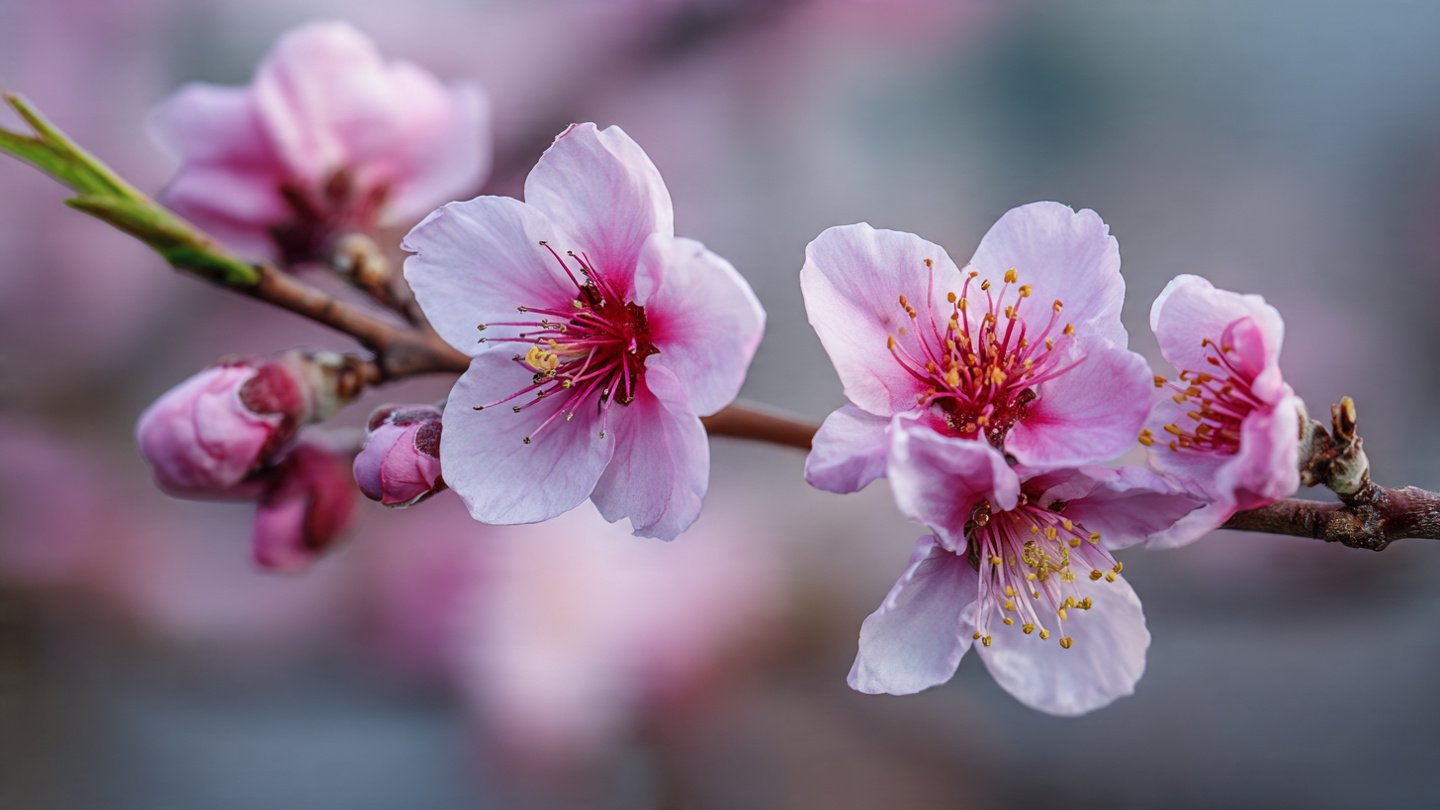
Nectarine trees are prized for their sweet, juicy fruit and beautiful spring blossoms. However, those delicate blossoms are also the most vulnerable part of the tree. Late winter and early spring cold snaps can damage or destroy flowers, drastically reducing fruit yield for the entire season. Understanding how cold affects nectarine blossoms—and learning proven protection techniques—can make the difference between a disappointing harvest and a tree full of fruit.
This comprehensive guide explains why nectarine blossoms are sensitive to cold and outlines the best techniques for safeguarding them during chilly weather conditions.
Why Nectarine Blossoms Are Vulnerable to Cold
Nectarine trees bloom early compared to many other fruit trees. Once dormancy breaks, flower buds and blossoms lose much of their cold hardiness. Even brief exposure to freezing temperatures can damage flower tissue, interfere with pollination, or kill the blossoms outright.
Typical temperature thresholds:
- Dormant buds: Can tolerate temperatures well below freezing
- Swollen buds: Damaged around –4°C to –2°C (25–28°F)
- Open blossoms: Can be injured at –2°C to 0°C (28–32°F)
Because weather in early spring is unpredictable, gardeners must be prepared to protect blossoms when sudden cold arrives.
1. Choose the Right Planting Location
Prevention starts long before cold weather hits.
Select a Warm Microclimate
Plant nectarine trees in areas that naturally retain warmth:
- South- or southwest-facing slopes
- Near walls, fences, or buildings that absorb and radiate heat
- Areas protected from cold winds
Avoid low-lying spots where cold air settles, as frost pockets are especially dangerous for blossoms.
Improve Air Drainage
Cold air flows downhill like water. Planting trees where air can move freely away from them reduces frost risk significantly.
2. Monitor Weather Forecasts Closely
One of the most effective protection tools is awareness.
- Track nighttime low temperatures during bloom season
- Pay special attention to frost warnings and sudden temperature drops
- Use a garden thermometer near blossom height for accuracy
Knowing when cold weather is coming allows you to act early rather than scrambling at the last minute.
3. Use Frost Covers and Protective Fabrics
Lightweight Row Covers
Frost cloths, garden fleece, or breathable fabric covers are highly effective at trapping heat.
How to use them properly:
- Cover trees before sunset to retain daytime warmth
- Ensure fabric reaches the ground to trap heat from the soil
- Secure edges with stones or stakes to prevent heat loss
- Remove covers during the day to allow pollination and airflow
Avoid plastic directly touching blossoms, as it can cause freeze damage if temperatures drop sharply.
4. Apply Water for Frost Protection (Sprinkler Method)
Water can protect blossoms by releasing heat as it freezes.
Overhead Sprinkling
- Begin spraying before temperatures fall below freezing
- Continue until temperatures rise above 0°C (32°F)
- Ice formation releases latent heat, keeping blossoms at a safer temperature
This method is effective but requires:
- Continuous water supply
- Proper timing
- Adequate drainage to prevent ice buildup damage
It’s best suited for experienced growers or small orchard setups.
5. Use Mulch to Retain Soil Heat
Mulching helps regulate soil temperature and release stored warmth overnight.
Best Mulching Practices
- Apply organic mulch (straw, wood chips, compost) around the tree base
- Keep mulch a few inches away from the trunk to prevent rot
- Moist soil holds heat better, so water the soil during the day before a cold night
While mulch won’t protect blossoms directly, it contributes to overall temperature stability.
6. Install Windbreaks to Reduce Cold Stress
Cold winds intensify frost damage by stripping heat away from blossoms.
Effective Windbreak Options
- Temporary fabric screens
- Garden fencing with burlap
- Hedges or shrubs planted strategically
Reducing wind exposure helps blossoms maintain slightly warmer temperatures during cold nights.
7. Delay Bloom with Proper Pruning and Care
Later-blooming trees are less likely to face frost damage.
Pruning Tips
- Delay pruning until late winter rather than early winter
- Avoid heavy pruning that stimulates early growth
- Maintain balanced fertilization—excess nitrogen can encourage premature blooming
Healthy, well-managed trees are better able to tolerate temperature stress.
8. Use Heat Sources for Severe Cold Events
For extreme conditions, supplemental heat can save blossoms.
Heat Options
- Incandescent bulbs or outdoor-rated heat lamps
- Candles or orchard heaters (used cautiously)
- Solar-powered garden lights placed under the canopy
Position heat sources safely and evenly. Even a small increase in temperature can prevent blossom loss during marginal freezes.
9. Encourage Tree Health Year-Round
Strong trees produce more resilient blossoms.
Key Health Practices
- Regular watering, especially during dry periods
- Balanced fertilization based on soil tests
- Proper pest and disease management
- Annual pruning to maintain airflow and light penetration
Healthy trees recover more quickly from minor cold damage and set better fruit overall.
10. Choose Cold-Tolerant Nectarine Varieties
Some nectarine cultivars are naturally more resistant to cold damage.
When possible:
- Select varieties bred for your climate zone
- Look for later-blooming cultivars
- Ask local nurseries for region-specific recommendations
The right variety can dramatically reduce frost-related losses.
Signs of Cold Damage on Nectarine Blossoms
After a frost event, inspect blossoms for damage:
- Browning or blackened centers
- Wilted petals
- Blossoms dropping prematurely
Cutting open flowers can reveal darkened ovaries, indicating the blossom will not produce fruit.
What to Do After Cold Damage Occurs
Even if some blossoms are lost:
- Avoid excessive fertilization to “force” recovery
- Maintain regular care and watering
- Thin damaged blossoms only after you can clearly see which ones survived
Often, trees still produce a partial harvest even after mild frost damage.
Final Thoughts
Protecting nectarine blossoms from cold weather requires a combination of preparation, vigilance, and timely action. From choosing the right planting location and monitoring forecasts to using frost covers, water, mulch, and windbreaks, each technique contributes to safeguarding your blossoms during vulnerable periods.
By applying these proven strategies, gardeners can dramatically reduce frost damage, protect delicate blooms, and enjoy healthier trees with higher fruit yields. With thoughtful planning and a little effort, cold weather doesn’t have to stand between you and a successful nectarine harvest.