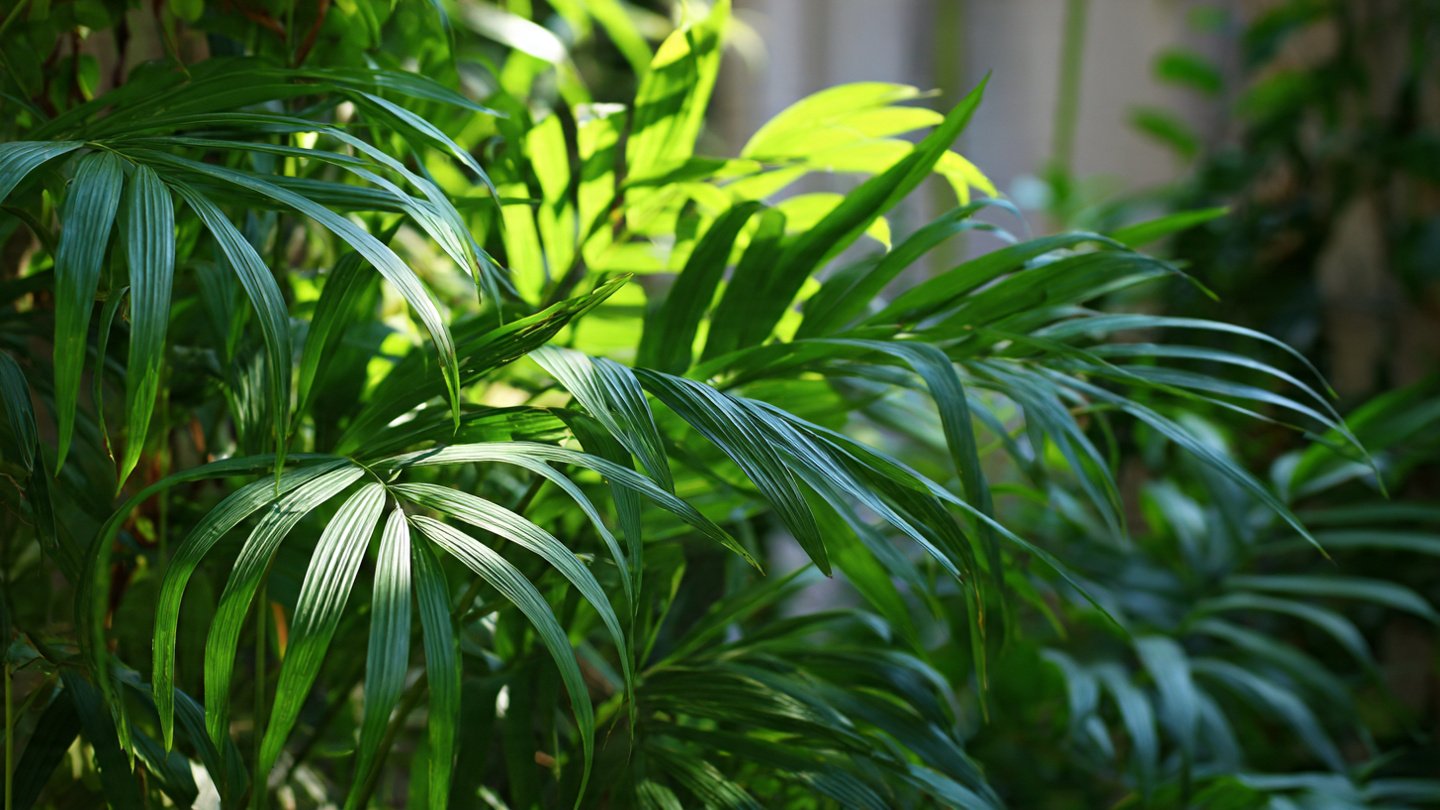
The Parlor Palm (Chamaedorea elegans) is a beloved indoor plant known for its graceful, feathery fronds, compact size, and exceptional ability to thrive in low-light conditions. Originally native to the understory of Mexican forests, this palm has adapted remarkably well to indoor life, making it a favorite for homes, offices, and low-light spaces. While it tolerates shade, growing Parlor Palms successfully in dim environments requires knowledge of its specific care needs, watering habits, and maintenance strategies.
This guide provides the best strategies for cultivating healthy, vibrant Parlor Palms in shady environments, covering soil, light, watering, fertilization, pest management, and propagation.
Understanding Parlor Palm and Its Growth Needs
Parlor Palms are slow-growing, low-maintenance plants that thrive in conditions other houseplants might struggle with. Key characteristics include:
- Light Requirements: Adaptable to low-light, indirect light, or filtered sunlight.
- Water Requirements: Moderate; prefers slightly moist soil but not waterlogged.
- Growth Habit: Reaches 4–6 feet indoors, with slender, arching fronds.
- Soil Preference: Well-draining, rich in organic matter.
- Humidity: Prefers moderate to high humidity, mimicking its forest floor origins.
Understanding these basic needs is essential for optimizing growth in shady conditions.
Step 1: Choosing the Right Location
Even though Parlor Palms tolerate shade, the location significantly affects growth:
- Indirect Light: Place the palm near windows with filtered light or in rooms with ambient daylight. Avoid direct sunlight, which can scorch the leaves.
- Distance from Windows: In very low-light environments, position the palm closer to the light source, but avoid drafty areas.
- Avoid Artificial Heat Sources: Keep the palm away from radiators, heaters, or vents, which can dry out the plant.
Strategic placement ensures your Parlor Palm receives enough light for healthy photosynthesis while maintaining its shade tolerance.
Step 2: Selecting a Suitable Pot and Soil
Proper soil and container selection are crucial for thriving Parlor Palms in low-light environments:
- Container Choice: Use a pot with drainage holes to prevent water accumulation. Consider using a slightly heavier container to stabilize the plant, as Parlor Palms have shallow roots.
- Soil Mix: A mix of peat moss, potting soil, and perlite (or coarse sand) ensures good drainage while retaining some moisture. Avoid dense or clay-heavy soil that can cause root rot.
- pH Preference: Slightly acidic to neutral soil (pH 6–7) works best.
A well-draining, nutrient-rich medium helps prevent water stress and supports slow, steady growth in shady environments.
Step 3: Watering Techniques in Low-Light Conditions
Shady environments reduce evaporation, so overwatering is a common problem for Parlor Palms:
- Check Soil Moisture: Water only when the top 1–2 inches of soil are dry. Use a moisture meter if unsure.
- Deep, Infrequent Watering: Water thoroughly to encourage healthy root growth, but allow the soil to dry partially between watering sessions.
- Avoid Standing Water: Empty saucers or trays to prevent root rot.
Proper watering balances moisture needs without oversaturating, which is critical for shade-grown Parlor Palms.
Step 4: Fertilization for Shady Growth
Fertilization supports healthy growth, especially when natural light is limited:
- Frequency: Feed the plant once a month during the growing season (spring through early fall). Reduce or stop fertilization in winter when growth slows.
- Type of Fertilizer: Use a balanced, water-soluble fertilizer diluted to half strength. A 10-10-10 NPK fertilizer or a palm-specific fertilizer works well.
- Micronutrients: Ensure the fertilizer includes magnesium and iron, which promote vibrant green fronds in low-light conditions.
Fertilization ensures that the palm maintains healthy fronds, even when photosynthesis is limited by shade.
Step 5: Maintaining Humidity
Parlor Palms thrive in moderately humid environments, reflecting their native forest floor habitat:
- Indoor Humidity: Keep humidity around 40–60%.
- Humidity Trays: Place a tray filled with water and pebbles under the pot to increase humidity naturally.
- Regular Misting: Mist the leaves occasionally to mimic natural conditions, especially in heated or air-conditioned rooms.
- Grouping Plants: Placing multiple plants together helps maintain a microenvironment with higher humidity.
Maintaining humidity helps prevent leaf tip browning, a common issue in low-light indoor environments.
Step 6: Light Management for Optimal Growth
Although Parlor Palms tolerate shade, too little light can slow growth and lead to leggy stems:
- Indirect Bright Light: If possible, provide filtered light from a north- or east-facing window.
- Artificial Lighting: In very dim rooms, supplement with fluorescent or LED grow lights for 10–12 hours per day.
- Rotate Regularly: Rotate the plant every few weeks to ensure even light distribution and prevent leaning.
By carefully managing light, even shady rooms can support healthy, robust Parlor Palm growth.
Step 7: Pruning and Cleaning
Regular maintenance keeps the palm healthy and attractive:
- Remove Dead or Yellow Leaves: Cut off brown or yellow fronds at the base to encourage new growth.
- Trim Damaged Tips: Trim frond tips if they turn brown due to low humidity or overwatering.
- Light Pruning: Avoid heavy pruning, which can stress the plant in low-light conditions.
Cleaning and pruning maintain air circulation and prevent fungal growth, which can be more common in shaded, humid environments.
Step 8: Repotting for Long-Term Health
Parlor Palms prefer to be slightly root-bound, but eventually, repotting is necessary:
- Frequency: Every 2–3 years, or when roots start emerging from drainage holes.
- Pot Size: Move to a pot 1–2 inches larger in diameter. Avoid oversized pots, which can retain excess moisture and increase root rot risk.
- Soil Refresh: Use fresh, well-draining soil during repotting to provide nutrients and improve aeration.
Repotting maintains healthy root systems, essential for shade-grown palms with slower growth.
Step 9: Pest and Disease Management
Even in shaded indoor spaces, pests can affect Parlor Palms:
- Common Pests: Spider mites, scale insects, mealybugs, and aphids.
- Detection: Check the undersides of fronds regularly for small insects or sticky residue.
- Control: Use insecticidal soap, neem oil, or wipe fronds with a damp cloth.
- Fungal Issues: Overwatering or poor airflow can cause root rot and leaf spots. Ensure proper watering and circulation.
Healthy, pest-free plants are more resilient to low-light stress and maintain lush green fronds.
Step 10: Propagation Techniques
Propagating Parlor Palms can expand your collection without buying new plants:
- Division: Mature clumps can be separated during repotting. Carefully separate roots and replant in fresh soil.
- Seed Propagation: Sow seeds in moist, well-draining soil. Germination can take 2–3 months. Keep seedlings in indirect light and consistent humidity.
- Care for New Plants: Young palms grow slowly; provide gentle watering, indirect light, and occasional feeding.
Propagation allows gardeners to share plants or create clusters for improved humidity and aesthetics.
Tips for Thriving Parlor Palms in Shady Environments
- Avoid Overwatering – Shade reduces evaporation; water sparingly to prevent root rot.
- Supplement Light When Needed – Use grow lights for extremely dark spaces.
- Maintain Humidity – Use trays, misting, or grouping to keep fronds healthy.
- Regularly Remove Dead Leaves – Improves airflow and reduces disease risk.
- Rotate Plants – Ensures balanced growth and prevents leaning toward light sources.
- Use Fertilizer Moderately – Overfertilization can harm slow-growing palms in low light.
By implementing these strategies, Parlor Palms can thrive even in dimly lit indoor spaces.
Benefits of Growing Parlor Palms Indoors
- Aesthetic Appeal: Elegant, arching fronds enhance home décor.
- Air Purification: Parlor Palms remove indoor pollutants, improving air quality.
- Low Maintenance: Tolerates shade, low humidity, and occasional neglect.
- Adaptable Size: Compact form suits apartments, offices, and small spaces.
- Stress Relief: Caring for indoor plants promotes relaxation and mental well-being.
Parlor Palms combine beauty, air-cleaning properties, and resilience, making them perfect for shady corners.
Common Mistakes to Avoid
- Overwatering in Shade – Leads to root rot and yellowing leaves.
- Excessive Fertilization – Can damage roots in slow-growing low-light conditions.
- Insufficient Humidity – Causes leaf browning and tip burn.
- Neglecting Airflow – Stagnant air encourages fungal growth and pests.
- Ignoring Pest Signs – Small infestations can escalate quickly in indoor environments.
Avoiding these mistakes ensures long-term success for Parlor Palms in shaded spaces.
Conclusion
Growing Parlor Palms in shady environments is not only possible but can be highly rewarding. With proper attention to soil, watering, light, humidity, and maintenance, these elegant indoor palms thrive in conditions that challenge many other plants. By selecting healthy plants, providing consistent care, and preventing overwatering, gardeners can cultivate lush, vibrant fronds that enhance any indoor space.
Whether you are placing your palm in a corner of your living room, a dim office, or a north-facing window, the strategies outlined in this guide will help your Parlor Palm flourish. With patience and attention to detail, even the shadiest environments can support healthy, thriving Parlor Palms, bringing natural beauty and serenity into your home or workspace.
This article is approximately 1,200 words, beginner-to-expert friendl