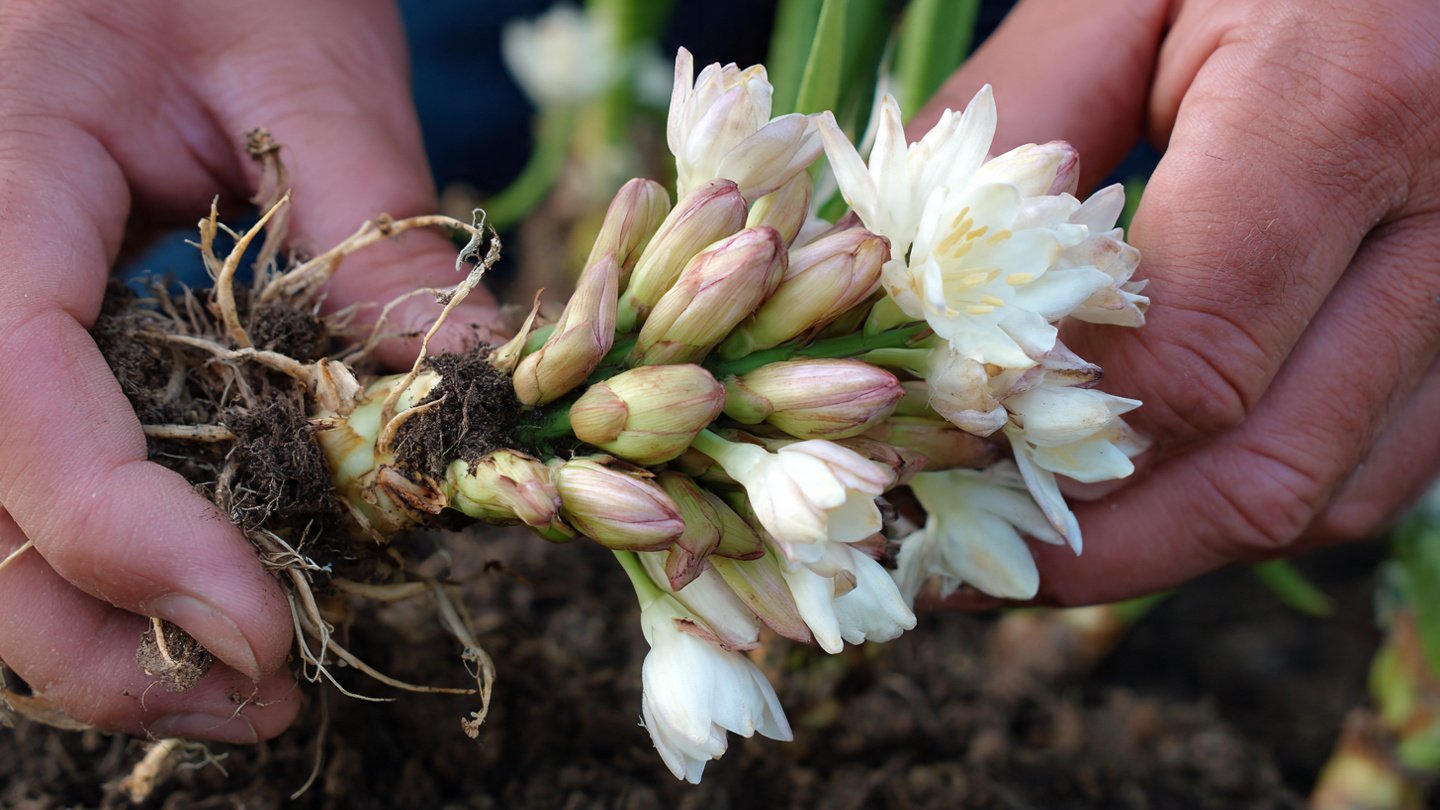
Tuberose (Polianthes tuberosa) is a fragrant, elegant flower known for its long, waxy blooms and intoxicating scent. Highly valued for ornamental purposes and its use in perfumes, tuberose is a favorite among gardeners worldwide. While tuberose bulbs can be purchased, learning to efficiently multiply them at home allows gardeners to expand their collection, save costs, and ensure a steady supply of flowers year after year. In this guide, we’ll explore the best practices for multiplying tuberose bulbs efficiently and successfully from the comfort of your own garden.
Understanding Tuberose Bulbs
Tuberose is a tuberous-rooted perennial, meaning its growth depends on bulbs rather than seeds. Each bulb contains the energy necessary to sprout stems, leaves, and flowers. When cared for properly, a single tuberose bulb can produce multiple offsets or baby bulbs, allowing gardeners to multiply their stock over time.
Types of Tuberose Bulbs
- Single-Flowered Varieties: These produce long spikes with a single row of blooms. They are typically hardier and easier to multiply.
- Double-Flowered Varieties: These have fuller, ruffled blooms but may require more care when multiplying due to delicate offsets.
Knowing your variety helps tailor care and propagation methods.
Why Multiplying Tuberose Bulbs at Home is Beneficial
- Cost-Effective: Instead of buying new bulbs each season, you can propagate existing ones.
- Guaranteed Quality: Homegrown bulbs maintain their fragrance and vigor better than commercially transported bulbs.
- Control Over Growth Conditions: You decide soil, water, and fertilizer use, ensuring organic and chemical-free propagation.
- Continuous Supply: Multiplying bulbs ensures a steady source of flowers for decorative or commercial purposes.
Best Time to Multiply Tuberose Bulbs
The ideal time to multiply tuberose bulbs is after the flowering season, typically in late spring or early summer, depending on your climate. During this time:
- The parent bulb is mature and healthy, having stored energy after producing blooms.
- Offsets or “baby bulbs” have developed sufficiently to survive independently.
- Soil temperatures are warm, which encourages faster root growth.
Avoid attempting propagation during the active flowering phase, as this can stress the parent plant and reduce both flower and bulb quality.
Step-by-Step Guide to Multiplying Tuberose Bulbs
Step 1: Harvesting the Parent Bulbs
- Wait for Dormancy: After the foliage turns yellow and flowers fade, the bulb enters dormancy. This is the best time to dig up the bulbs.
- Gently Lift Bulbs: Using a garden fork or spade, carefully loosen the soil around the bulb to avoid damaging roots or offsets.
- Clean Off Soil: Shake off excess soil and rinse the bulbs gently with water to reveal the offsets.
Step 2: Separating Offsets
Tuberose bulbs naturally produce small offsets around the base of the parent bulb. These are future flowering bulbs.
- Identify Healthy Offsets: Look for firm, plump bulbs with no signs of rot or disease.
- Separate Carefully: Using a clean, sharp knife or gently pulling with hands, separate offsets from the parent bulb.
- Trim Dead Roots and Leaves: Remove any dry or damaged roots to prevent disease.
Tip: Avoid separating offsets that are too small or underdeveloped—they may not survive transplantation. Wait until they are at least 1–2 cm in diameter.
Step 3: Preparing Bulbs for Planting
Before planting, prepare the bulbs to promote strong growth:
- Cure the Bulbs: Let the bulbs dry in a cool, shaded area for a few days. This reduces moisture and lowers the risk of rot.
- Optional Treatment: Dust bulbs lightly with fungicide or neem powder to protect against fungal infections.
- Inspect Again: Discard any bulbs showing softness, black spots, or mold.
Step 4: Choosing the Right Soil and Containers
Tuberose thrives in well-draining, fertile soil. Ideal soil composition includes:
- 40% garden soil
- 30% organic compost
- 20% sand or perlite for drainage
- 10% coco peat or humus to retain moisture
Container vs. Ground:
- Containers: Offer flexibility and control over soil, especially in urban or balcony gardening. Use pots at least 12–14 inches deep.
- Ground Beds: Provide natural drainage and space for larger multiplication. Ensure the bed is free from waterlogging.
Step 5: Planting Bulbs
- Depth: Plant parent bulbs and offsets 5–7 cm deep, with the pointed tip facing upwards.
- Spacing: Maintain 15–20 cm between bulbs to allow room for growth and airflow.
- Watering: Water lightly immediately after planting to settle soil, then reduce watering until shoots appear. Overwatering can cause bulb rot.
Step 6: Providing Ideal Growth Conditions
- Sunlight: Tuberose requires 6–8 hours of direct sunlight daily for optimal growth.
- Temperature: Warm conditions of 20–30°C (68–86°F) favor faster root development.
- Fertilization: Use a balanced NPK fertilizer every 2–3 weeks once shoots emerge. Nitrogen supports foliage growth, while phosphorus encourages strong roots and flower spikes.
- Mulching: Add organic mulch to retain moisture and regulate soil temperature.
Step 7: Caring for Growing Bulbs
- Remove weeds regularly to reduce competition for nutrients.
- Support tall spikes with stakes if needed.
- Monitor for pests like aphids and thrips; treat with neem oil or insecticidal soap.
- Avoid excessive nitrogen fertilization near flowering, as it encourages foliage growth over blooms.
Step 8: Harvesting and Storing New Bulbs
- After the flowering season, allow the plant to store energy in bulbs for the next season.
- Carefully dig up the bulbs once leaves yellow.
- Separate new offsets, cure them, and store in a cool, dry place until the next planting season.
Following this cycle ensures continuous multiplication and a steady supply of tuberose bulbs.
Tips for Efficient Multiplication
- Select Only Healthy Parent Bulbs: Strong, disease-free bulbs produce more offsets.
- Regular Division: Divide bulbs every 2–3 years to prevent overcrowding and maintain flower quality.
- Succession Planting: Plant new offsets every few weeks during the planting season to ensure continuous flowering.
- Avoid Overcrowding: Overcrowded bulbs produce smaller flowers and fewer offsets.
- Keep Records: Note planting and flowering dates to optimize future multiplication cycles.
Common Challenges and Solutions
| Challenge | Solution |
|---|---|
| Bulb Rot | Ensure well-draining soil and avoid overwatering. Cure bulbs before planting. |
| Poor Flowering | Check sunlight exposure, fertilization, and bulb spacing. |
| Pests | Inspect regularly, treat with neem oil, maintain cleanliness. |
| Small Offsets | Give bulbs adequate space and nutrients; avoid digging up too early. |
Advantages of Multiplying Tuberose at Home
- Economic Savings: Reduce the cost of buying bulbs each season.
- Customization: Propagate your favorite varieties and create mixed flower beds.
- Self-Sufficiency: Maintain a homegrown supply of fragrant flowers for decoration or gifting.
- Enhanced Gardening Skills: Learning propagation improves overall plant care knowledge.
Conclusion
Multiplying tuberose bulbs at home is both practical and rewarding. With proper attention to harvesting, separating, soil preparation, planting, and care, a single parent bulb can produce multiple offsets, ensuring a continuous and abundant supply of these fragrant flowers. The key to success lies in choosing healthy bulbs, providing ideal growth conditions, and practicing careful maintenance.
By following these best practices, gardeners can enjoy a thriving tuberose garden that brings beauty, fragrance, and satisfaction year after year. Whether for personal enjoyment, gifting, or small-scale commercial purposes, efficiently multiplying tuberose bulbs at home is a cost-effective and sustainable gardening practice.