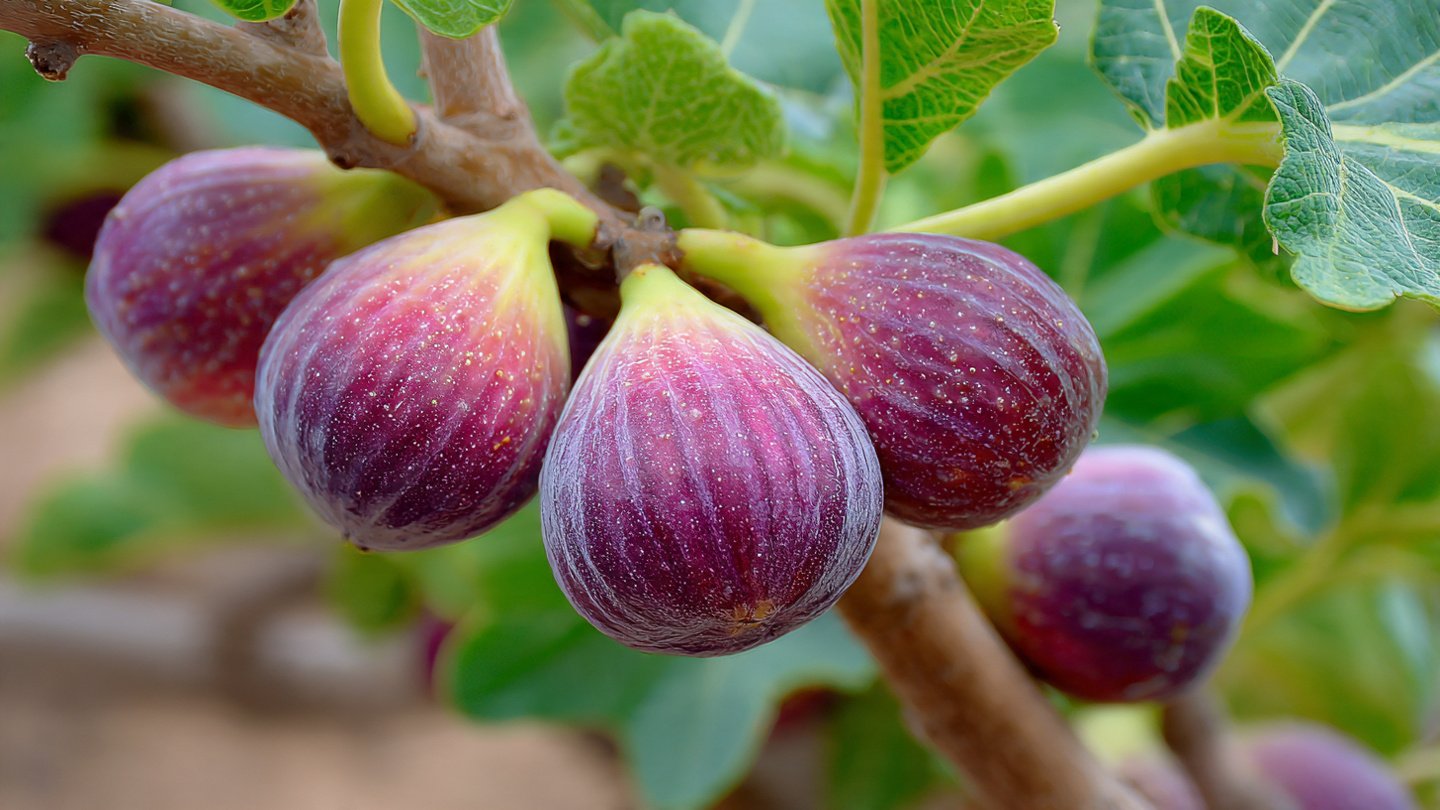
Fig trees (Ficus carica) are beloved for their luscious fruits, shade-providing foliage, and ornamental appeal. However, for gardeners with limited space or those growing figs in containers, keeping fig trees compact while maintaining healthy growth can be a challenge. Without proper care, fig trees can become sprawling and unmanageable, producing smaller fruits and creating maintenance issues. This guide explores the best methods for maintaining compact fig trees, covering pruning techniques, container strategies, fertilization, and overall care to encourage healthy, productive trees.
1. Why Compact Fig Trees Are Beneficial
Maintaining a compact fig tree has several advantages:
- Space Efficiency: Ideal for small gardens, patios, and container gardening.
- Easier Harvesting: Compact trees make it simpler to pick fruits without ladders.
- Better Sunlight Exposure: Pruned and controlled trees allow sunlight to reach all branches, promoting uniform fruit ripening.
- Healthier Growth: Properly maintained trees have better air circulation, reducing the risk of pests and diseases.
- Aesthetic Appeal: A well-shaped fig tree adds ornamental value to the garden or yard.
By controlling tree size, gardeners can enjoy fruit production and beauty without compromising space.
2. Choosing the Right Fig Variety
Selecting a fig variety suited for compact growth is key:
- Dwarf Varieties: ‘Petite Negra’, ‘Little Miss Figgy’, and ‘Celeste’ are naturally smaller and suitable for containers or small gardens.
- Semi-Dwarf Varieties: Produce moderate-sized trees and fruits; easier to manage with pruning.
- Standard Varieties: Large types like ‘Brown Turkey’ require consistent pruning to maintain compact form.
Choosing the right variety reduces maintenance and ensures your fig tree fits your space.
3. Planting Techniques for Compact Growth
How you plant your fig tree affects its long-term size and productivity:
- Container Gardening: Planting figs in pots or containers naturally restricts growth. Use 15–20 inch containers for dwarf varieties and 24–30 inch for larger ones.
- Soil Selection: Use well-draining soil mixed with compost. Good soil supports strong root development and nutrient absorption without promoting excessive vertical growth.
- Initial Pruning: Trim the central leader or main shoot when planting to encourage lateral branching, which promotes bushier growth rather than vertical sprawl.
Starting with proper planting and initial shaping sets the foundation for a manageable, healthy tree.
4. Pruning Techniques for Compact Fig Trees
Pruning is the most important practice for keeping fig trees compact while encouraging healthy growth:
Timing of Pruning:
- Dormant Season Pruning: Prune fig trees in late winter or early spring before new growth begins. Dormant pruning reduces stress and encourages vigorous branching.
- Summer Pruning: Light pruning in summer can remove water sprouts or overly long shoots. Avoid heavy pruning during fruiting to prevent stress.
Types of Pruning:
- Heading Cuts: Shorten branches to a bud or lateral branch to encourage bushy growth.
- Thinning Cuts: Remove overcrowded or crossing branches to improve light penetration and airflow.
- Tip Pruning: Snip the ends of new shoots to control height and promote lateral branching.
Step-by-Step Pruning for Compact Figs:
- Remove dead, damaged, or diseased branches first.
- Cut back overly long branches to maintain desired height (usually 4–6 feet for compact trees).
- Thin crowded branches to reduce shading and improve air circulation.
- Encourage a spreading canopy by cutting central leaders in dwarf varieties.
Regular pruning ensures a balanced, compact tree with strong fruiting branches.
5. Training and Shaping the Tree
Alongside pruning, training helps maintain compact size:
- Cordon Method: Train branches horizontally along a trellis or wire. This encourages fruiting along the trained branches and reduces vertical growth.
- Espalier: Flattening the tree against a wall or fence controls height while promoting lateral fruiting.
- Staking Young Trees: Use stakes to guide the main stem and lateral branches, encouraging a bushy habit.
Training combined with pruning produces an attractive, manageable fig tree ideal for small spaces.
6. Fertilization Practices
Over-fertilization can lead to excessive vegetative growth, resulting in tall, leggy trees with smaller fruits. Use fertilizer strategically:
- Balanced Fertilizer: Apply a balanced NPK fertilizer (10-10-10 or 12-12-12) in early spring.
- Limited Nitrogen: Too much nitrogen promotes leafy growth at the expense of fruiting. Reduce nitrogen during summer and autumn.
- Organic Options: Compost, well-rotted manure, or fish emulsion provide nutrients slowly, supporting steady growth without excessive height.
- Frequency: Feed container trees every 6–8 weeks and in-ground trees 2–3 times per season.
Proper fertilization supports healthy, compact growth with abundant fruits.
7. Watering and Mulching
Water management influences tree size and health:
- Deep, Infrequent Watering: Promotes strong root development rather than shallow, excessive top growth.
- Avoid Waterlogging: Standing water encourages root rot and weak growth.
- Mulching: Apply 2–3 inches of organic mulch around the base to retain moisture, regulate temperature, and suppress weeds.
Balanced watering and mulching contribute to a compact, vigorous fig tree.
8. Container Size Considerations
For figs in containers, choosing the right pot size is critical:
- Small Containers: Naturally limit growth and make pruning easier, but may require more frequent watering.
- Large Containers: Allow greater root growth, potentially leading to larger trees. Pruning becomes more important to maintain size.
- Material: Terracotta allows airflow but dries faster; plastic retains moisture but may require additional drainage.
Container size controls tree growth while ensuring healthy roots and stable fruit production.
9. Sunlight Requirements
Fig trees need sunlight for healthy growth and fruiting:
- Full Sun: At least 6–8 hours daily promotes strong, compact growth and abundant fruit.
- Partial Shade: May result in taller, leggy trees with fewer fruits.
- Container Mobility: Move pots to optimize sunlight exposure throughout the season.
Adequate sunlight encourages compact, bushy growth and larger fruits.
10. Pest and Disease Management
Maintaining compact growth also involves protecting trees from pests and diseases:
- Common Pests: Aphids, scale insects, and spider mites. Use neem oil or insecticidal soap as preventive measures.
- Fungal Diseases: Leaf spot and root rot can occur in overly wet conditions. Proper pruning and airflow prevent fungal infections.
- Monitoring: Regularly inspect leaves and branches, especially in container trees with limited airflow.
Healthy trees respond better to pruning and maintain compact, fruit-bearing form.
11. Seasonal Care Tips
- Spring: Prune, fertilize, and water regularly as growth resumes.
- Summer: Monitor water and trim excessively long shoots. Mulch to retain soil moisture.
- Autumn: Reduce watering as growth slows and prepare the tree for dormancy.
- Winter: Protect container trees from frost or bring indoors if temperatures drop below 10°C (50°F).
Seasonal care ensures year-round health and manageable growth.
12. Advantages of Compact Fig Trees
- Manageable Size: Easier to prune, train, and harvest.
- Higher Fruit Quality: Better sunlight exposure improves fruit sweetness and size.
- Reduced Disease Risk: Open canopy allows air circulation, preventing fungal infections.
- Space-Efficient: Perfect for patios, small gardens, and container cultivation.
- Ornamental Appeal: Maintains a tidy, attractive shape that enhances garden aesthetics.
Compact fig trees combine functionality and beauty, making them ideal for home gardeners.
13. Common Mistakes to Avoid
- Neglecting Pruning: Leads to uncontrolled growth and smaller fruits.
- Over-Fertilization: Excess nitrogen results in tall, leggy trees with fewer flowers.
- Poor Water Management: Too much or too little water can stress the tree.
- Ignoring Sunlight Needs: Insufficient light leads to weak, elongated growth.
- Overcrowding Branches: Dense canopy reduces airflow, increasing disease risk.
Avoiding these mistakes helps maintain compact, productive fig trees.
Conclusion
Keeping fig trees compact while promoting healthy growth requires a combination of careful pruning, proper planting, strategic fertilization, and diligent care. By selecting the right variety, planting in appropriate containers, and maintaining optimal sunlight, water, and soil conditions, gardeners can enjoy manageable, bushy trees that produce high-quality fruits.
Regular pruning, training, and monitoring for pests and diseases ensure that the tree remains compact without compromising productivity. Container cultivation, in particular, allows greater control over growth and size, making figs suitable for urban gardens, patios, and small landscapes.
By following these techniques, fig lovers can cultivate beautiful, fruit-bearing trees that stay healthy, productive, and aesthetically pleasing year after year. Compact fig trees not only save space but also provide delicious fruits and visual appeal, making them a rewarding addition to any garden or container setup.