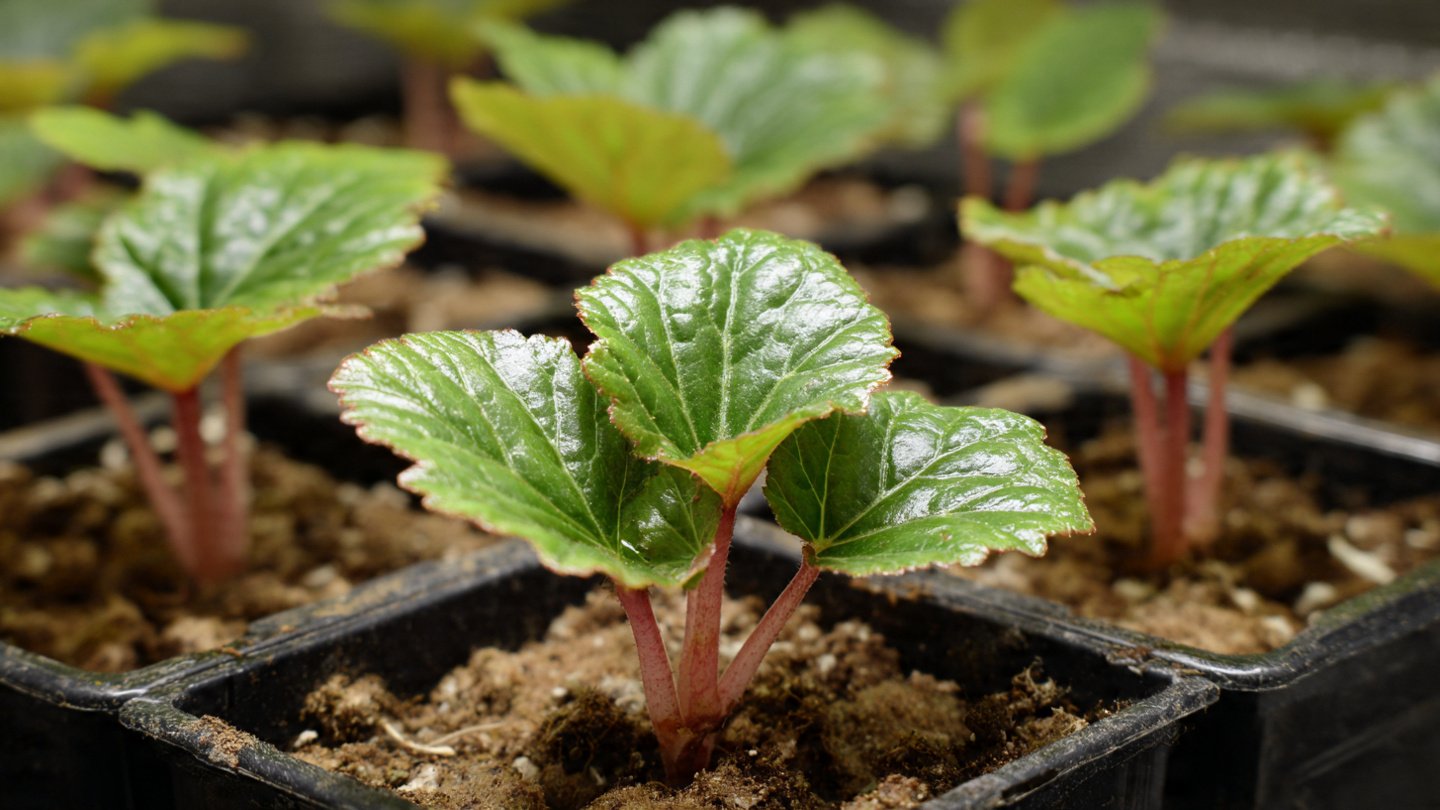
Begonias are among the most popular ornamental plants, admired for their lush foliage and vibrant flowers. Whether grown indoors as houseplants or outdoors in gardens and containers, begonias add elegance and color to any space. However, one of the most common problems gardeners face is leaf curl, a condition that affects plant health, appearance, and growth.
Leaf curling in begonias is not a disease itself but a symptom of stress caused by environmental factors, improper care, or pests. Understanding the causes and applying correct growing practices can help you maintain healthy, thriving begonias with flat, vibrant leaves.
This comprehensive guide explains the best methods to promote strong begonia growth while preventing leaf curl effectively.
Understanding Begonia Leaf Curl
Leaf curl occurs when begonia leaves bend inward, upward, or twist unnaturally. While mild curling may not always indicate serious damage, persistent curling often signals that the plant is struggling.
Common signs include:
- Edges rolling upward or inward
- Wrinkled or distorted leaves
- Yellowing or browning leaf tips
- Stunted growth
Identifying the cause early is key to restoring plant health.
1. Provide the Right Light Conditions
Light is one of the most critical factors in begonia health.
Best Lighting for Begonias
- Bright, indirect light is ideal
- Avoid harsh direct sunlight, which can scorch leaves
- Too little light can weaken growth and cause curling
Indoor Placement Tips
- Place near east- or north-facing windows
- Use sheer curtains to filter strong light
- Rotate pots weekly to ensure even growth
Improper lighting stresses the plant, leading to leaf deformation and poor development.
2. Maintain Proper Watering Practices
Watering mistakes are the leading cause of leaf curl in begonias.
Overwatering
- Causes root rot
- Reduces oxygen availability
- Leads to curling, yellowing, and leaf drop
Underwatering
- Dehydrates leaves
- Causes curling as a survival response
- Results in crispy edges and wilting
Correct Watering Method
- Water only when the top inch of soil feels dry
- Use pots with drainage holes
- Empty excess water from trays
Consistent moisture—not soggy soil—is the key to healthy begonia growth.
3. Improve Humidity Levels
Begonias are native to humid tropical environments. Low humidity is a common cause of leaf curl, especially indoors.
Signs of Low Humidity Stress
- Leaf edges curl inward
- Brown, dry tips
- Slow or stunted growth
How to Increase Humidity
- Place plants on pebble trays with water
- Group plants together
- Use a room humidifier
- Mist lightly (avoid soaking leaves)
Maintaining humidity between 50–70% keeps leaves supple and healthy.
4. Use Well-Draining, Nutrient-Rich Soil
Soil quality directly impacts root health and leaf development.
Ideal Soil Mix for Begonias
- Light, airy, and well-draining
- Rich in organic matter
- Slightly acidic (pH 5.5–6.5)
Recommended Soil Components
- Peat moss or coco coir
- Perlite or sand for drainage
- Compost for nutrients
Heavy or compacted soil suffocates roots and leads to stress-induced leaf curl.
5. Fertilize Correctly and Avoid Overfeeding
Begonias benefit from regular feeding, but excess fertilizer can do more harm than good.
Effects of Overfertilization
- Salt buildup in soil
- Burnt roots
- Leaf curl and browning edges
Best Fertilizing Practice
- Use balanced liquid fertilizer (10-10-10 or 20-20-20)
- Feed every 2–4 weeks during active growth
- Dilute fertilizer to half strength
Flush soil occasionally with plain water to remove excess salts.
6. Maintain Proper Temperature
Begonias thrive in stable, moderate temperatures.
Ideal Temperature Range
- Day: 18–24°C (65–75°F)
- Night: Above 13°C (55°F)
Temperature Stress Causes Curling
- Cold drafts
- Sudden temperature changes
- Heat stress near windows or heaters
Keep begonias away from air conditioners, heaters, and open windows during cold weather.
7. Monitor and Control Pests
Pests are a frequent cause of leaf curling and deformation.
Common Begonia Pests
- Aphids
- Spider mites
- Thrips
- Mealybugs
Signs of Pest Damage
- Curled or distorted leaves
- Sticky residue (honeydew)
- Fine webbing on undersides
Pest Control Methods
- Rinse leaves with water
- Apply neem oil or insecticidal soap
- Remove heavily infested leaves
Early detection prevents long-term damage and helps leaves return to normal growth.
8. Avoid Excessive Pruning and Handling
Begonias are sensitive plants. Rough handling or over-pruning can stress them.
Best Pruning Practices
- Use clean, sharp scissors
- Remove only damaged or diseased leaves
- Avoid pruning during stress periods
Gentle care allows plants to focus energy on healthy leaf development instead of recovery.
9. Repot When Necessary
Root-bound begonias struggle to absorb water and nutrients, leading to leaf curl.
Signs Repotting Is Needed
- Roots circling the pot
- Water running straight through
- Slowed growth
Repotting Tips
- Choose a pot one size larger
- Refresh soil mix
- Avoid disturbing roots excessively
Repot during spring or early summer for best results.
10. Identify and Treat Leaf Curl Early
Early action prevents permanent damage.
Immediate Steps When Leaf Curl Appears
- Check soil moisture
- Inspect for pests
- Adjust light exposure
- Increase humidity
- Review fertilization schedule
Healthy new growth is a sign that corrective measures are working—even if older leaves remain curled.
Preventive Care Routine for Healthy Begonias
Establishing a consistent care routine ensures long-term success.
Weekly Care
- Check soil moisture
- Inspect leaves for pests
- Rotate pots for even light
Monthly Care
- Light feeding
- Clean leaves gently
- Flush soil if fertilizing regularly
Seasonal Care
- Reduce watering in winter
- Increase humidity in dry seasons
- Protect from temperature extremes
Consistency is more important than intensity when caring for begonias.
Benefits of Healthy Begonia Growth
When begonias grow under ideal conditions, they reward gardeners with:
- Flat, vibrant foliage
- Strong stems and roots
- Continuous flowering (in flowering varieties)
- Improved resistance to pests and disease
- Longer plant lifespan
Healthy leaves are the best indicator of overall plant well-being.
Conclusion
Achieving healthy begonia growth while preventing leaf curl is all about balance—balanced watering, light, humidity, nutrition, and care. Leaf curl is your plant’s way of communicating stress, and when addressed promptly, begonias respond quickly and positively.
By understanding the causes of leaf curl and implementing proper growing practices, you can enjoy lush, vibrant begonias that thrive both indoors and outdoors. With attentive care and consistency, your begonias will remain healthy, beautiful, and free from curling leaves season after season.