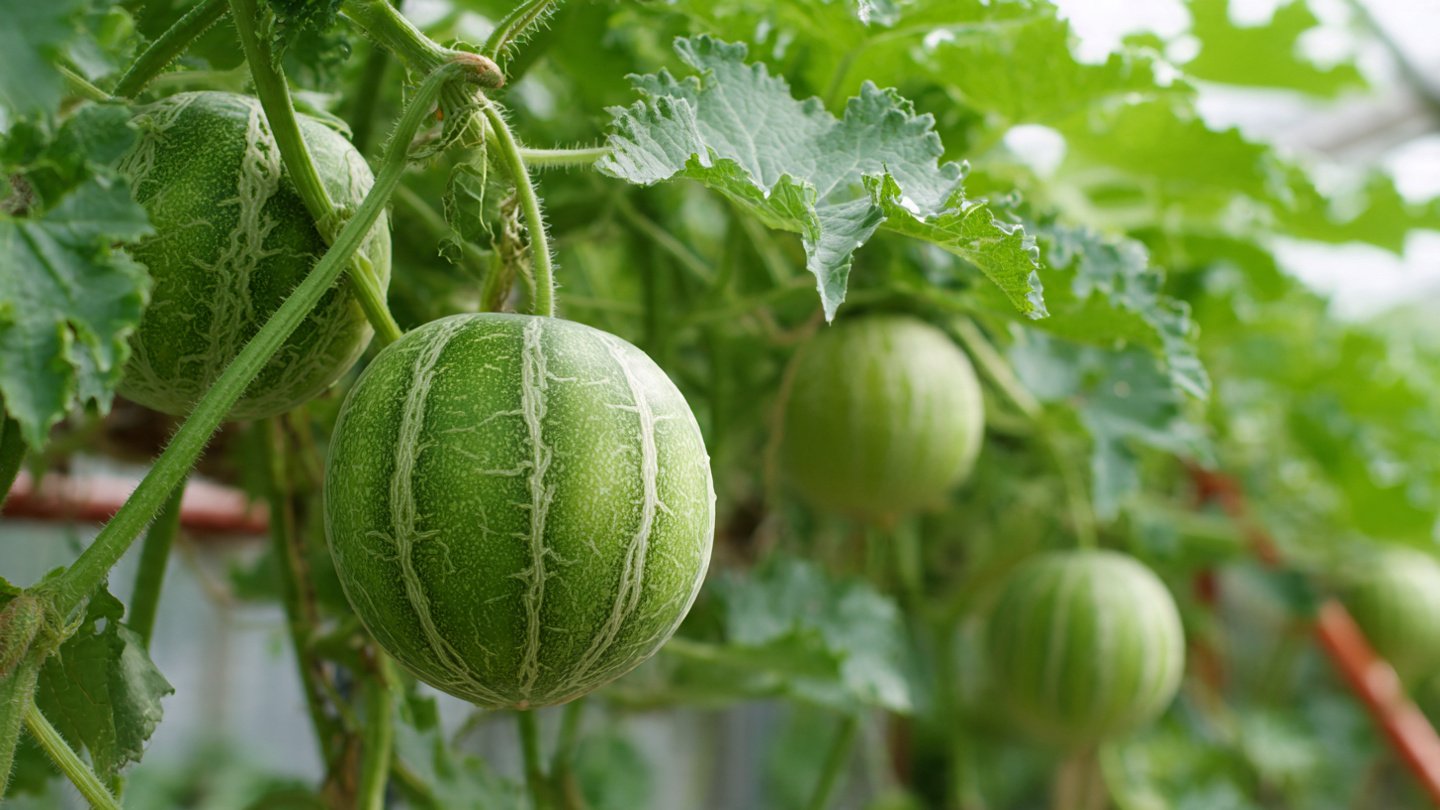
Melons are synonymous with summer—a burst of sweetness and juiciness that refreshes on a hot day. Imagine biting into a homegrown, fragrant, and perfectly ripe melon straight from your garden. Sounds magical, right? The good news is, you don’t need acres of farmland to grow melons. With the right approach, even beginners can enjoy sweet, high-yield melons grown in plastic containers!
Container melon gardening is perfect for urban spaces, balconies, terraces, or small yards. Not only does it maximize space, but it also allows you to control soil quality, water, and sunlight, ensuring your plants thrive. This guide will walk you step-by-step through the process, making melon cultivation accessible and rewarding.
Why Grow Melons in Plastic Containers?
Melons are traditionally considered sprawling plants requiring lots of space. However, growing them in containers has several advantages:
- Space Efficiency: Perfect for balconies, patios, and small gardens.
- Pest and Disease Control: Elevated containers reduce soil-borne pests and fungal infections.
- Soil Management: You can customize soil mix for optimum nutrition and drainage.
- Mobility: Containers can be moved to optimize sunlight or protect from heavy rain.
- Higher Yields: Proper container management can encourage vigorous growth and more fruits.
Choosing the Right Melon Variety
Not all melons thrive in containers. Choosing the right variety is key for beginners aiming for sweet, high-yield harvests:
- Cantaloupe (Muskmelon): Compact vines, fragrant, and sweet fruits.
- Honeydew: Small to medium vines, very sweet, and perfect for container growth.
- Mini or Personal Melons: Varieties like “Sugar Cube” or “Minnesota Midget” produce small but extremely sweet melons and are ideal for limited space.
Choose compact, bush-type, or mini melon varieties for easier container management and higher success rates.
Selecting the Perfect Plastic Container
Container choice can make or break your melon-growing success. Here’s what to consider:
- Size: Use containers 12–18 inches deep and at least 18–24 inches wide for each plant. Bigger containers allow the roots to spread, resulting in sweeter and larger fruits.
- Drainage: Ensure multiple drainage holes at the bottom to prevent waterlogging, which can rot roots.
- Material: Plastic containers are lightweight, affordable, and easy to move. Avoid thin, flimsy containers that may crack under sun exposure.
- Shape: Wide, shallow containers work better than deep, narrow ones because melon roots spread horizontally.
Preparing the Soil Mix
Melons need fertile, well-draining soil to thrive. A rich soil mix encourages growth, fruiting, and sweetness.
Recommended Soil Mix for Melons:
- 40% Garden Soil
- 30% Compost or Vermicompost
- 20% Cocopeat or Perlite for aeration
- 10% Sand for drainage
This combination retains moisture while preventing waterlogging and provides ample nutrients for growth.
Tip: Add a handful of bone meal or organic fertilizer at planting to encourage strong roots and vigorous vines.
Sowing Seeds and Germination
Starting melons from seeds is easy and fun. Follow these steps for high germination rates:
- Pre-soak seeds in water overnight to soften the seed coat.
- Fill your container with prepared soil mix.
- Plant 2–3 seeds per container at 1 inch deep.
- Keep the soil consistently moist but not soggy.
Germination Time: 7–10 days, depending on temperature.
Once seedlings develop 2–3 true leaves, thin them out to leave the strongest plant in each container.
Providing Support for Melon Vines
Melons are vining plants, and support is essential for container growth:
- Trellis Support: Install a vertical trellis using bamboo sticks or wire mesh. Train vines gently to climb, saving space and reducing soil-borne diseases.
- Ground Space: If trellis space is limited, allow vines to spread over the container surface. Place straw or mulch beneath fruits to prevent soil contact and rot.
- Tie Gently: Use soft strings or cloth strips to tie heavy vines to the trellis. Avoid tight knots that can damage the stems.
Watering and Moisture Management
Proper watering is crucial for juicy, sweet melons. Both overwatering and underwatering can reduce fruit quality.
- Frequency: Water deeply 2–3 times per week in hot weather, and once a week in cooler temperatures.
- Technique: Water at the base of the plant to avoid wetting the leaves, which can lead to fungal diseases.
- Mulching: Cover soil with straw, dried leaves, or cocopeat to retain moisture, regulate temperature, and prevent weeds.
Consistent moisture encourages fruit development and sweetness. Stress from irregular watering may result in bitter or small fruits.
Fertilization for Maximum Yield
Melons are heavy feeders. Fertilize strategically for optimal growth and sweetness:
- Early Growth: Use a nitrogen-rich fertilizer to promote vine and leaf growth.
- Flowering Stage: Switch to a phosphorus and potassium-rich fertilizer to encourage flowers and fruit set.
- Fruit Development: Apply a balanced organic fertilizer weekly or use compost tea to boost sugar content and fruit size.
Tip: Avoid excessive nitrogen during fruiting, as it promotes leafy growth at the expense of fruit sweetness.
Pollination Tips
Melons have male and female flowers, and proper pollination is necessary for fruit set:
- Outdoors, insects like bees usually handle pollination.
- For indoor or balcony gardens with fewer pollinators, hand pollination ensures a higher yield.
- Use a small brush or cotton swab to transfer pollen from male flowers to female flowers.
- Pollinate early in the morning for best results.
Proper pollination leads to larger, sweeter melons.
Pruning and Care
Pruning helps focus the plant’s energy on producing sweet fruits rather than excessive vine growth:
- Remove weak, yellow, or dead leaves.
- Pinch off side shoots to encourage the main vine to grow stronger.
- Limit each plant to 3–4 main fruits for maximum size and sweetness.
These small efforts result in larger, juicier melons with less labor.
Harvesting Sweet, High-Yield Melons
Knowing when to harvest is key to enjoy peak flavor:
- Melons are ready when the fruit skin changes color slightly, the tendril closest to the fruit dries, and the fruit emits a sweet fragrance.
- Gently twist or cut the melon from the vine to avoid damage.
- Harvesting regularly encourages the plant to produce more fruits.
- Avoid leaving overripe fruits on the vine, as they can reduce further fruiting.
Pro Tip: Slightly underripe melons can continue ripening off the vine, but full sweetness develops best on the plant.
Common Challenges and Solutions
Even beginner gardeners can face minor issues, but these are easy to manage:
- Powdery Mildew: Maintain airflow and avoid wetting leaves. Apply neem oil if needed.
- Fruit Rot: Use mulch under fruits and avoid waterlogging.
- Pests: Aphids, whiteflies, and beetles can be controlled using organic sprays like neem or garlic water.
- Poor Flowering: Ensure full sunlight and balanced fertilization.
By addressing problems early, your melons will thrive with minimal effort.
Benefits of Container-Grown Melons
Growing melons in containers is perfect for beginners because it:
- Simplifies Care: Easier to monitor watering, soil health, and plant growth.
- Reduces Labor: Less weeding, digging, and pest management compared to traditional gardens.
- Maximizes Flavor: Controlled soil and consistent watering produce sweeter fruits.
- Space-Saving: Ideal for urban gardeners with limited outdoor space.
- Educational and Fun: Watching a melon grow from seed to fruit is rewarding for beginners and children alike.
Final Tips for Maximum Success
- Rotate containers occasionally for even sunlight exposure.
- Encourage beneficial insects to aid natural pollination.
- Use self-watering containers for easy, stress-free irrigation.
- Pair with companion plants like marigold or basil to naturally repel pests.
- Keep a growth journal to track watering, fertilization, and fruiting patterns for future success.
Conclusion
Growing sweet, high-yield melons in plastic containers may sound magical, but with the right technique, it’s entirely achievable—even for beginners. By combining fertile soil, proper container size, vertical support, strategic watering, and minimal pruning, you can enjoy a bountiful harvest of juicy, fragrant melons right at home.
The beauty of this method is its simplicity. Minimal effort, smart care, and consistent attention to sunlight, water, and nutrition allow your melon plants to flourish. Before you know it, you’ll have a lush container garden brimming with sweet, succulent fruits, ready to delight your family and friends.
Start your melon-growing journey today, and experience the magic of homegrown sweetness!