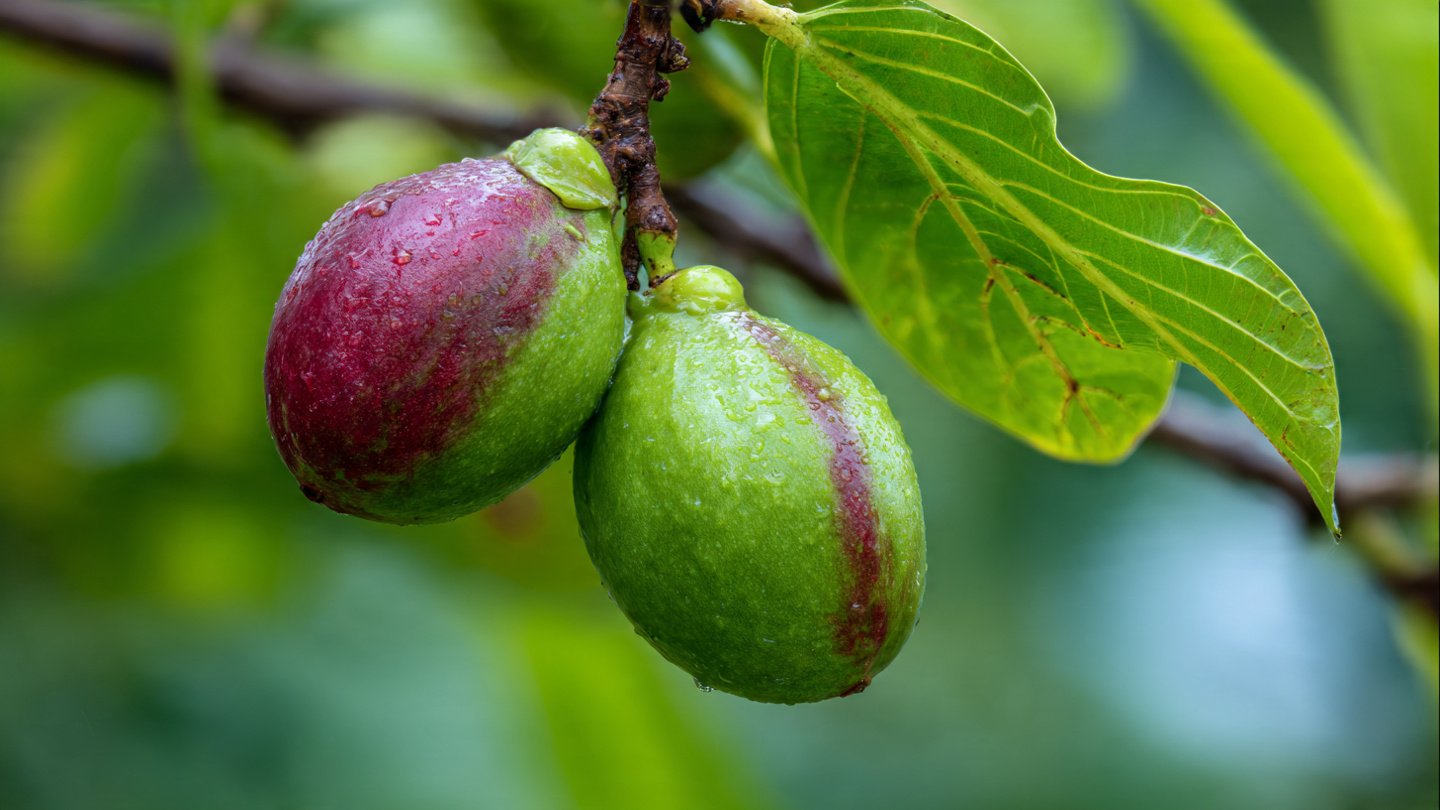
Guava is one of the most rewarding fruit trees to grow, but many gardeners face the same frustration: slow growth, delayed fruiting, and inconsistent yields. What if there were a way to speed up fruiting, increase fruit size, and improve overall tree health—using a completely natural method?
Enter Banana Fusion Grafting, an innovative yet surprisingly simple technique that gardeners are quietly using to push guava trees into faster, heavier production. This method combines traditional grafting knowledge with the natural growth-boosting properties of banana plants—without chemicals or synthetic fertilizers.
In this ultimate guide, you’ll learn what Banana Fusion Grafting is, why it works, and exactly how to do it at home for healthier, more productive guava trees.
What Is Banana Fusion Grafting?
Banana Fusion Grafting is a natural grafting technique where a young guava plant or branch is temporarily fused with a living banana stem. The banana plant acts as a biological growth accelerator, supplying moisture, nutrients, hormones, and microbial activity that stimulate faster establishment and fruiting in guava.
Unlike permanent grafts, this fusion is often temporary, lasting only until the guava plant gains strength and momentum.
Why Banana Plants Are Perfect Growth Boosters
Banana plants are biological powerhouses. Their pseudostems are packed with:
- Natural growth hormones
- High potassium and nitrogen
- Constant water circulation
- Beneficial microorganisms
- Rapid cell regeneration capacity
When a guava plant is fused with a banana stem, it taps into this rich biological system, resulting in accelerated growth and earlier flowering.
Key Benefits of Banana Fusion Grafting for Guava
1. Faster Fruiting
Guava trees grown from seed often take 3–5 years to fruit. With Banana Fusion Grafting, fruiting can begin 1–2 years earlier.
2. Heavier and Larger Fruits
Enhanced nutrient flow leads to:
- Bigger guavas
- Better flesh density
- Improved sweetness and aroma
3. Stronger Root and Branch Development
The guava develops:
- Thicker stems
- More flowering nodes
- Stronger disease resistance
4. 100% Chemical-Free
No synthetic fertilizers or hormones—only natural plant interaction.
5. Ideal for Home Gardeners
This technique is:
- Low-cost
- Beginner-friendly
- Perfect for small gardens or backyards
Best Conditions for Banana Fusion Grafting
To get the best results, timing and plant selection matter.
Ideal Climate
- Tropical and subtropical regions
- Warm temperatures (20–35°C)
- High humidity works best
Best Season
- Late spring
- Early monsoon
- Warm, active growth periods
Best Banana Variety
- Local banana varieties with thick pseudostems
- Healthy, disease-free plants
- Actively growing but not flowering
Best Guava Plant
- 6–12 months old sapling or
- Young flexible branch from a mature tree
- Pencil-thick stem works best
Tools You’ll Need
- Clean sharp knife or grafting blade
- Soft grafting tape or cloth strip
- Gardening gloves
- Rubbing alcohol (for tool sterilization)
That’s it—no chemicals, no fertilizers.
Step-by-Step Banana Fusion Grafting Method
Step 1: Prepare the Banana Stem
Choose a healthy banana plant. On the side of the pseudostem, make a vertical slit about 5–7 cm deep.
The cut should be clean but not too wide—just enough to insert the guava stem.
Step 2: Prepare the Guava Stem
Select a young guava stem or sapling. Make a slanted cut at the base so it fits snugly into the banana stem slit.
Ensure:
- Fresh green tissue is exposed
- No crushing or tearing
Step 3: Fuse the Plants
Insert the guava stem into the banana stem slit so the cambium layers touch.
This is critical—the cambium is where nutrient exchange happens.
Step 4: Secure the Graft
Wrap the joint firmly using:
- Soft cloth
- Grafting tape
- Natural fiber string
Do not overtighten. The goal is stability without blocking sap flow.
Step 5: Provide Shade and Moisture
- Protect from direct harsh sunlight
- Keep soil evenly moist
- Do not water directly on the graft joint
What Happens After Grafting?
First 7–14 Days
- Guava stem stays green and firm
- Banana stem supplies moisture and nutrients
3–4 Weeks
- New leaf growth appears on guava
- Fusion becomes stable
6–8 Weeks
- Guava plant gains strong growth momentum
- Graft can be loosened or removed if temporary
At this stage, the guava no longer depends on the banana plant.
Should You Remove the Banana Plant Later?
You have two options:
Option 1: Temporary Fusion (Recommended)
Once the guava is strong:
- Carefully remove the guava stem
- Plant it in soil
- The growth boost remains permanent
Option 2: Let the Banana Die Naturally
After fruiting, banana plants naturally die back. The guava remains unaffected.
Common Mistakes to Avoid
- Using weak or diseased banana plants
- Making uneven or crushed cuts
- Grafting during cold weather
- Overwatering the graft joint
- Exposing graft to strong sun or wind
Avoid these, and success rates increase dramatically.
How Banana Fusion Grafting Improves Fruit Quality
Gardeners using this method report:
- Higher sugar content
- Better aroma
- Thicker pulp
- Reduced fruit drop
This happens because early growth acceleration improves the tree’s entire life cycle, not just initial growth.
Is Banana Fusion Grafting Scientifically Valid?
While not widely commercialized, the technique aligns with proven principles:
- Plant hormone transfer
- Microbial synergy
- Enhanced nutrient uptake
- Stress reduction during early growth
Traditional farmers have used similar plant-to-plant support methods for decades.
Who Should Try This Method?
This technique is perfect for:
- Home gardeners
- Organic growers
- Small orchard owners
- Anyone wanting faster results without chemicals
It’s especially useful where soil fertility is low or growing seasons are short.
Final Thoughts
Banana Fusion Grafting is a simple yet powerful natural technique that can dramatically change how your guava trees grow and produce fruit. By harnessing the biological strength of banana plants, you can achieve earlier harvests, heavier yields, and healthier trees—all without synthetic inputs.
If you’re looking for a cost-free, eco-friendly, and highly effective way to boost your guava production, this surprising technique is absolutely worth trying.
Sometimes, the best gardening secrets are hiding in plain sight—right in your backyard.
If you’d like, I can also: