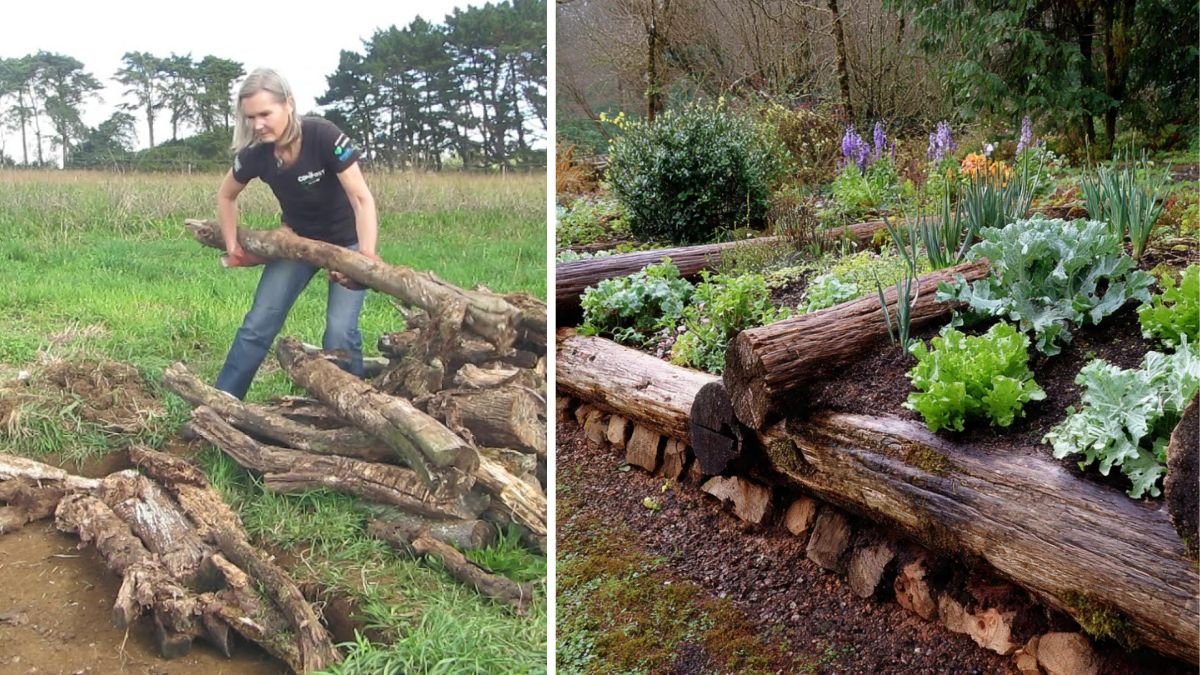
Winter is often seen as a dormant period in the garden, a time when frost blankets the soil and plants slow their growth. But for gardeners with an eye on the long-term health and productivity of their garden beds, winter is the perfect opportunity to prepare and enrich the soil for the coming growing season. One surprisingly effective technique that many gardeners overlook is burying old logs in garden beds. This simple, natural practice provides a range of benefits that can enhance soil fertility, moisture retention, and plant health—turning even the coldest months into a season of growth.
The Concept Behind Burying Logs
Burying logs in garden beds is rooted in the principles of permaculture and organic gardening. Essentially, this practice involves placing decomposing wood—such as old tree branches, logs, or stumps—beneath or within garden beds. Over time, the wood breaks down, releasing nutrients, improving soil structure, and creating a living ecosystem underground.
This method is sometimes referred to as “trench composting” or “hugelkultur” (a German technique where mounds of logs, branches, and other organic matter are buried to form raised garden beds). While hugelkultur often creates elevated beds, simply burying logs within existing beds can achieve many of the same benefits in a more subtle, space-efficient way.
Why Winter Is the Best Time
Winter is ideal for burying old logs for several reasons:
- Slower Decomposition Means Long-Term Benefits
During winter, the decomposition process is slower due to cooler temperatures. This gradual breakdown allows the logs to provide nutrients and moisture over an extended period, rather than all at once. - Less Disruption to Active Plants
Most plants are dormant in winter, which means burying logs won’t disturb roots or growing crops. You can prepare your beds now and reap the rewards in spring and summer. - Improved Moisture Retention for Spring
As the logs begin to absorb water over winter, they act like natural sponges, helping to retain moisture in your garden beds when spring rains or irrigation begin.
The Benefits of Burying Old Logs
Burying logs isn’t just a quirky gardening trick—it has measurable impacts on soil and plant health. Here’s how:
1. Nutrient-Rich Soil
As logs decompose, they release essential nutrients like nitrogen, phosphorus, potassium, calcium, and magnesium into the surrounding soil. While wood is primarily carbon, the decomposition process stimulates soil microbes, which in turn accelerate nutrient cycling.
Beneficial fungi and bacteria colonize the logs, breaking down the cellulose and lignin in the wood. These microbes release nutrients gradually, creating a slow-release fertilization effect that feeds plants over multiple seasons.
2. Improved Soil Structure and Aeration
Logs buried in soil create air pockets as they decompose. These pockets improve soil structure, allowing roots to penetrate more easily and enhancing oxygen availability. The result is friable, loose soil that drains well while retaining enough moisture for healthy plant growth.
Additionally, decomposing wood produces humus, the dark, nutrient-rich component of soil. Humus improves water retention, buffers soil pH, and encourages beneficial microbial life, all of which are vital for robust plant growth.
3. Enhanced Microbial Life
Burying logs effectively “seeds” your soil with microbes. Fungi, bacteria, and other soil organisms thrive on the carbon-rich environment provided by the logs. These microbes help suppress plant pathogens, break down organic matter more efficiently, and support symbiotic relationships with plant roots, such as mycorrhizal fungi, which enhance nutrient uptake.
4. Moisture Regulation
One of the key challenges in garden management is maintaining consistent soil moisture. Buried logs act like underground sponges, soaking up water during wet periods and releasing it slowly during dry spells. This natural moisture regulation can be especially beneficial in areas with fluctuating rainfall or limited irrigation.
5. Encouragement of Root Growth
As logs decompose, they create tunnels and softer zones in the soil. Plant roots exploit these spaces, growing deeper and stronger. Deep roots access more nutrients, improve plant stability, and enhance drought tolerance. Over time, your garden beds become more resilient and productive.
6. Waste Reduction and Sustainability
Burying old logs is also an environmentally responsible way to recycle yard waste. Rather than sending old branches and logs to a landfill or burning them, you can transform them into valuable soil amendments. This approach aligns with sustainable gardening practices, reducing carbon emissions and enhancing your garden’s ecosystem.
How to Bury Logs in Your Garden Beds
Implementing this technique is simple but requires some planning to maximize benefits:
1. Choose the Right Logs
- Avoid treated or painted wood: Chemicals can leach into the soil and harm plants.
- Use hardwoods when possible: Oak, maple, and hickory decompose slowly, providing long-term benefits. Softwoods like pine decompose faster but are still effective.
- Size matters: Large logs provide long-lasting benefits, while smaller branches decompose more quickly. A mix of sizes works well.
2. Prepare the Site
- Clear the area of debris or actively growing plants.
- Dig trenches or holes about 6–12 inches deep to accommodate the logs. For hugelkultur-style beds, you can layer logs and branches to create raised mounds.
3. Add Organic Matter
Before covering the logs, consider layering in compost, leaves, or grass clippings. This adds extra nutrients and accelerates microbial activity around the wood.
4. Cover and Mulch
- Cover the logs with the excavated soil, ensuring they are fully buried.
- Add a layer of mulch on top to protect the soil from erosion, insulate it over winter, and retain moisture.
5. Plan for Future Planting
- After winter, your beds will be richer, moister, and teeming with beneficial microbes.
- Plant directly into the prepared beds, or use the area as part of your crop rotation. Over time, you may notice higher yields and healthier plants.
Tips for Success
- Start small: Test burying logs in one section before expanding to larger areas.
- Mix with compost: Enhances nutrient diversity and encourages rapid microbial colonization.
- Avoid nitrogen-starving plants initially: Fresh logs can temporarily tie up nitrogen during early decomposition. Pair them with nitrogen-fixing plants like beans or peas.
- Patience is key: Benefits accumulate gradually, often becoming most noticeable after one or two seasons.
Real-Life Examples
Gardeners who practice burying logs report several positive outcomes:
- Increased earthworm populations, which further aerate soil and improve fertility.
- Reduced need for synthetic fertilizers due to improved nutrient availability.
- Enhanced moisture retention, leading to stronger, more drought-tolerant plants.
- Improved soil structure and texture, making gardening easier and more productive.
Whether you’re growing vegetables, flowers, or shrubs, integrating buried logs into your beds can transform your garden into a thriving, self-sustaining ecosystem.
Final Thoughts
Winter is more than just a dormant season—it’s an opportunity to prepare your garden for the year ahead. Burying old logs in garden beds is a simple, cost-effective, and sustainable practice that benefits your soil, plants, and the environment. By enriching microbial life, improving soil structure, retaining moisture, and providing long-term nutrients, buried logs act as a hidden ally for any gardener.
So instead of letting old branches and logs sit unused or go to waste, consider giving them a second life beneath your garden beds. With a little effort this winter, you can set the stage for healthier plants, richer soil, and a more productive garden in the seasons to come.
Your garden may sleep through winter, but beneath the surface, a quiet transformation is underway—powered by the humble log.